

Beirut: Lebanon’s Health Ministry says 4386 people have been killed and 12407 injured in Israeli attacks across the country since 2 March, as violence continues in southern Lebanon.
The ministry released the latest figures on Thursday, covering casualties recorded between 2 March and 17 September. The figures include people killed and injured in attacks during the period, according to Lebanon’s National News Agency.
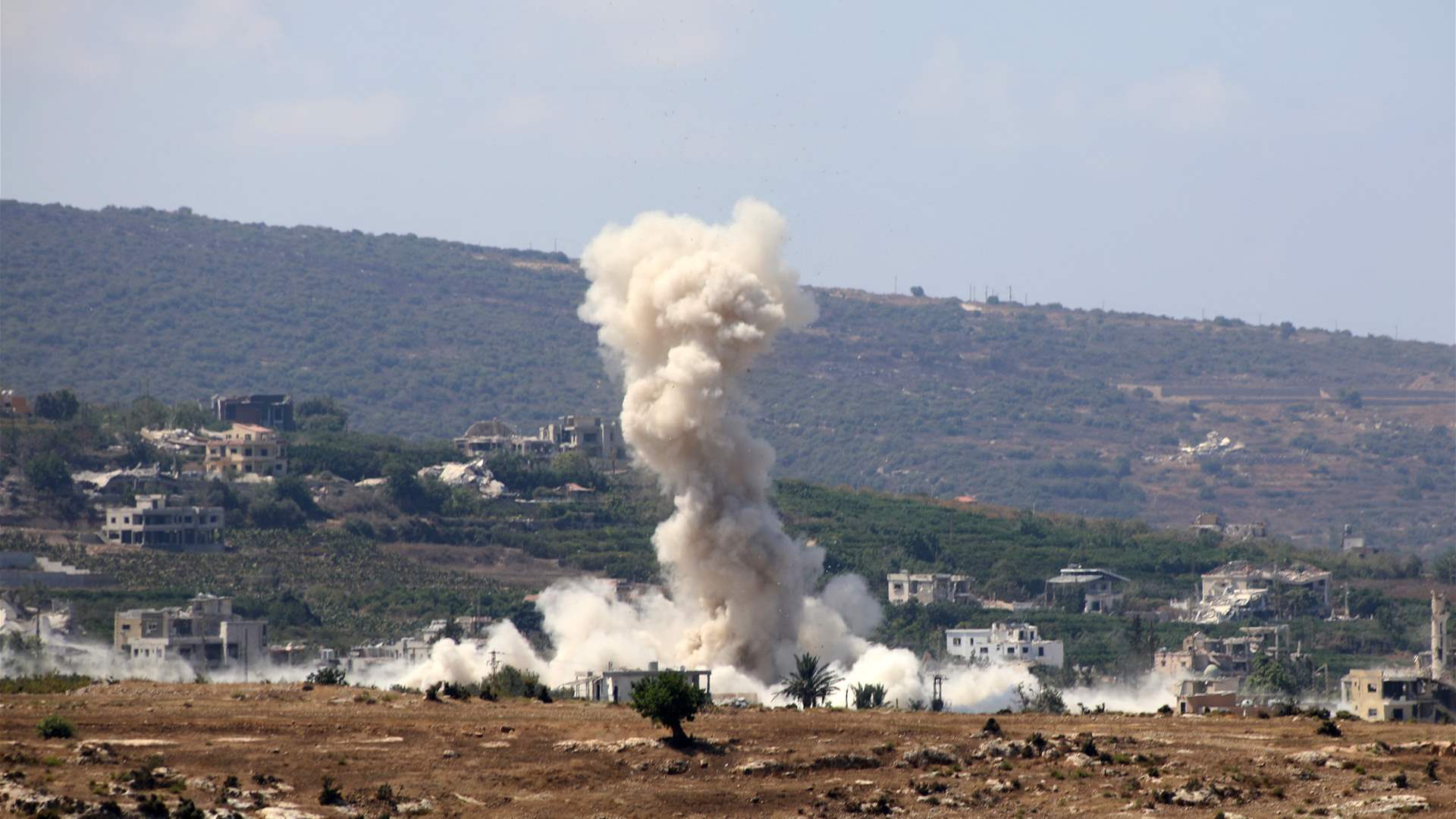
Israeli forces continued operations in several areas of southern Lebanon on Thursday, with reported airstrikes, artillery fire, explosions and other military activity in the districts of Tyre, Nabatieh, Marjayoun and Bint Jbeil. Israeli drones were also reported over parts of Beirut and eastern Lebanon.
The latest casualties come despite a US sponsored framework agreement signed by Lebanon and Israel in Washington on 26 June. The agreement provides for a gradual Israeli withdrawal from Lebanese territory and the deployment of the Lebanese army in areas vacated by Israeli forces.
Lebanese President Joseph Aoun said in Paris on Thursday that continued Israeli attacks and the presence of Israeli forces in parts of Lebanese territory were obstructing implementation of the framework agreement. He said Lebanon had fulfilled its commitments under the arrangement.
Israel has continued military activity in southern Lebanon despite the agreement, while Beirut has called for the withdrawal of Israeli forces and greater deployment of the Lebanese army in the south.
The latest ministry figures also show the broader human cost of the conflict. Since 8 October 2023, Lebanon’s Health Ministry has recorded 8953 deaths and 30643 injuries linked to Israeli attacks.
The figures are issued by Lebanon’s Health Ministry and are presented as official casualty counts. They do not by themselves establish the circumstances of individual deaths or determine legal responsibility for specific incidents.
The continuing casualties indicate that the security arrangements intended to reduce fighting in southern Lebanon have yet to end violence on the ground, leaving implementation of the framework agreement a central issue for Beirut and its international partners.