Amir Shahzad | Peshawar Bureau | QOM News
Peshawar: Political tensions are running high in Khyber Pakhtunkhwa (KP), where the Pakistan Tehreek e Insaf (PTI) government was removed after Chief Minister Sohail Afridi, whose party held a two thirds majority in the provincial assembly, launched a long march towards Islamabad.
PTI had governed the province since 2013.
The march began in Lakki Marwat and passed through several districts before reaching Mardan on October 11. Several rounds of negotiations took place between PTI and the federal government, but a deadlock persisted over various issues.
Federal Interior Minister Mohsin Naqvi advised the PTI leadership to postpone the march, warning that no crowd would be allowed to enter Islamabad this time.
Following the failure of negotiations, the federal government decided, on the prime minister’s advice, to impose governor’s rule and an emergency in KP.
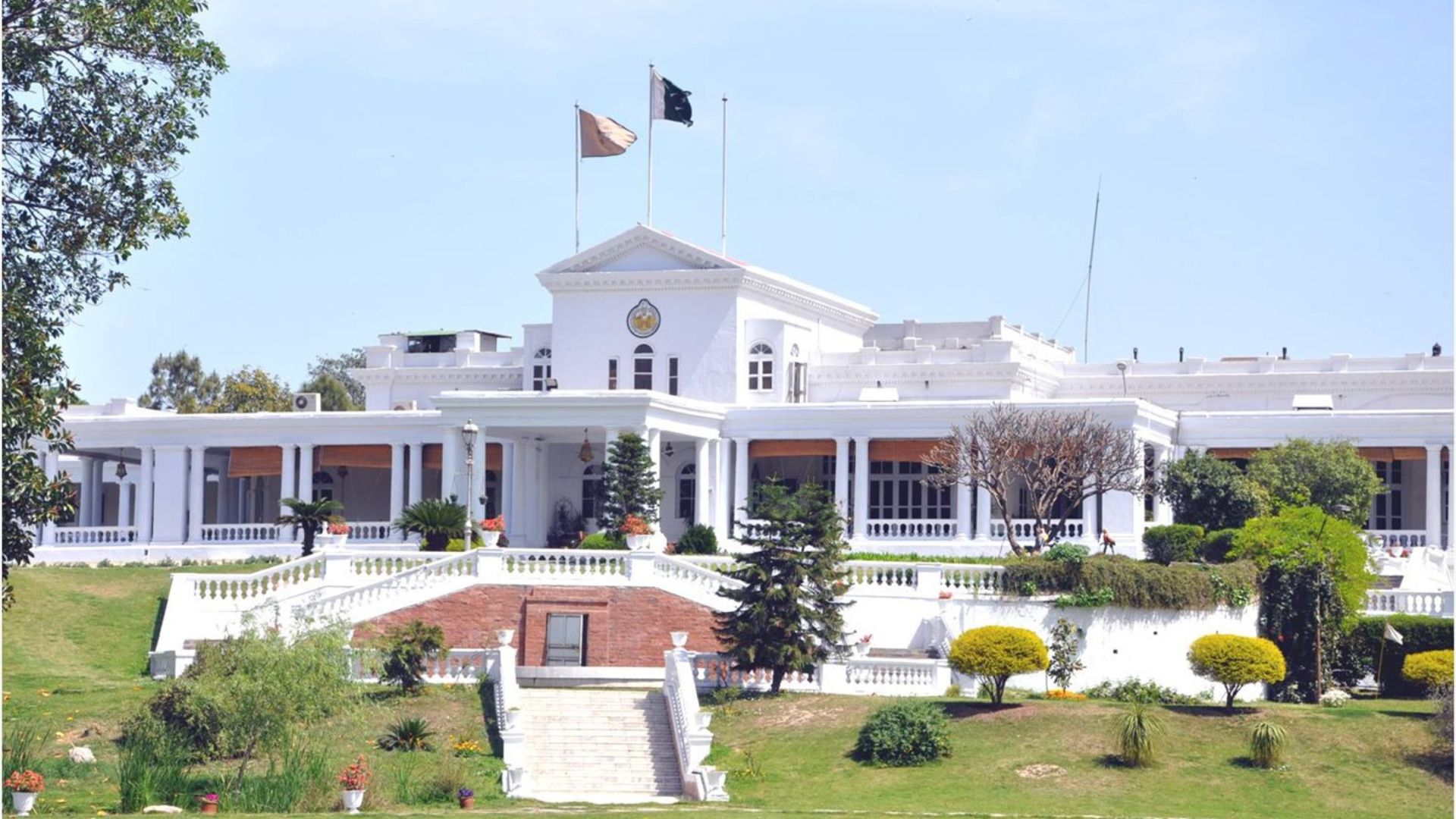
The president subsequently gave effect to the decision. Sohail Afridi was placed in protective custody at the Chief Minister’s House, while responsibility for the province’s administration was handed to Governor Faisal Karim Kundi.
An 11 member advisory council, comprising technocrats from different fields and headed by Kundi, has been formed to oversee the province’s governmental and administrative affairs.
A separate regional development council structure has also been introduced for 12 designated districts affected by unrest and underdevelopment.
These comprise eight tribal districts, including North and South Waziristan, Khyber, Bajaur, Mohmand, Kurram and Orakzai, alongside Bannu, Lakki Marwat, Tank and Dera Ismail Khan.
Two tribal elders are being selected from each district through jirgas and consultations, bringing the council’s proposed membership to 24.
The additional chief secretary will head the council or its secretariat as administrator, assisted by an additional inspector general of police and representatives of other departments.
The council’s primary purpose is to bypass conventional bureaucratic channels to strengthen security, engage with local communities, convey their concerns directly to the authorities and accelerate development projects.
Governor Kundi and his team have been given three months to complete their initial groundwork. The coming days will indicate how effectively the new arrangement serves the public and how it compares with the previous system.
However, following this major administrative change, speculation is growing about another possible development: the replacement of Governor Kundi himself.
Sources familiar with the matter claim Kundi could soon be removed from office. Rumours circulating on social media in recent days have suggested that former interior minister Aftab Ahmad Khan Sherpao could become the next governor. The sources cited in this report, however, dismiss those claims.
According to these sources, Jamiat Ulema e Islam (JUI F) chief Maulana Fazlur Rehman has reservations about Kundi continuing as governor and wants the position allocated to his party.
They say he has raised the demand with the federal government on several occasions and is seeking the return of his close relative, former governor Haji Ghulam Ali.
Speaking at an event today, Interior Minister Mohsin Naqvi said the head of a political party was deeply unhappy after failing to secure a role in the administration under governor’s rule or obtain the governorship. He did not name the political leader.
Separately, during a news conference in Islamabad a few days earlier, senior politician Faisal Vawda warned Kundi that he, too, could be replaced if he failed to demonstrate his performance within three months.
Sources claim Kundi is facing mounting pressure and that a decision on his future could come soon. They further claim that talks with the Pakistan Peoples Party (PPP) and the Pakistan Muslim League Nawaz (PMLN) have concluded over allocating the governorship to Fazlur Rehman’s party.