
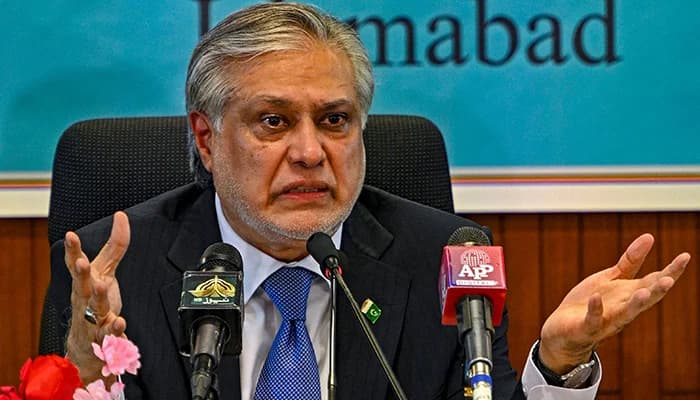
Islamabad: Deputy Prime Minister and FM Ishaq Dar has cautioned India against using shared water resources as a political tool, warning that any attempt to deny Pakistan its rightfully allocated water under the Indus Waters Treaty (IWT) would trigger "profound consequences for regional peace and security". Addressing a seminar on 'The Indus Waters Treaty: South Asian Security at the Crossroads' organised virtually by the Embassy of Pakistan in Washington DC, Dar asserted that Pakistan will firmly defend its rights and interests under international law.
The minister stressed that the 1960 accord remains "valid, binding and fully operative" despite India’s decision in April 2025 to unilaterally place its treaty obligations in abeyance following an attack on tourists in Pahalgam. Dar pointed out that the treaty contains no provisions allowing either signee to unilaterally suspend its commitments or dissolve international legal obligations through political declarations. He warned that setting aside such solemn agreements sets a dangerous precedent for international relations and undermines trust in global legal structures.
Highlighting the vital nature of the river system, Dar described the Indus Basin as an indispensable lifeline for over 250 million Pakistanis, directly impacting national food security, agriculture, and economic stability. He noted that the IWT had successfully survived decades of military conflicts and political strain because both nations historically recognised that water management must remain insulated from broader diplomatic friction.
Dar urged a return to constructive dialogue and technical cooperation rather than unilateral action. He proposed three core principles moving forward: strictly implementing the treaty in letter and spirit, resolving all disputes exclusively through established legal channels such as the International Court of Arbitration, and strengthening transparent data-sharing and technical engagement to tackle mounting climate pressures.