
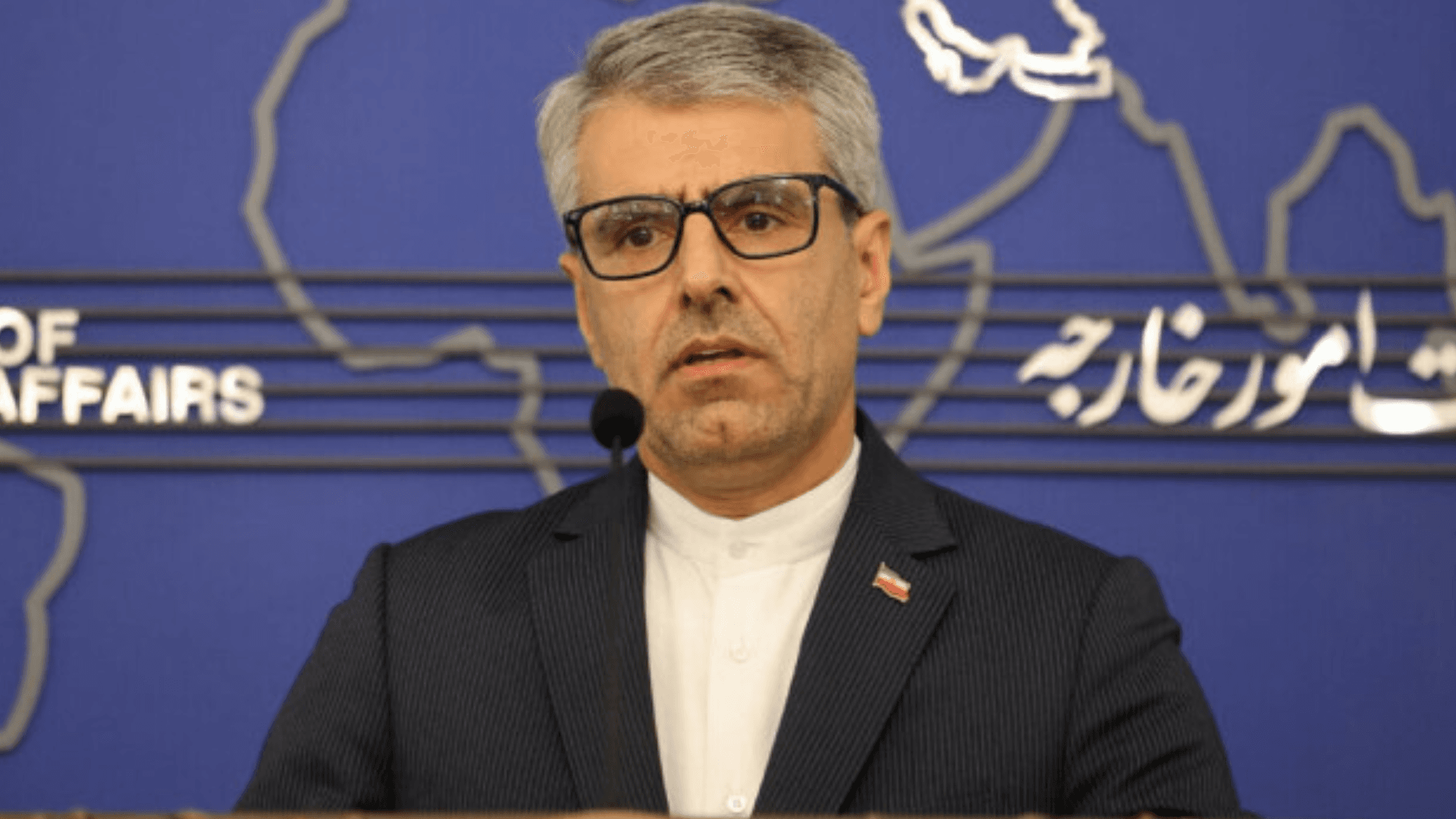
Tehran: Iran’s Foreign Ministry warned on Monday that any military presence or operational participation by South Korea in the Persian Gulf and the Strait of Hormuz would be viewed as direct support for US aggression and lead to serious consequences.
Iranian Foreign Ministry spokesperson Esmaeil Baghaei stated on X that Tehran places great importance on its 64-year historical relationship with Seoul. However, he warned that maintaining a military presence in the region during the ongoing conflict would make any sovereign nation complicit in American actions against the Iranian people. Baghaei asserted that the current shipping disruptions were initiated by US-Israel strikes on Tehran on February 28, accusing Washington of shifting the financial and logistical costs of the war onto the global community.
The warning comes alongside plans by Tehran to establish a new restricted maritime zone. Secretary of Iran's Supreme National Security Council Mohsin Rezaei announced on Sunday that an exclusion zone covering parts of the Gulf and the Strait of Hormuz would be established in the coming days. According to Rezaei, any vessel entering the designated zone will be added to an Iranian sanctions list.
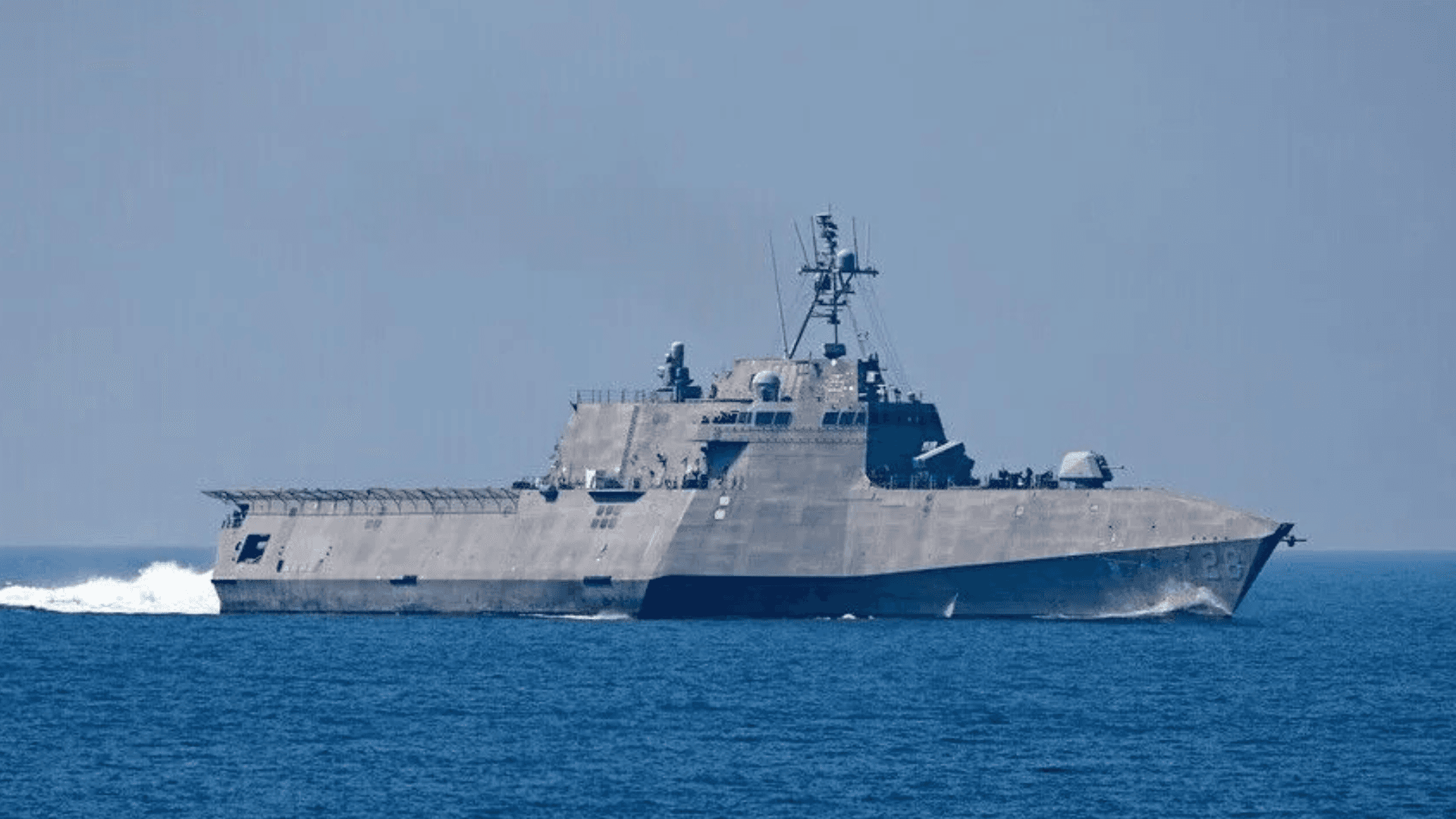
The maritime escalation follows 6 months of conflict initiated by US-Israeli strikes, which has reached a diplomatic stalemate following the collapse of a preliminary June ceasefire. Military engagements resumed recently, with US Central Command reporting strikes on 3 Iranian oil tankers after the Islamic Revolutionary Guard Corps (IRGC) launched ballistic missiles at two US Navy ships. Parliament Speaker Mohammad Bagher Ghalibaf warned that any future attacks on Iranian interests would meet a faster and heavier response.
Concurrently, Tehran is attempting to manage severe domestic economic pressure resulting from the US naval blockade, which aims to throttle Iranian crude exports. Essential infrastructure, including the Kharg Island export hub handler of 90 per cent of Iran's pre-war crude exports has reportedly been targeted around 550 times in recent months. Despite the strikes, Iranian Oil Minister Mohsen Paknejad confirmed the terminal remains operational. US officials claim naval operations are maintaining transit flows, stating two-thirds of pre-conflict volumes are moving through the strait and alternative pipelines.
To offset the mounting economic toll, Iranian officials stated that the government's "Economic War Headquarters" is accelerating fiscal reforms to manage inflation, currency instability, and domestic supply disruptions. Iranian Economy Minister Ali Madanizadeh affirmed that foreign economic pressure would not force Tehran to alter its strategic decisions.