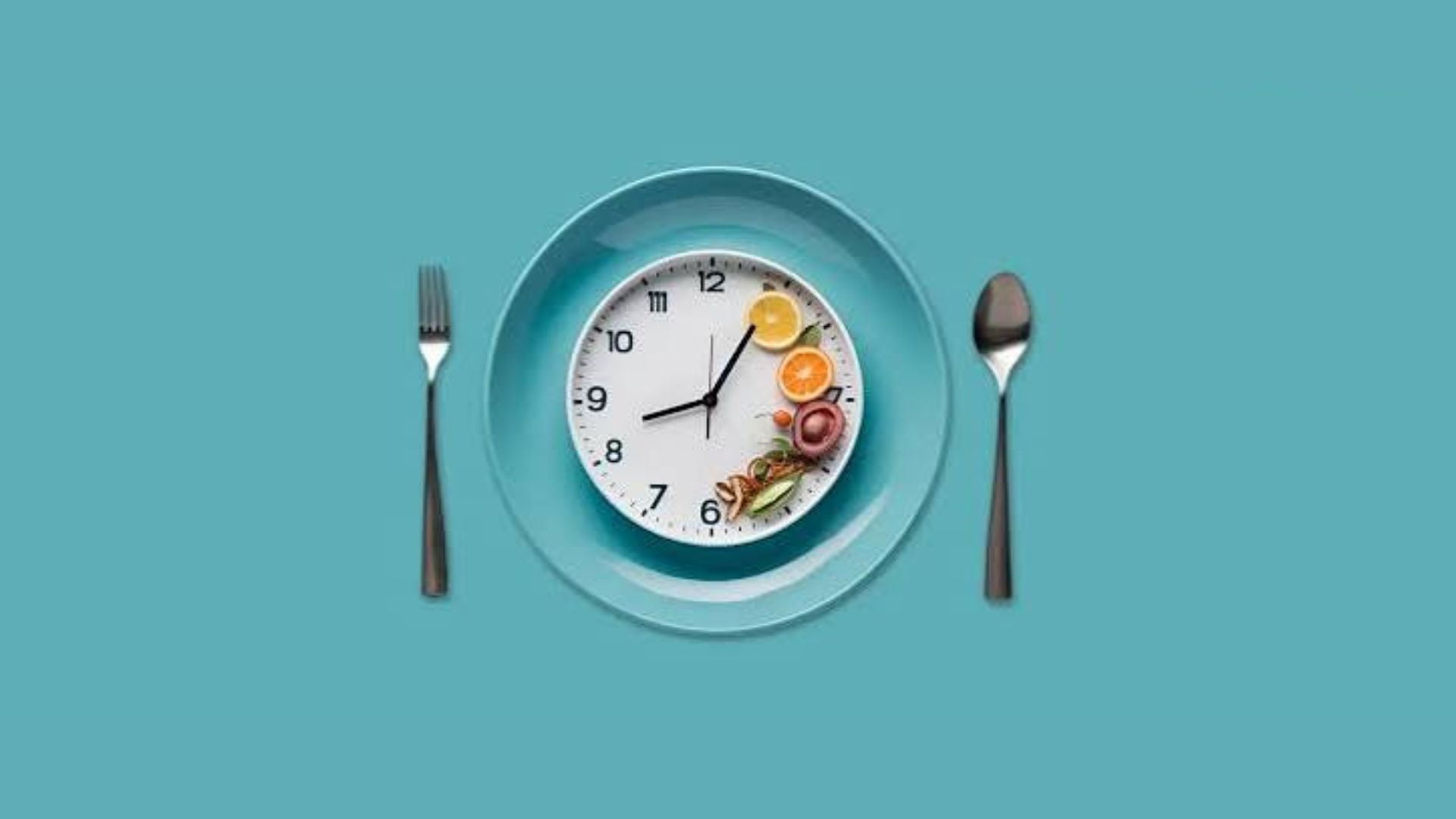
Intermittent Fasting (IF) is an eating pattern that involves periods of eating and fasting. Instead of specifying which foods you should eat, it specifies when you should eat them.
As such, it’s not a diet as much as it is an eating pattern. Intermittent Fasting is an ancient health secret; it has been practiced throughout centuries. Recently however, many people are rediscovering this ancient dietary invention.
Is Intermittent fasting equivalent to starvation?
Intermittent Fasting is different from starving because while starving is the involuntary absence of food for a long time, leading to ill health and often death, fasting is always voluntary. Food is available but you choose not to have it.
Intermittent fasting methods
Intermittent fasting can be performed in several different ways all of which involve splitting the day or week into eating and fasting periods respectively. During the fasting periods, you eat either very little or nothing at all.
Below are the most popular intermittent fasting methods:
- The 16/8 method (the Leangains protocol): This involves skipping breakfast and restricting your daily eating period to 8 hours, such as between 2 to 10 p.m. Then you fast for 16 hours in between.
- The 5:2 diet: With this method, you can consume only 500 to 600 calories on two non to consecutive days of the week, but eat normally the other 5 days.
- Eat Stop Eat: This involves fasting for 24 hours, once or twice a week, for example, by not eating from lunch one day until lunch the next day.
Benefits of Intermittent Fasting
While most people take up intermittent fasting to lose weight, there are a lot of other benefits of this practice that aren’t commonly known. Below is a list of a few of them:
- Weight and body fat loss
- Increased fat burning
- Lowered blood insulin and sugar levels
- Possible reversal of type 2 diabetes
- Possible improved mental clarity and concentration
- Possible increased energy
- Possible increased growth hormone, at least in the short term
- An improved blood cholesterol profile
- A reduction in the risk of Alzheimer’s disease
- A longer life span
- Possible activation of cellular cleansing by stimulating autophagy
- Possible reduction of inflammation
Side effects of intermittent fasting
Intermittent Fasting can pose certain health risks for people who:
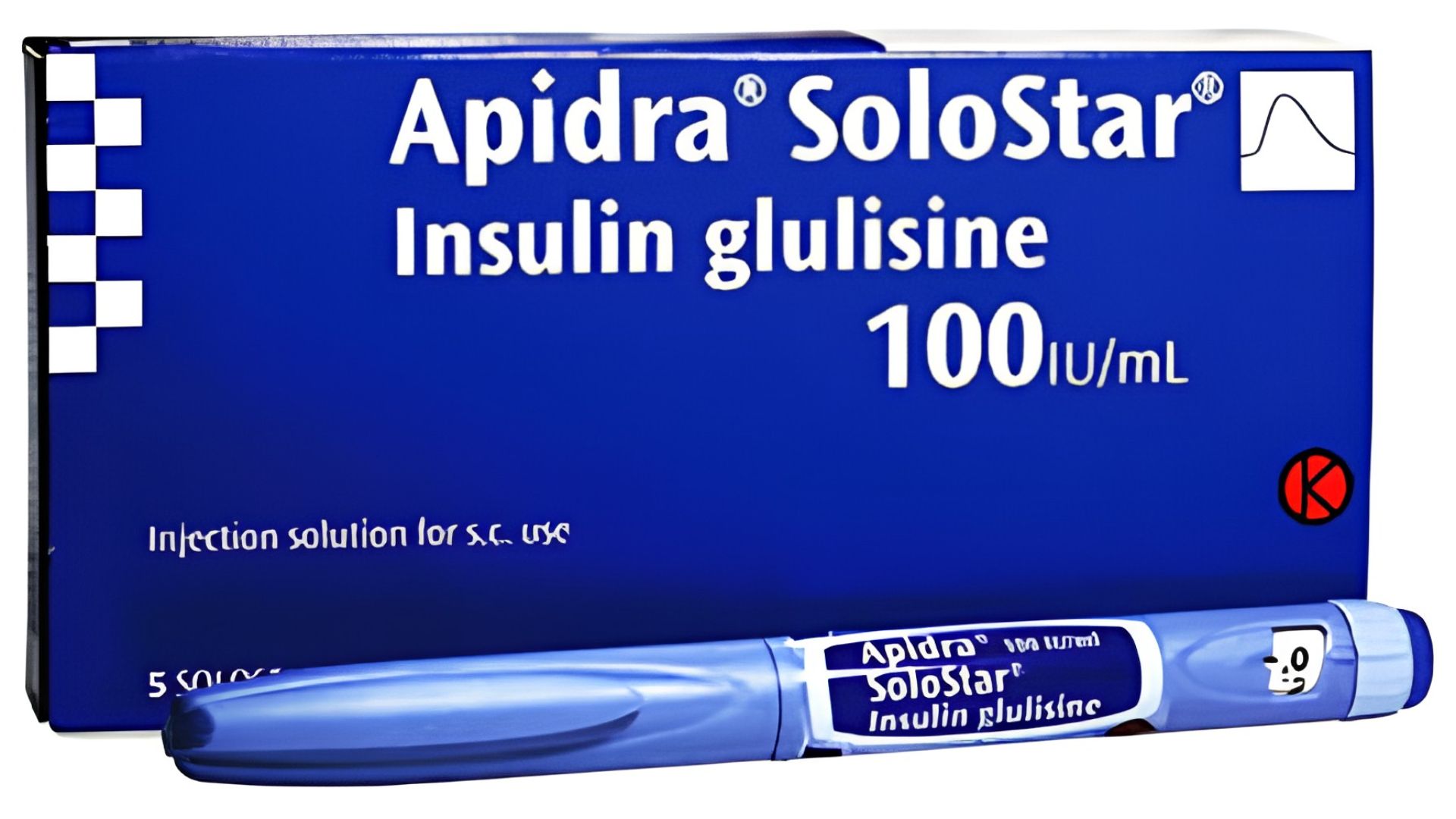
- Have diabetes.
- Have problems with blood sugar regulation.
- Have low blood pressure.
- Take medications.
- Are underweight.
- Have a history of eating disorders.
- Are trying to conceive. (females only)
- Are pregnant or breastfeeding. (females only)