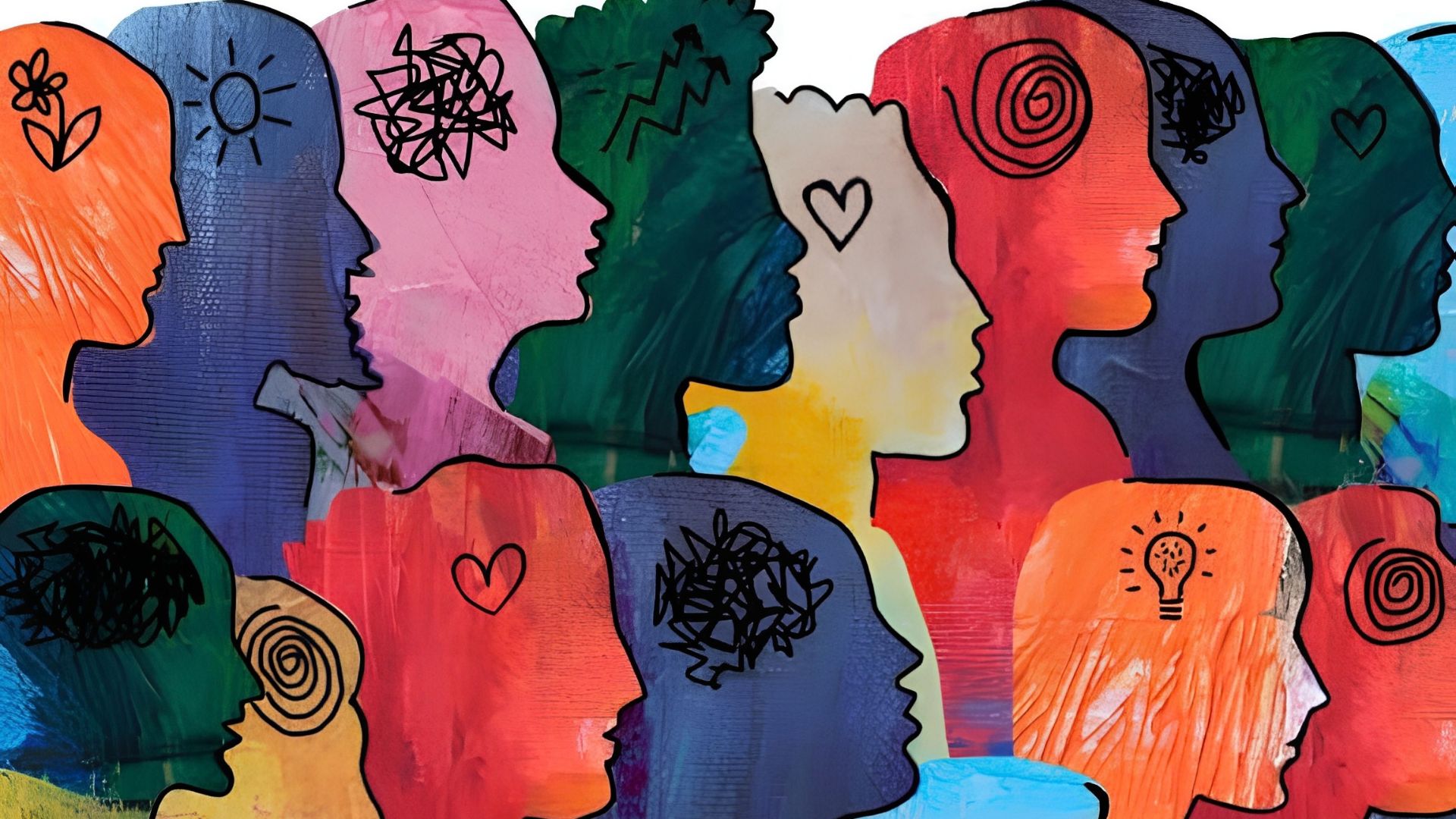
A man struggling with depression is told to be strong. A woman experiencing anxiety is advised to be patient. A teenager showing signs of emotional distress is dismissed as attention seeking. An exhausted worker is reminded that everyone has problems.
Different people, different circumstances, but often the same message: endure quietly.
In Pakistan, where physical illness may invite sympathy and medical attention, psychological suffering frequently encounters disbelief, judgement or silence.
Mental health is discussed in increasingly visible awareness campaigns, yet for many people, acknowledging a problem remains more frightening than living with it.
The contradiction is particularly striking in a country where millions need mental healthcare, but only a fraction can access it.
According to figures released by the UN in Pakistan on 2 October 2026, the World Health Organisation (WHO) estimates that approximately 32.4 million people in Pakistan need mental healthcare.
Yet mental health services reach only around five per cent of the population, leaving an estimated treatment gap of 95 percent.
These numbers reveal more than a shortage of doctors. They expose a national dilemma in which mental illness is simultaneously a medical concern, a social taboo and an issue of unequal access to healthcare.
When silence becomes a social expectation
Pakistan's mental health stigma cannot be understood without examining the expectations placed on individuals from childhood.
Boys are frequently taught that crying signifies weakness, that emotional vulnerability undermines masculinity and that seeking psychological support is somehow incompatible with being a responsible man.
Girls, meanwhile, may be encouraged to remain accommodating, patient and resilient, even when confronted with emotional neglect, domestic pressures or persistent distress.
These expectations do not affect everyone equally, nor does every family reinforce them. Nevertheless, they illustrate how cultural attitudes can influence whether psychological suffering is recognised, dismissed or concealed.
For men, the pressure to remain financially stable and emotionally composed may make admitting distress particularly difficult. For women, concerns about family reputation, marriage prospects and social judgement may discourage disclosure.
Children and adolescents face another challenge. Academic pressure, bullying, family conflict and digital exposure can affect their psychological wellbeing, yet their struggles may be interpreted as indiscipline, laziness or ordinary teenage behaviour.
The consequences extend beyond delayed treatment.
When people repeatedly hear that their suffering is imaginary, exaggerated or shameful, they may begin to question their own experiences. Seeking help becomes not merely a medical decision but a confrontation with deeply ingrained social expectations.
And sometimes, the stigma begins within the very household that should provide safety.
The geography of getting help
Even when individuals overcome the fear of judgement, access to professional care remains a formidable obstacle.
Pakistan has approximately 0.19 psychiatrists per 100000 people, compared with an average of seven per 100000 in high income countries, according to figures cited by the WHO in the October 2026 UN update.
The shortage is compounded by the uneven distribution of specialists.
A 2024 assessment of Pakistan's mental healthcare system found that psychiatric professionals were heavily concentrated in urban centres, with many working in private practice and vacancies persisting in district level public hospitals.
For someone living in Islamabad, Lahore or Karachi, obtaining a consultation may be difficult but possible. For residents of remote villages, mountainous communities or underserved districts, it may require lengthy travel, lost wages and expenses that a household cannot afford.
The problem is not simply whether a psychiatrist exists somewhere in the country. It is whether a person can reach one, pay for treatment, receive appropriate follow up care and continue that treatment without compromising other essential needs.
For a daily wage worker, attending regular therapy sessions may mean sacrificing income. For a woman dependent on family members for transportation or finances, seeking treatment may require permission or disclosure she is unwilling to make.
Mental healthcare, in these circumstances, becomes a privilege determined partly by geography, income and personal independence.
When survival takes precedence over wellbeing
Pakistan's economic realities introduce another dimension to the crisis.
For households struggling with food prices, electricity bills, rent, school fees and medical expenses, psychological care can appear secondary to immediate survival.
Yet financial insecurity itself can contribute to chronic stress, anxiety and emotional exhaustion.
This creates a cycle in which economic hardship worsens psychological distress, while untreated mental health conditions can impair concentration, productivity, relationships and the ability to work.
A 2026 study published in Frontiers in Public Health, using indicators from the Global Mental Health Countdown 2030, found that mental, neurological and substance use disorders accounted for approximately six percent of Pakistan's total disability adjusted life years, a measure of disease burden.
The same analysis reported that government mental health spending represented just 0.4 percent of the health budget, illustrating the gap between the burden of illness and the resources allocated to addressing it.
The implications are significant.
Mental health cannot be separated from poverty, unemployment, displacement, insecurity or exposure to disasters. Flood survivors who have lost their homes, families living with prolonged uncertainty and individuals experiencing violence may require psychological support alongside material assistance.
A society cannot reasonably expect people to remain emotionally unaffected by conditions that repeatedly threaten their security and livelihoods.
Nor can mental healthcare be reduced to advice about positivity, exercise or personal resilience when the underlying sources of distress remain unaddressed.
Faith, misconceptions and the fear of being labelled
Another barrier lies in how mental illness is understood.
In some households, symptoms of depression, anxiety or other psychological conditions may be attributed to spiritual weakness, supernatural influences or insufficient religious devotion.
Faith and spiritual practices can provide genuine comfort, belonging and emotional resilience. The difficulty arises when spiritual explanations are treated as substitutes for medical assessment or when individuals are made to feel guilty for experiencing symptoms they cannot simply control.
Prayer and professional treatment need not be mutually exclusive.
Equally damaging is the casual use of words associated with mental illness as insults. Labelling someone pagal or dismissing psychiatric treatment as something reserved for people who have lost touch with reality reinforces misconceptions about conditions that vary enormously in severity, symptoms and treatment requirements.
The fear of being labelled can influence employment, relationships and family decisions. In some cases, people may conceal their diagnoses or avoid treatment to protect their reputation.
Stigma, therefore, is not merely an unpleasant social attitude. It can become a practical barrier to recovery.
The unseen psychological cost of everyday life
Pakistan's mental health conversation also needs to move beyond diagnosed disorders and consider the environments in which psychological distress develops.
A person may be experiencing severe emotional exhaustion without meeting the diagnostic criteria for a particular mental illness. That suffering still deserves recognition.
Consider the mother balancing employment, childcare, domestic responsibilities and financial uncertainty, with little time for rest.
Or the father who feels unable to discuss his anxiety because his family depends on his income. Or the student whose academic performance has become the principal measure of personal worth.
These examples are not interchangeable, but they reveal a common problem: emotional wellbeing is frequently treated as an individual responsibility, even when distress emerges from wider social conditions.
Workplaces may reward relentless availability while neglecting burnout. Schools may emphasise academic achievement without providing adequate psychological support. Families may recognise physical fatigue while dismissing emotional exhaustion.
There is also a tendency to romanticise resilience.
People are praised for surviving extraordinary pressures, often without asking why they were expected to endure those pressures without support.
Resilience is valuable. But it should not become an excuse for institutions, employers or families to ignore preventable suffering.
Can technology bridge the treatment gap?
Digital mental healthcare presents an opportunity, particularly in communities where qualified professionals are scarce.
Remote consultations can reduce travel costs, improve privacy and connect patients with specialists in other cities.
A study published in the WHO's Eastern Mediterranean Health Journal in 2024 examined patient experiences with tele mental health services in Pakistan.
Participants identified convenience, reduced travel and greater privacy as important benefits. Some also felt that online consultations helped them avoid the stigma associated with visiting a mental health clinic.
However, technology is not a universal solution.
Unequal internet access, limited digital literacy, privacy concerns and the cost of consultations can reproduce existing inequalities. Online services also require qualified practitioners, appropriate safeguards and reliable referral pathways for patients needing more intensive care.
Digital platforms can expand access, but they cannot replace a functioning public mental healthcare system.
A new policy, but will it reach the people?
Pakistan has taken a significant policy step ahead of this year's World Mental Health Day.
On 1 October, the federal government launched the National Mental Health Policy 2026–2035 during the Pakistan Global Mental Health Summit in Islamabad, in partnership with WHO, UNICEF and other stakeholders.
The policy seeks to strengthen early identification, expand community based services and integrate mental healthcare into schools and primary healthcare facilities.
At the summit's conclusion, the government also outlined plans for a national implementation and monitoring framework within 12 months, alongside priorities to expand the workforce, strengthen school psychological services and incorporate mental health into healthcare budgets and systems.
These commitments are encouraging, but the real measure of progress will not be the number of conferences organised or policy documents published.
It will be whether a child in a government school can access psychological support, whether a district hospital can provide timely assessment and treatment, and whether a person with limited income can obtain continuing care without facing financial hardship.
It will also depend on whether patients are treated with dignity, confidentiality and respect.
For policies to succeed, Pakistan must move beyond specialist centred services concentrated in major cities. Training primary healthcare workers, strengthening referral systems, expanding community services and improving public awareness could make early intervention more accessible.
Mental health must also become part of disaster preparedness, education planning and workplace wellbeing rather than remaining an isolated healthcare concern.
From speaking about people to listening to them
The theme of World Mental Health Day 2026, Lived Experiences Heard: Real Voices, Real Change, places particular emphasis on involving people who have experienced mental health conditions in decisions affecting their lives.
The WHO argues that lived experience should inform policy development, service design and evaluation, rather than being confined to personal testimonies at awareness events.
For Pakistan, this represents an important shift.
Mental health programmes are often designed by institutions, professionals and policymakers. Their expertise is essential, but people who have experienced delayed diagnoses, unaffordable treatment, discrimination or inadequate care possess knowledge that statistics alone cannot capture.
Their perspectives can reveal why services remain inaccessible even when they technically exist.
A woman who cannot travel independently may identify barriers overlooked by an urban healthcare planner. A young man who fears being judged for seeking therapy may explain why conventional awareness campaigns fail to reach him.
A person living with a chronic psychiatric condition may highlight the importance of continuity of care rather than occasional consultations.
Meaningful participation requires more than inviting people to share painful experiences. It means allowing them to influence how services are designed, delivered and assessed.
Beyond awareness: The right to be heard, and helped
Every year, World Mental Health Day brings familiar messages encouraging people to talk, seek help and support one another.
These messages matter. Conversations can challenge prejudice, and compassionate families and communities can make an enormous difference.
But awareness without accessibility offers only part of the solution.
Encouraging someone to seek therapy is of limited value if they cannot afford a consultation. Advising a distressed teenager to speak up achieves little if the adults around them dismiss their concerns.
Asking people to prioritise mental health rings hollow when the healthcare system provides few affordable avenues for treatment. Pakistan's mental health challenge is therefore not simply to persuade people that psychological suffering is real.
It is to build a society in which acknowledging that suffering does not invite humiliation, seeking treatment does not become a financial burden, and recovery is supported rather than obstructed.
The country needs trained professionals, functioning services, informed families, supportive schools and workplaces, and sustained public investment.
Above all, it needs to abandon the assumption that suffering quietly is a virtue.
Because the true measure of a society's mental health is not how convincingly its people appear to cope. It is how safely they can admit when they cannot.
And perhaps the most important question Pakistan can ask this World Mental Health Day is not why so many people remain silent, but what happens to those who finally find the courage to speak?