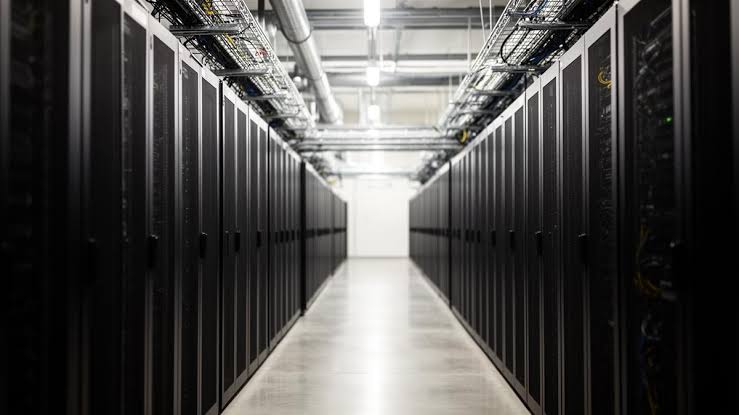
New York: Investors are selling bonds used to finance artificial intelligence data centres in the US amid concerns that revenues generated by the technology may not be sufficient to repay the debt funding infrastructure development.
Bond prices linked to projects involving Meta, Nvidia, Oracle and Microsoft have declined in recent weeks, reflecting concerns over construction costs, power supply delays and the financial returns expected from AI investments.
The sell off has affected projects including Hyperion, Sopaipilla and Project Excalibur, where companies are developing facilities to support AI computing demand.
According to the Financial Times, bonds issued by Beignet Investor, a financing vehicle backed by Blue Owl and Meta, to fund the Hyperion project have fallen from above their original face value in July to below 91 cents on the dollar.
Bonds financing two projects developed by Hut 8, including facilities in Louisiana and Texas, have declined to approximately 93 cents and 91 cents on the dollar, respectively.
Debt linked to Project Excalibur, a Georgia data centre owned by Blackstone's QTS and leased to Microsoft, has fallen below 87 cents on the dollar.
Companies providing cloud computing infrastructure for AI developers have experienced further declines.
Bonds issued by Nvidia backed CoreWeave have fallen below 75 cents on the dollar, a level generally associated with financial distress. The decline pushed yields to nearly 16 percent on Wednesday.
CoreWeave's shares have also lost almost 25 percent over the past week, while shares in rival cloud infrastructure provider Nebius have declined by more than 20 percent.
Nvidia, which has invested billions of dollars in AI companies and cloud infrastructure providers, has lost more than USD 300 billion in market value over the same period.
Investor concerns have intensified following OpenAI's decision to delay its initial public offering until next year and a slowdown in quarterly sales growth at AI developer Anthropic.
Analysts have questioned whether the revenue generated by AI services will be sufficient to justify the scale of investment in data centres, computing equipment and electricity infrastructure.
Ludovic Subran, chief investment officer at Allianz, described the situation as a period in which financially weaker data centre borrowers could struggle to meet their obligations.
He said rising credit spreads reflected concerns about construction delays, electricity availability and the risks associated with completing infrastructure projects.
A report published this week by technology consultancy Gartner forecast that 80 percent of companies specialising in cloud infrastructure for AI, commonly known as neoclouds, would cease operating independently by 2030.
The forecast was linked to concerns about the difference between infrastructure spending and the financial returns expected from AI services.
The decline in bond prices indicates that investors are reassessing the risks associated with financing AI infrastructure as companies continue committing substantial capital to data centre development.
The developments have raised questions about how the industry will finance further expansion if revenue growth fails to keep pace with borrowing and infrastructure costs.