


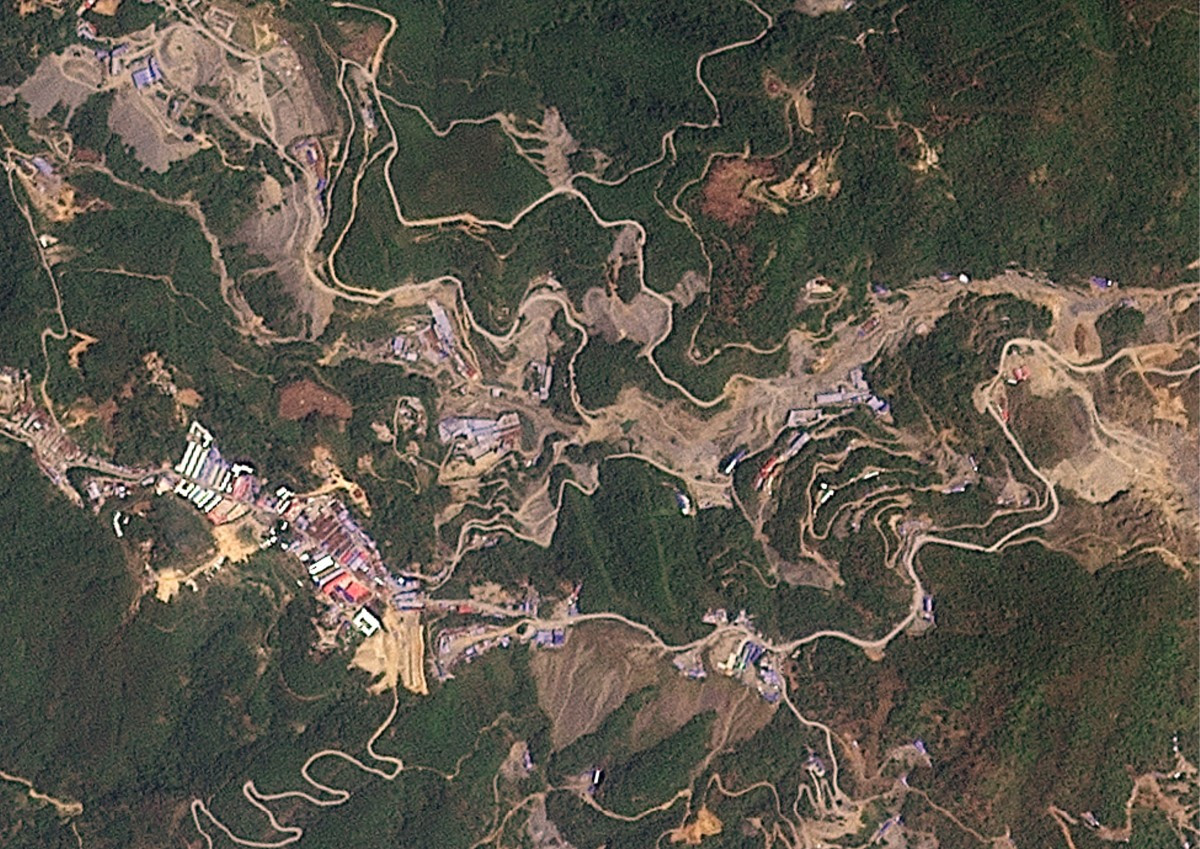
Naypyidaw: The AI boom is being built in data centres, but part of the supply chain runs through a remote mine in Myanmar.
Man Maw, one of the world’s largest tin mines, suspended operations in August 2023 in Myanmar’s autonomous Wa region. The shutdown removed a major source of tin ore from the market just as demand for advanced chips and data centre hardware was accelerating.
Tin rarely gets the attention given to copper, lithium or rare earths, yet it has a crucial role in electronics. Much of the metal is used as solder, helping connect components on circuit boards and in semiconductor related hardware. That makes it part of the physical infrastructure behind modern computing, including AI systems.
The Man Maw shutdown was significant because Myanmar had become an important supplier to China. In 2016, Myanmar supplied nearly 500000 tonnes of tin ore and concentrate to China, accounting for more than 99 per cent of Chinese imports that year, according to Chinese customs data cited by the International Crisis Group.
The disruption did not stop the electronics industry. Chinese smelters found alternative supplies, including from the Democratic Republic of the Congo, Australia and Nigeria.
But the adjustment was not painless. Reuters reported in September 2025 that Chinese imports of tin concentrates from Myanmar had fallen 77 per cent year on year, while many Chinese smelters were operating below capacity and holding less than 30 days of concentrate stocks.
The effect was also visible in prices. Reuters reported that three month LME tin prices rose from below USD 30000 a tonne in April 2025 to more than USD 35000 by the end of August, as traders waited for signs that Man Maw would return.
Now, the mine is slowly coming back. An International Crisis Group assessment cited by AFP in September 2026 found evidence of a steady but uneven restart, with ore moving again but production still well below previous levels.