

Paris: Protests over teacher shortages, inadequate resources and exhausting school days have spread across France, with more than 5000 people arrested since the start of last week, according to the interior ministry.
Education authorities said around 735 establishments were affected on Friday. Another major protest day is planned for Tuesday as students press demands for better learning conditions.
The movement began on September 17 at Saint Exupéry high school in Créteil, a Paris suburb, where pupils supported teachers striking over staffing and resource shortages.
Conditions there returned to normal after authorities agreed to provide additional staff, including a deputy principal and a nurse. Elsewhere, demonstrations continued to grow.
Students cite absent teachers, poor classroom conditions and overloaded timetables. Some school days run from 8am until 6pm, leaving teenagers facing up to ten hours at school.
Sociologist Valérie Becquet said pupils, particularly those in poorer neighbourhoods, felt they were receiving an inferior education. She highlighted substantial inequalities between schools despite France’s commitment to broad access to secondary education.
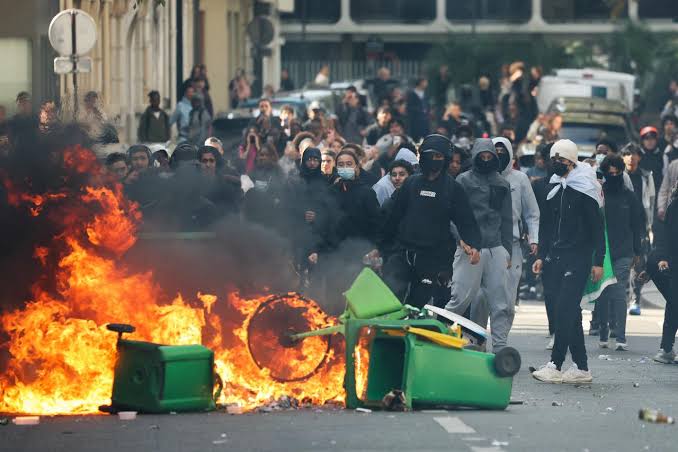
TikTok and other platforms have helped the movement spread, circulating footage of school blockades, burning bins and confrontations with police.
The police response has drawn particular concern because many protesters are children aged 15 to 18. Officers have used tear gas, rubber bullets and batons. A young man injured during clashes in Tours on Wednesday lost the use of his right eye, according to the city’s prosecutor.
Some protesters have thrown projectiles and set objects alight. In Belfort, a police officer was chased and beaten by a group of youths.
The government has accused the left wing France Unbowed party of driving the unrest, an allegation the party rejects. Its leader Jean Luc Mélenchon has supported the students while calling for peaceful protest.
The dispute has brought demands for educational equality into a wider debate over policing, political responsibility and how authorities respond to young people seeking basic improvements.