

Brussels: A drone disruption at Luxembourg airport, a review of US forces in Europe and a series of new security measures across NATO's eastern flank are highlighting a changing security environment in Europe.
Flights at Luxembourg's Findel Airport were temporarily suspended on Friday after authorities detected unauthorised drones around and over the airport. An incoming flight from London was diverted to Belgium, while operations resumed early Saturday. Authorities have not identified who operated the drones.
The airport incident came days after NATO fighter jets shot down a drone that entered Lithuanian airspace from Belarus. Lithuanian authorities said the drone carried an explosive device and was neutralised by Italian Eurofighters operating under NATO's Baltic air defence mission.
An investigation is continuing into its origin and purpose.
Lithuanian President Gitanas Nauseda later said the drone was probably heading towards Ukraine and may have deviated because of electronic warfare, rather than deliberately targeting Lithuania.
That distinction is significant because it means the incident does not by itself establish an intentional Russian attack on a NATO member.
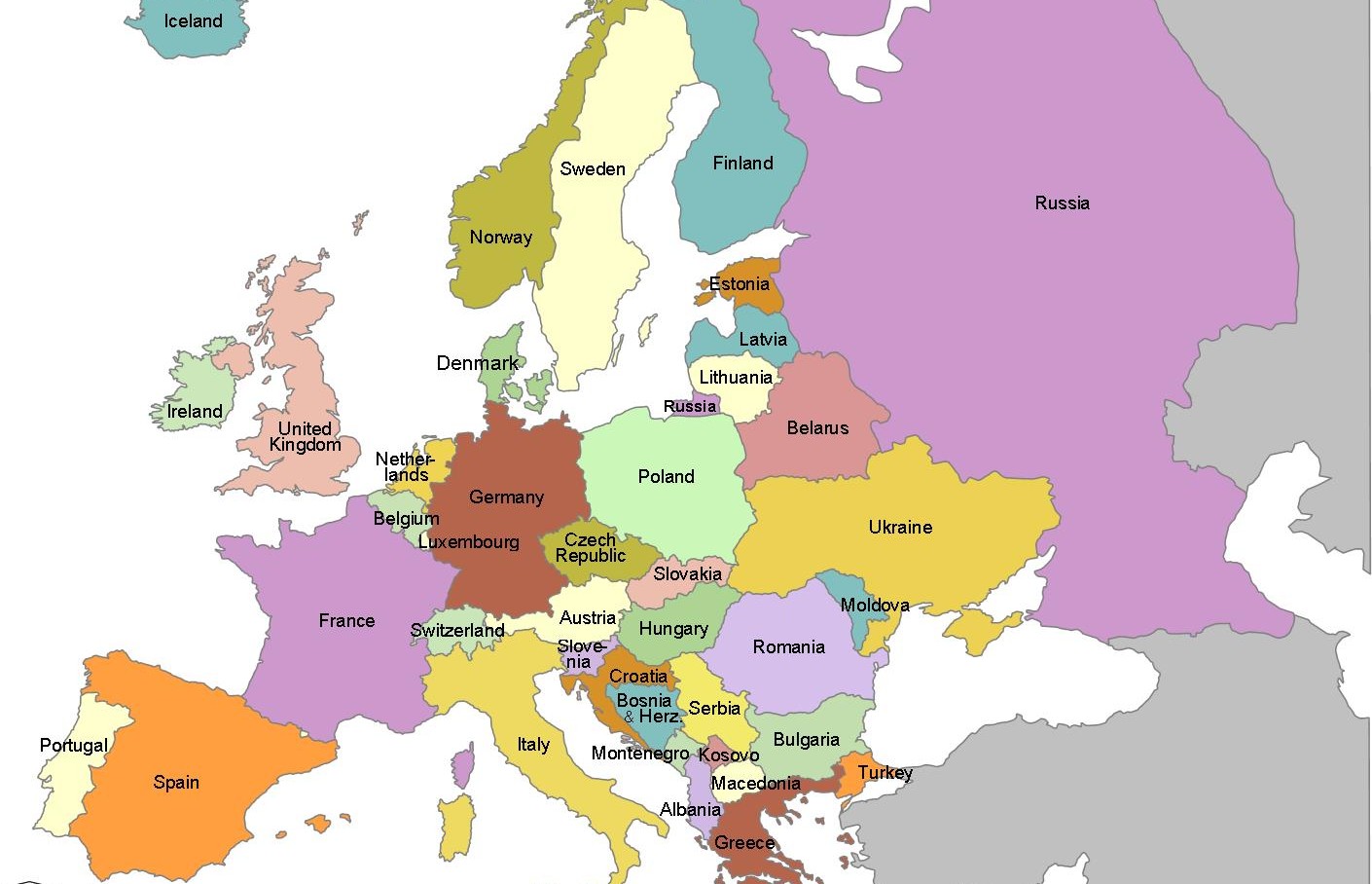
At the same time, Belarus conducted military exercises from September 15 to 18 near its borders with Poland and Lithuania. The drills included tanks, mechanised units and counter drone operations, with some activity near the Suwałki Gap, the 104 kilometre corridor linking Poland and Lithuania and the Baltic states to the rest of NATO by land. Belarus described the exercises as defensive.
Polish Prime Minister Donald Tusk has separately warned that intelligence shared by Poland, Ukraine and NATO indicates Russia could potentially use drones or missiles against countries supporting Ukraine while attempting to present such incidents as accidents.
The claim is an assessment by Polish authorities, not evidence that such an attack has been ordered or is imminent.
France has also increased preparations. President Emmanuel Macron said Russia's hybrid threat had intensified and ordered work on protecting critical infrastructure and sensitive defence facilities from possible drone and cyberattacks.
Germany has already formally attributed the attempted explosive drone attack at Leipzig/Halle Airport in August to Russia, based on intelligence and police investigations. Moscow has rejected the accusation.
Another major development is taking place on the other side of the Atlantic. NBC News reported that the Pentagon is considering withdrawing at least 25,000 US troops from Europe, potentially alongside aircraft, ships and other military assets.
However, the Pentagon's broader review is still underway and no final withdrawal decision has been announced. Reuters reported that the review could take up to six months and is focused partly on encouraging European allies to assume greater responsibility for their defence.
Russia's President Vladimir Putin has meanwhile accused European leaders of preparing for war with Russia and said Moscow has no aggressive intentions towards Europe.
His comments come as European governments publicly expand preparations for scenarios involving drones, sabotage, cyberattacks and other forms of hybrid warfare.
Switzerland, which is not a NATO member, has also adopted a new Security Policy Strategy. Its Federal Council cited Russia's war in Ukraine, hybrid threats and critical dependencies among the challenges facing the country and called for stronger resilience, protection and defence capabilities.
Taken together, these developments show a broad shift in European security planning and preparation more openly for contingencies that include disruption below the threshold of conventional war.