
Islamabad: A dispute over the identity of a man India said was killed during an operation in Kashmir has moved from military statements to social media, where Pakistani users are joking that Bollywood may already have material for its next Pakistan focused film.
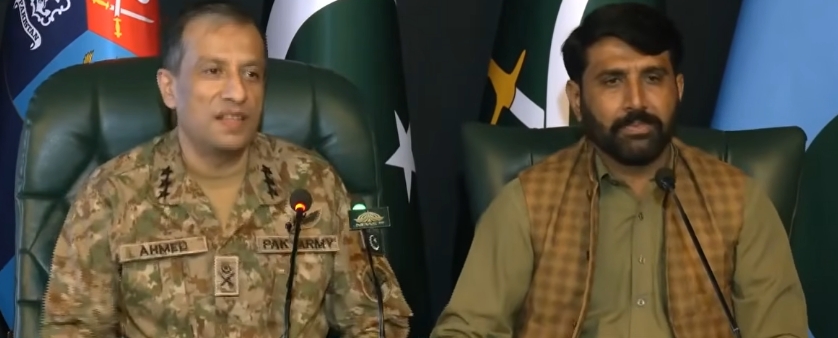
Pakistan’s military spokesperson Lt Gen Ahmed Sharif Chaudhry appeared at a press conference on Thursday alongside retired Havaldar Mohammad Asif, a former Special Services Group soldier. Pakistan said Indian authorities had wrongly used Asif’s identity while reporting the killing of a militant in Indian-administered Kashmir. Associated Press reported that India had identified the person killed in the operation as “Asif Fauji”.
Asif told the press conference that he began receiving calls after reports circulated that he had been killed. His appearance quickly became material for Pakistani social media, where users joked about a third Dhurandhar film, artificial intelligence and even a press conference being held “from heaven”.
The jokes also reflected a wider frustration among Pakistani audiences over the way Pakistan has repeatedly appeared in Indian films as the source of terrorism, espionage or military threats.
Films starring actors including Akshay Kumar and Sidharth Malhotra have used India Pakistan tensions, intelligence operations and terrorism as recurring subjects. The commercial success of such productions has kept national security and Pakistan linked stories within Bollywood’s production cycle.
That relationship between military events and cinema became visible again after India launched Operation Sindoor in May 2025. Indian producers moved to register titles connected with the operation soon after the military confrontation. By 2026, more than 150 applications and variations linked to Operation Sindoor were awaiting clearance from the Indian Motion Picture Producers’ Association.
The trend has also moved to streaming platforms. Netflix released Operation Safed Sagar in 2026, based on the Indian Air Force’s role during the 1999 Kargil conflict, taking another India Pakistan military story to an international streaming audience.
The growth of social media, however, has changed how these narratives are received across the border. Pakistani users, including Gen Z audiences, can now respond to claims through clips, memes and counter narratives rather than waiting for a film, television programme or official response.
That was evident in the reaction to Asif’s appearance. Instead of remaining confined to competing military statements, the episode was turned into a commentary on how quickly events involving Pakistan can become part of India’s entertainment and political conversation.
The latest exchange therefore raises a question that extends beyond one disputed identity: how long can Pakistan remain Bollywood’s recurring security antagonist before audiences begin asking for a different script?