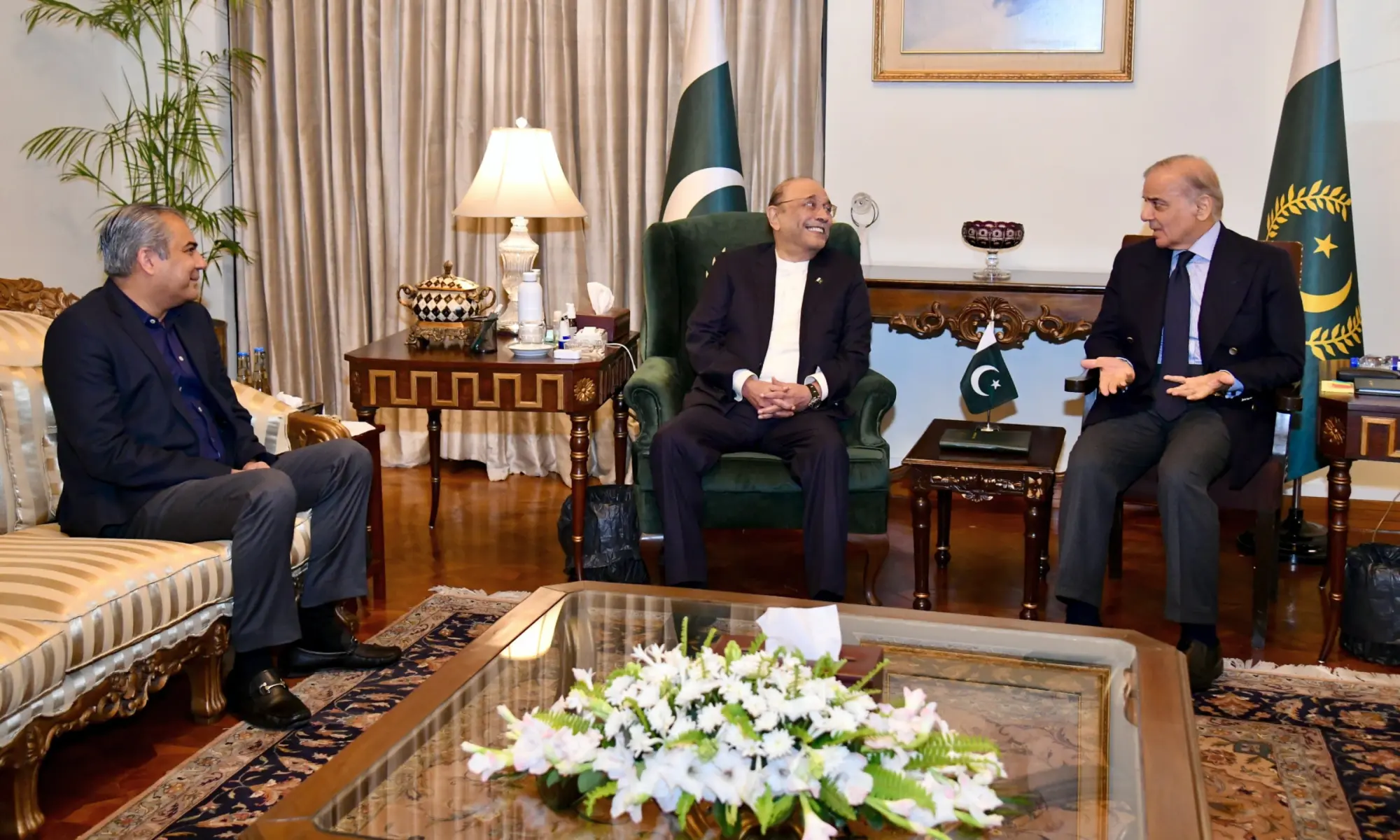
Islamabad: President Asif Ali Zardari and Prime Minister Shehbaz Sharif agreed on Thursday to resolve differences through consultation, the Presidency said, after a meeting in Islamabad amid disagreements between the Pakistan Muslim League Nawaz (PML N) and the Pakistan Peoples Party (PPP) over the creation of provinces.
Interior Minister Mohsin Naqvi attended the November 19 meeting, which also covered the conflict in the Middle East. The Presidency said the leaders would consult one another on all matters. Its statement did not announce a decision on creating provinces or holding a referendum.
The dispute concerns how changes to provincial boundaries should be decided. Naqvi opened a debate on governance in July and suggested a referendum on creating provinces. The PPP, which governs Sindh and supports the PML-N-led federal government, opposes dividing Sindh and has cited a unanimous resolution passed by the provincial assembly against its division. Zardari has not commented publicly on the issue.
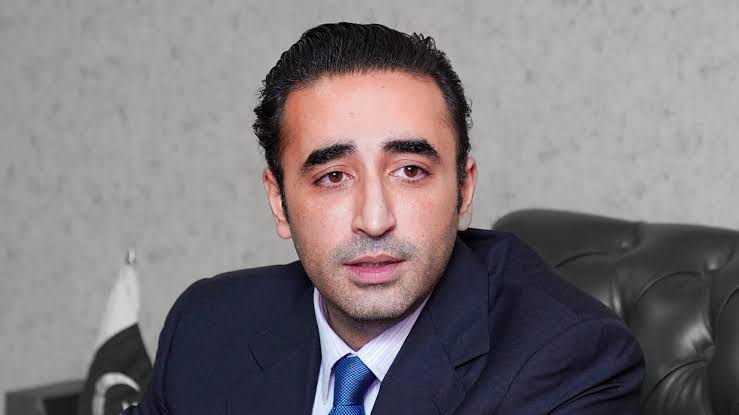
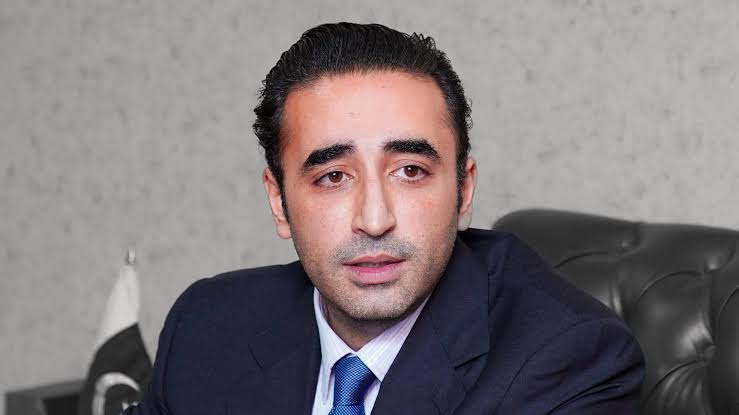
Speaking in Karachi on Tuesday, Bilawal said no one in the government had raised the matter with him or Zardari, although some federal ministers had expressed support for creating provinces. He warned against imposing a division of Sindh and questioned the purpose of a referendum. Information Minister Attaullah Tarar backed the referendum suggestion after Bilawal’s remarks.
After Thursday’s meeting, Minister of State for Interior Tallal Chaudhry told Geo News that decisions on provinces would not be taken without consensus. He said the discussion concerned governance across Pakistan rather than Sindh alone, and that a coalition committee reviewed legislative proposals before they went to Parliament.
The debate has also reopened questions about how the coalition passes legislation. The Presidency said previous constitutional amendments had been agreed through consultation among coalition parties. Bilawal had questioned whether the 27th Amendment, which he backed when it passed, had secured consensus beyond the votes needed to approve it. He later said he was not withdrawing support for the amendment but wanted broader agreement on such legislation.