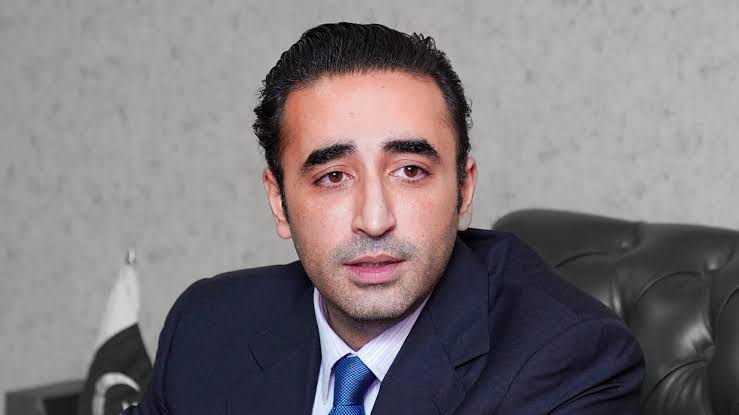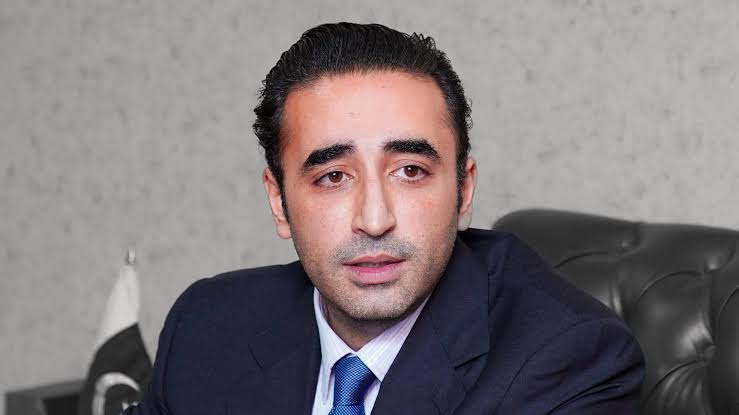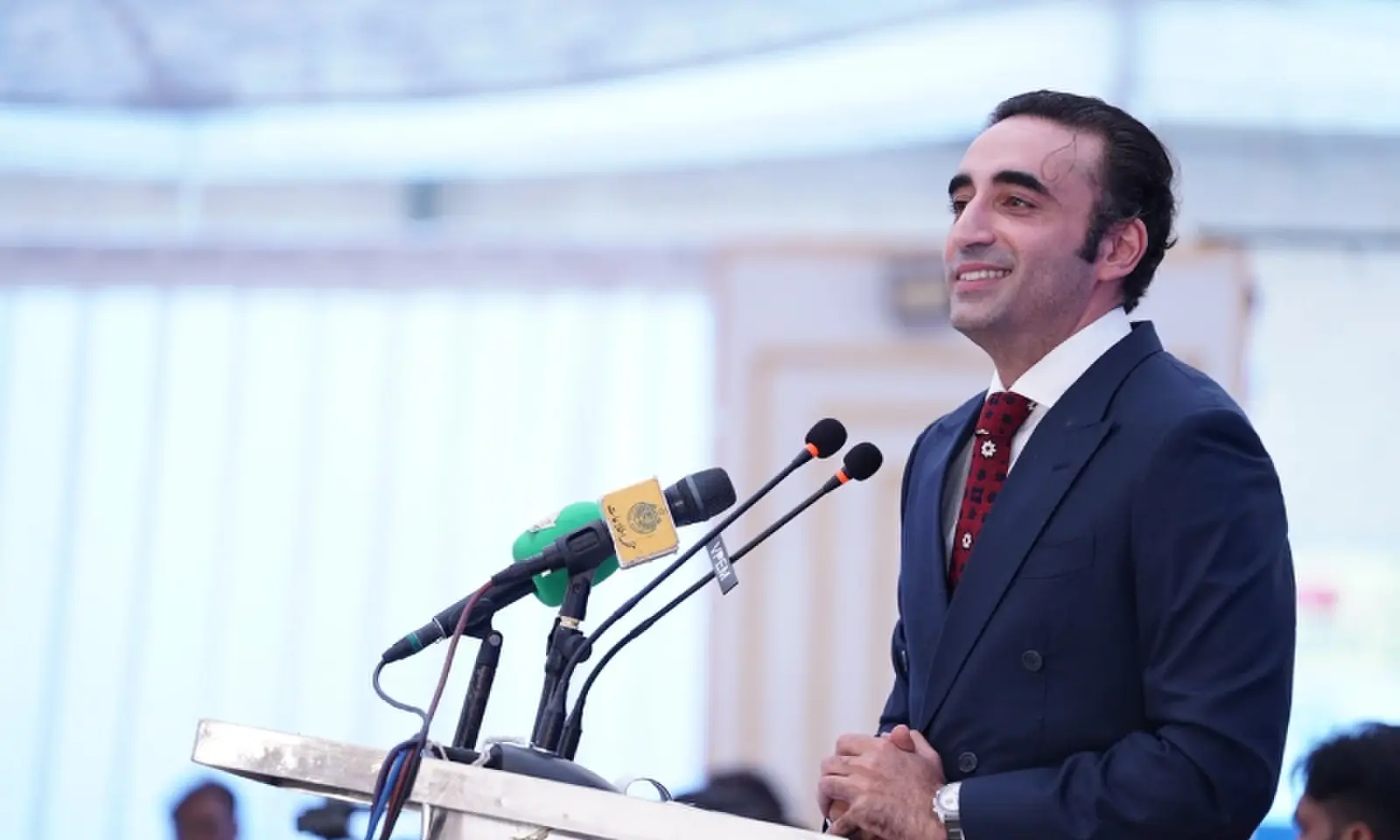
Karachi: Pakistan Peoples Party (PPP) chairman Bilawal Bhutto Zardari said on November 18 that the debate over creating provinces belonged in Parliament, a day after he warned that imposing a division of Sindh could trigger violence.
Speaking on Hum News’s Faisla Aap Ka, Bhutto Zardari said no one in government had raised a proposal to create provinces with him or President Asif Ali Zardari. He said his warning at the Karachi Press Club on November 17 was about the risk to law and order and was not a threat from his party.
Information Minister Attaullah Tarar had responded to the speech by inviting the PPP chair to talks, saying the two parties were part of the same government. Tarar said the debate could take place both inside and outside Parliament and argued that the views of residents should guide any decision.
Article 239 of the Constitution requires a bill that changes a province’s boundaries to secure the support of at least two thirds of the total membership of the affected province’s assembly, as well as two thirds in each house of Parliament. A referendum would not replace those votes.
Bhutto Zardari said he wanted the Pakistan Muslim League Nawaz (PML N) led coalition and opposition parties to work together on household costs. He cited the rise in energy costs linked to the US Iran war and said disputes between parties were diverting attention from the economy. He said he had not called for protests or announced a decision to leave the coalition.
In a separate interview with Geo News, he said courts or legislation could provide a route to reconsider whether Pakistan Tehreek e Insaf (PTI) should receive seats reserved for women and non Muslims. He framed it as a proposal for talks, not a condition for continued PPP support. In June 2025, the Supreme Court reversed an earlier ruling that had found PTI eligible for those seats. Reallocating them could change the balance of votes in Parliament.
Bhutto Zardari also said he stood by the 27th Constitutional Amendment, which established the Federal Constitutional Court. His criticism, he said, concerned how much input the opposition had in drafting the amendment. He contrasted it with the 26th Amendment, on which he said the government had received opposition input through Jamiat Ulema e Islam Fazl.