The Hague: The International Court of Justice (ICJ) ruled on Thursday that Myanmar committed genocide against the Rohingya during a 2017 military campaign in northern Rakhine State.
It was the first time the United Nations (UN) highest court found a state responsible for committing genocide.
In a nine to six ruling on the genocide finding, judges concluded that Myanmar’s security forces acted with intent to destroy a substantial part of the Rohingya population.
The court found that the forces killed members of the predominantly Muslim minority, inflicted serious bodily or mental harm and imposed measures intended to prevent births.
It said the evidence supported a UN fact finding mission’s estimate that at least 10000 people were killed.
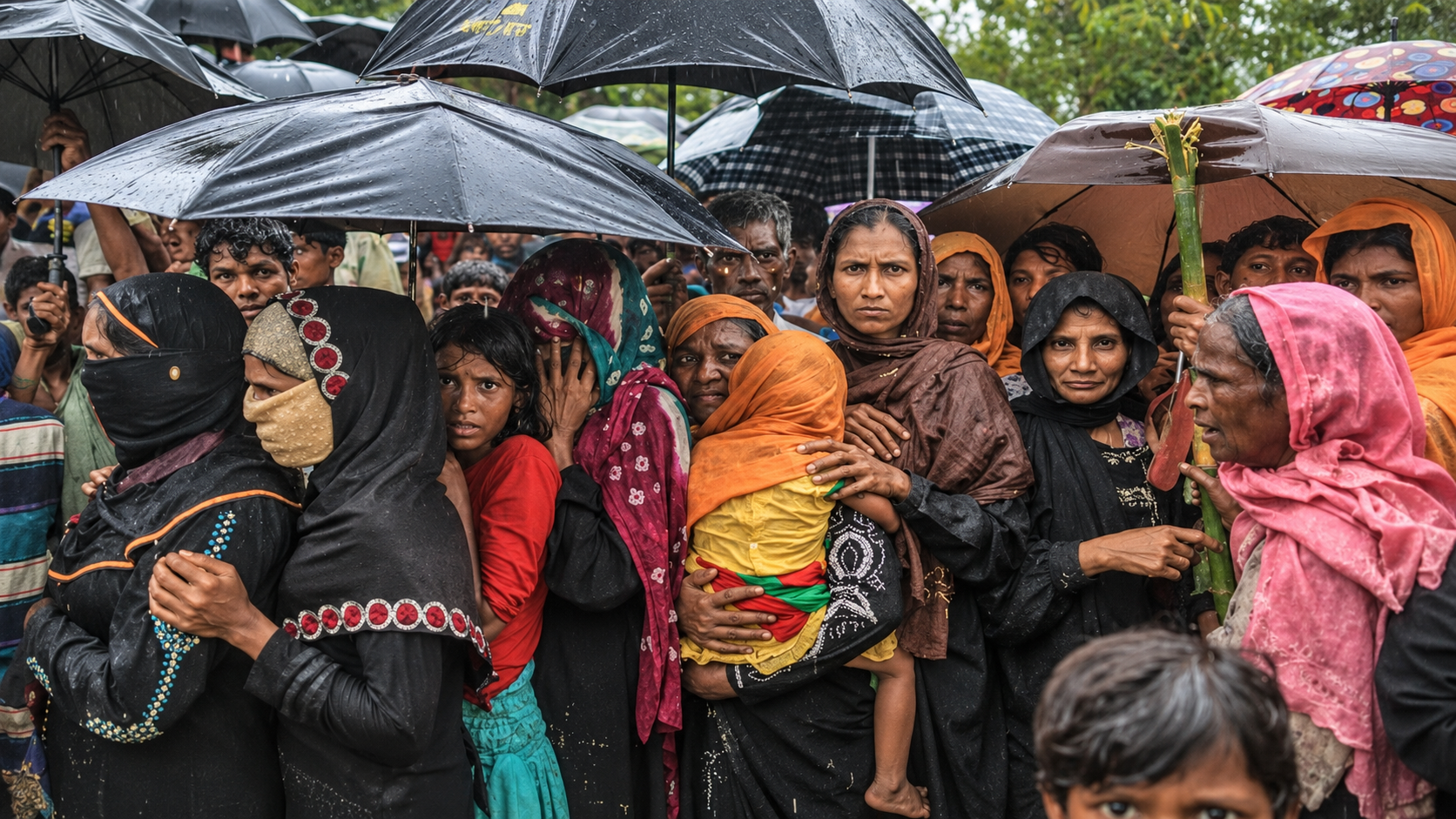
The Gambia brought the case in 2019 with the backing of the Organisation of Islamic Cooperation (OIC). More than 700,000 Rohingya fled to Bangladesh during the crackdown. Refugees gathered in Cox’s Bazar to watch the ruling and cheered when it was delivered.
Court orders reparations and safe return
The ICJ found that Myanmar also failed to meet its obligations to prevent and punish genocide and breached an earlier court order requiring it to preserve evidence.
It ordered Myanmar to end any ongoing violations of the Genocide Convention and investigate those reasonably suspected of involvement, prosecuting and punishing them where warranted.
Myanmar must take steps to enable the safe, voluntary and dignified return of Rohingya displaced within the country or abroad and help reunite separated families.
It must also compensate the community and its members for harm that cannot be remedied through restitution. The court did not set an amount.
It gave Myanmar two years to report on the steps it took and submit compensation details for the court to consider in the next phase.
Myanmar’s government called the ruling unfair on November 20, pointing to the split among judges.
It denied committing genocide and maintains that its forces were responding to insurgent attacks. UN Secretary-General António Guterres welcomed the judgment and urged Myanmar to comply.
The ruling is binding and cannot be appealed. It establishes Myanmar’s responsibility as a state, while any criminal prosecution of individuals would be handled separately.