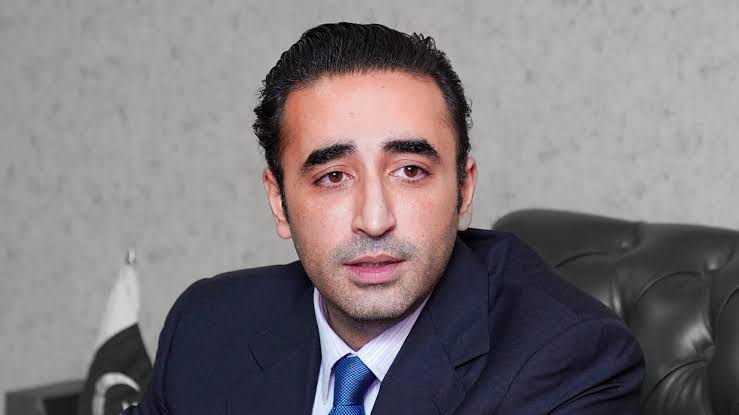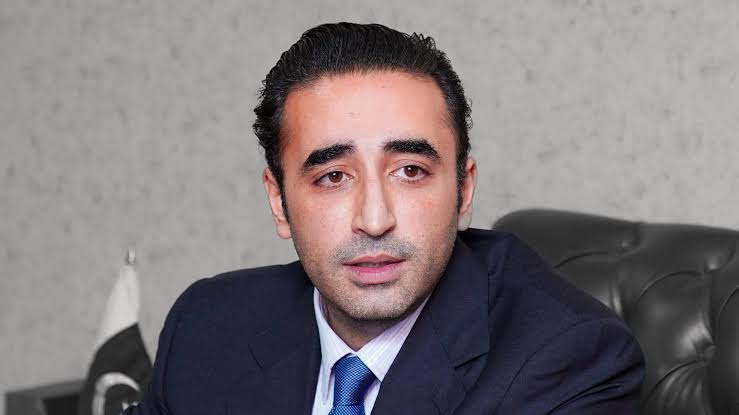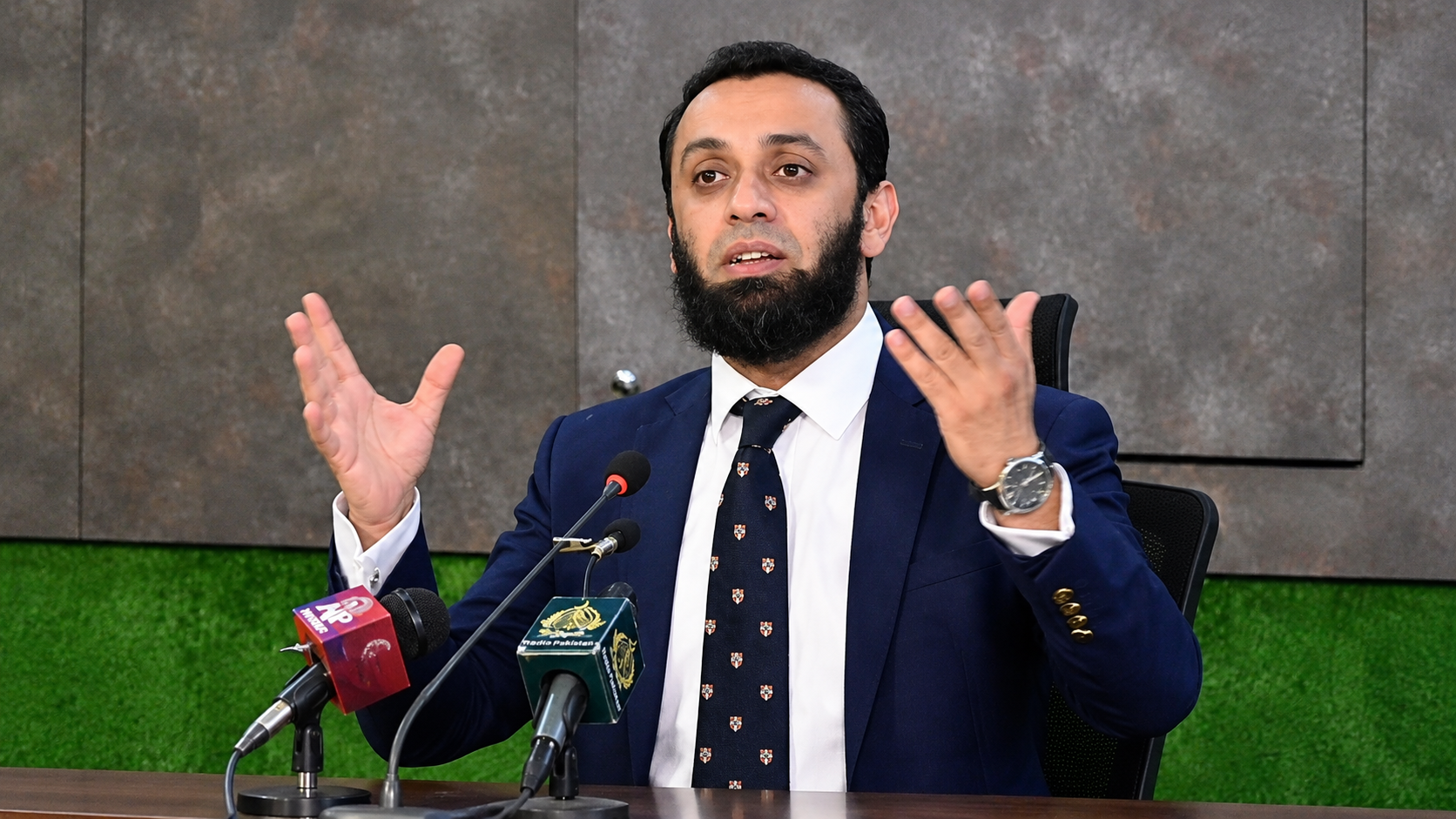
Karachi: Federal Information Minister Attaullah Tarar urged Pakistan Peoples Party (PPP) chairman Bilawal Bhutto Zardari to discuss his concerns with the government on Tuesday, 17 November, after Bilawal warned that dividing Sindh by force could lead to bloodshed in Karachi.
Tarar said the PPP and the federal government were part of the same governing arrangement and should discuss how to improve governance. He said debate on creating provinces would continue inside and outside parliament, arguing that past misuse of referendums was not a reason to deny citizens a say. He said provinces should be created only if people wanted them.
Speaking at the Karachi Press Club, Bilawal rejected Interior Minister Mohsin Naqvi’s proposal, made on 12 November, to hold a referendum on creating provinces. He said neither the prime minister nor provincial representatives had raised the matter with him or President Asif Ali Zardari, and that it had not been discussed by the federal cabinet or parliament.
Bilawal drew a distinction between creating a province with public support through the constitutional process and imposing a division. He said he would back a Punjab Assembly resolution for a South Punjab province, but pointed to the Sindh Assembly’s opposition to dividing Sindh. He also invited Prime Minister Shehbaz Sharif to meet the Sindh government and suggested holding federal cabinet meetings in each province.
Bilawal said he would first seek agreement within the PPP before trying to convene an all parties conference open to government allies and opposition parties. He argued that any attempt to restore confidence in the system should begin in parliament, with the government rebuilding trust with the opposition.
He called for the release of former prime minister Imran Khan, whom he described as a political prisoner, and for reserved seats to be returned to Pakistan Tehreek e Insaf (PTI) without preconditions. The PPP was among the parties that benefited from the redistribution of those seats. Bilawal also called for electoral reforms and the restoration of PTI’s election symbol.
On the judiciary, Bilawal questioned whether the court established after the 27th Amendment had public confidence. He said the amendment passed without agreement with the opposition, in contrast to the consultations he said preceded the 26th Amendment. He did not call for its repeal, instead urging talks on judicial reform.
The two responses set out different approaches to the dispute. Tarar called for talks within the governing arrangement while keeping the debate on provinces open to the public. Bilawal proposed bringing the opposition into a wider discussion about how parliament and other institutions function. Neither announced an agreement on a referendum or a change to Sindh’s boundaries.