Kandahar: Afghanistan's Taliban authorities have reportedly accelerated construction of tunnels and military facilities in Kandahar province amid tensions with Pakistan over the presence of militant groups operating near the shared border.
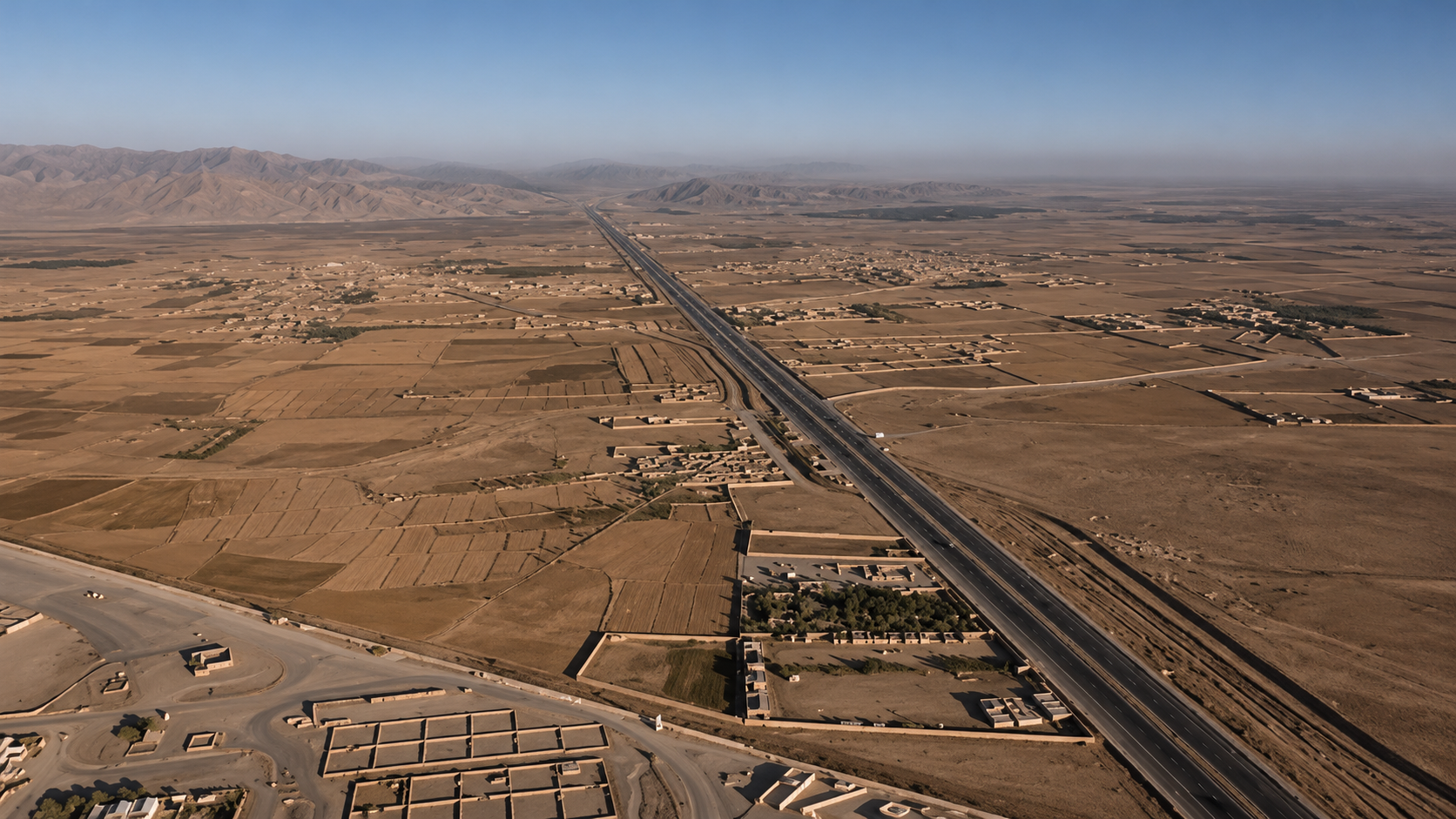
According to emerging reports, construction is taking place in Aino Mina, Mullah Sahib Sarai and areas surrounding Kandahar airport. The facilities are reportedly intended for storage, shelter and other military purposes.
The reports suggest that workers are using manual excavation, explosives and ventilation systems, with battery powered equipment supporting underground operations. However, the scale of construction, its intended use and the authorities responsible for individual sites have not been independently verified.
The developments follow reports of Pakistani strikes against suspected militant infrastructure in Afghanistan in September 2026. One reported strike targeted a tunnel near Mullah Sahib Sarai, where members of Al Qaeda and the banned Tehreek e Taliban Pakistan (TTP) were allegedly killed. Independent confirmation of the target, casualties and identities of those killed remains unavailable.
The reported construction has drawn attention because Kandahar is a centre of Taliban political and military authority and is located in southern Afghanistan, away from the main areas of militant activity along the Pakistan Afghanistan border. Afghan sources have characterised the underground facilities as defensive infrastructure, pointing to the use of mountainous terrain for shelter and protection.
Pakistani security concerns, meanwhile, centre on the possibility that such facilities could provide cover for militant groups accused of organising attacks across the border. There is currently insufficient independently verified evidence to establish whether the TTP or Al Qaeda is using the reported construction sites.
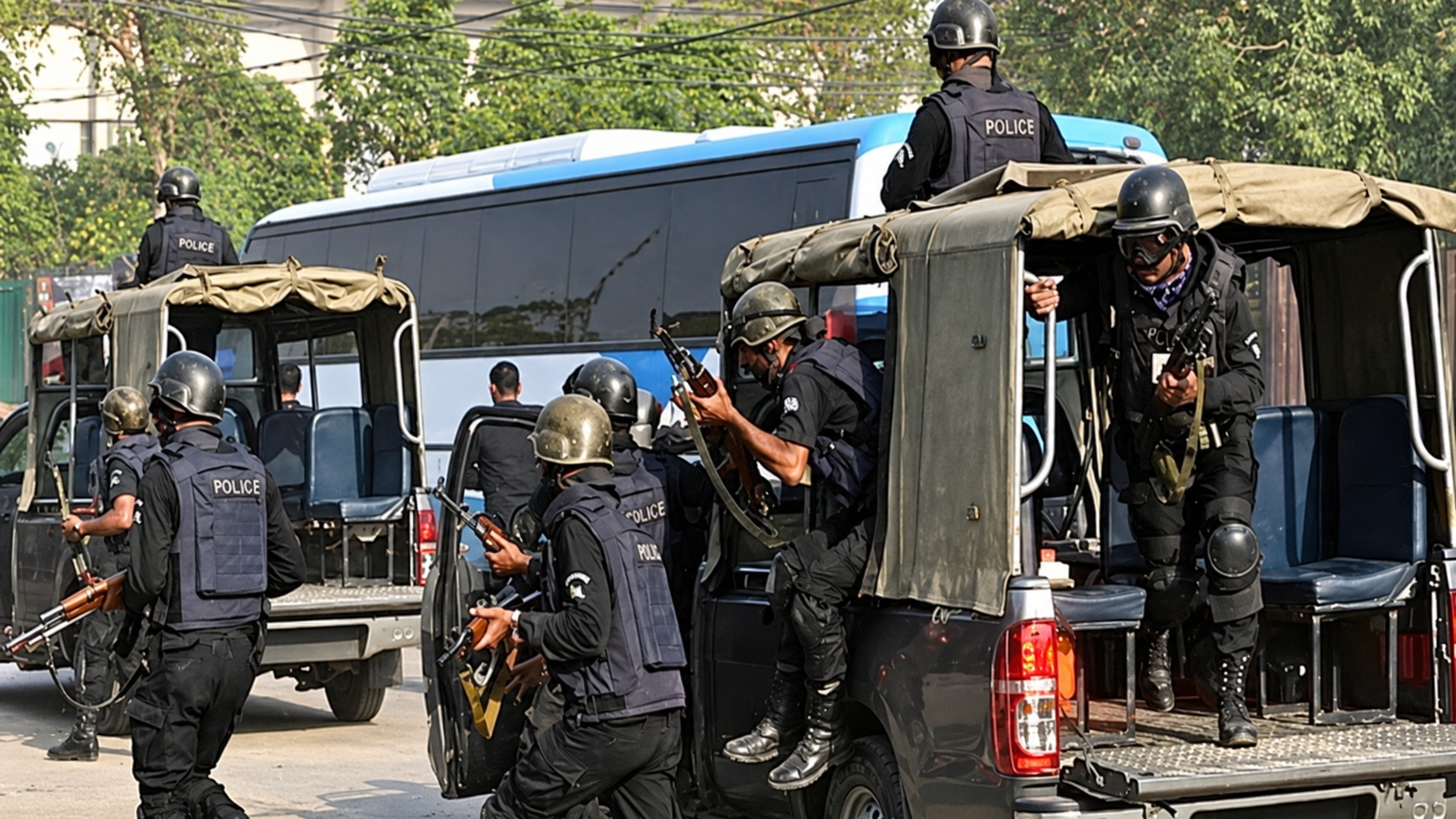
The reports come as Pakistan continues counterterrorism operations in Khyber Pakhtunkhwa, where security forces have conducted operations against suspected militant hideouts and recovered weapons and explosives.
Islamabad has repeatedly accused the Afghan Taliban administration of allowing the TTP to operate from Afghan territory. The Taliban authorities have denied responsibility for attacks inside Pakistan and maintain that Afghan territory should not be used against neighbouring countries.
The dispute has contributed to tensions between the two governments, particularly over border security, militant movement and Pakistan's military operations. Pakistan views the TTP as a threat to its internal security because of attacks targeting security personnel and civilians. The group's activities have also complicated relations with Kabul since the Taliban returned to power in August 2021.
The reported expansion of underground infrastructure raises questions about whether the Taliban are strengthening defensive positions against further strikes or whether some facilities could be used by armed groups operating beyond Afghanistan's borders.
These possibilities have different implications for regional security and cannot be treated as established facts without evidence about the facilities' occupants and activities. For Pakistan, the concern is whether militant networks could gain access to protected locations that complicate surveillance and counterterrorism efforts.
For Afghanistan, continued Pakistani strikes and allegations of militant sheltering could deepen tensions over sovereignty and border security. As of mid November 2026, no independently verified assessment has established the full extent of the reported tunnel network or confirmed its connection to cross border militant operations.
Further information from Afghan authorities, Pakistani officials and independent monitors will be necessary to determine the purpose of the construction and its implications for relations between Islamabad and Kabul.