New York: Pakistan told a United Nations Security Council meeting on November 18 that India had no right to put the Indus Waters Treaty on hold without Islamabad’s agreement.
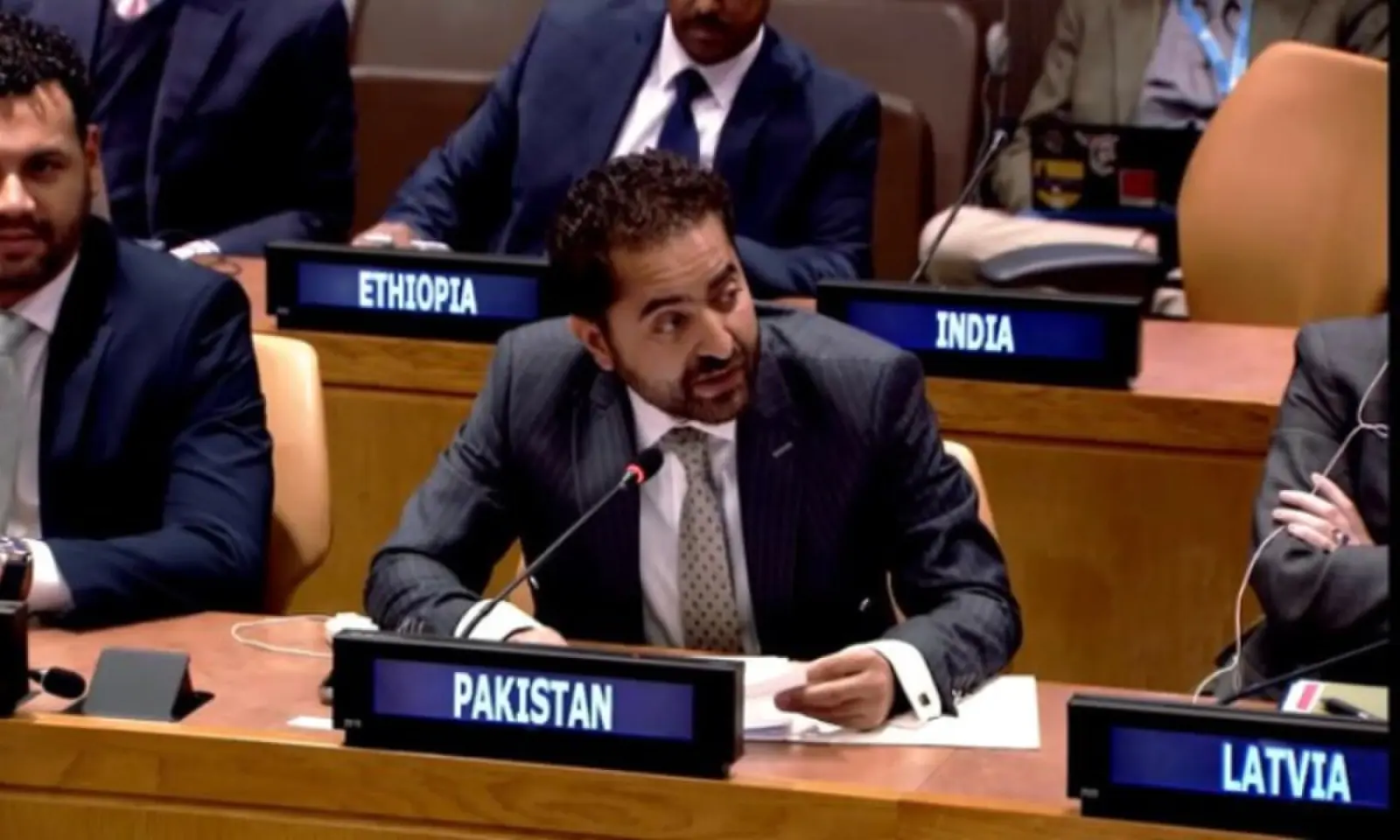
Usman Jadoon, Pakistan’s deputy permanent representative to the UN, raised the dispute at a meeting convened by Liberia on how cooperation over natural resources can prevent conflict. Jadoon said India was using the treaty and threats to stop river flows as leverage against Pakistan. He called for disputes over rivers that cross borders to be settled through negotiation and other means set out in the UN Charter.
Jadoon cited an August 31 award by the Court of Arbitration in the Indus Waters dispute. The tribunal found that the treaty remained in force and that India was still bound by it. It also rejected the grounds India had advanced for suspending or ending the agreement. That finding came from the tribunal, not from the Security Council meeting.
India’s UN ambassador, Harish Parvathaneni, pointed to the Kimberley Process, which seeks to curb trade in conflict diamonds, as an example of how countries can use mechanisms already in place to address disputes over resources. In its account of the meeting, India argued that conditions had changed since the water treaty was signed. The report did not detail India’s response to the arbitration award.
In Pakistan’s right of reply, First Secretary Ansar Shah called India’s decision “outlaw behaviour”. He argued that the treaty contains no provision allowing either country to put it in abeyance on its own. The issue, he said, was whether India could decide when the agreement applied and set conditions for carrying it out.
Signed in 1960, the treaty allocates the Ravi, Beas and Sutlej primarily to India. It gives Pakistan rights over the Indus, Jhelum and Chenab while allowing India to use those rivers for purposes specified in the agreement. Pakistan’s warning concerned the security of those water supplies; the account of the meeting did not establish that river flows had been cut.
The exchange brought the dispute before a meeting on conflict prevention, but neither side announced a timetable for talks.