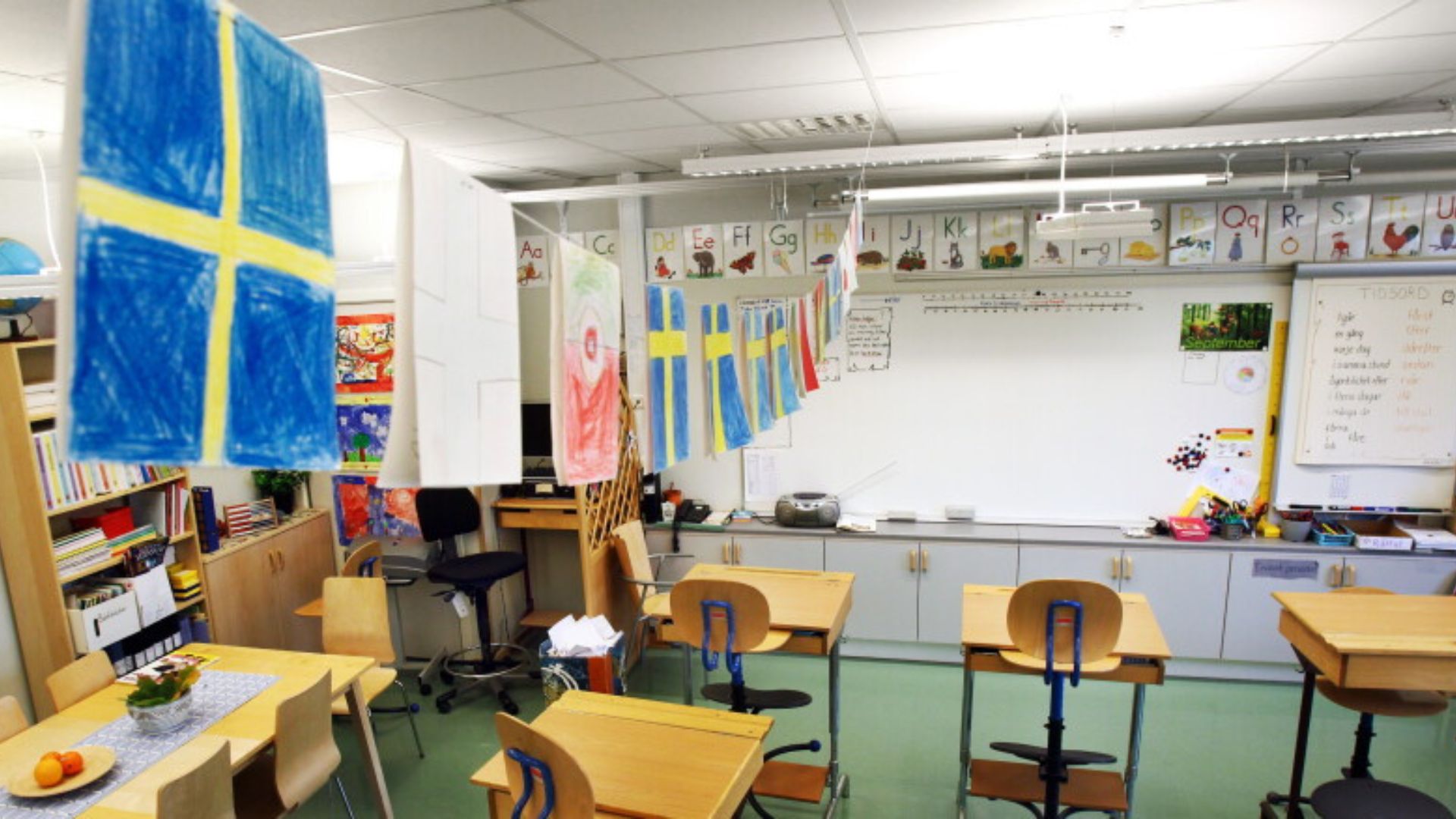
Stockholm: In a country closely associated with digital innovation, Sweden is giving greater priority to a familiar classroom combination: printed books, paper and pencils.
The government’s education reforms place reading, writing and arithmetic at the centre of early schooling. Its stated approach is to introduce digital learning tools when they support children’s development, with greater scrutiny of when screens help or hinder learning.
The shift has developed over several years. Associated Press reported renewed emphasis on printed books, quiet reading and handwriting in Swedish classrooms in 2023, alongside concerns about declining reading performance. It is not a new decision announced this week.
A concrete change took effect in July 2025, when Sweden removed the requirement for preschools to use digital learning tools.
The return to books also has financial backing. A June 2026 government statement said 555 million Swedish kronor had been allocated that year for textbook purchases. Pupils have also been entitled to access staffed school libraries since July 2025.
However, changing policy does not immediately resolve classroom shortages.
A Swedish Schools Inspectorate review published on October 8 found that more than half of the 30 schools examined needed to improve access to, or conditions for using, textbooks and other learning materials. Some pupils also needed better access to books after school.
The inspectorate stressed that its findings concerned the schools reviewed and did not represent a nationwide assessment.
The policy’s central question is therefore practical: which tools best help children learn? Sweden’s answer gives physical books and handwriting a stronger role while retaining a place for appropriately used digital resources.