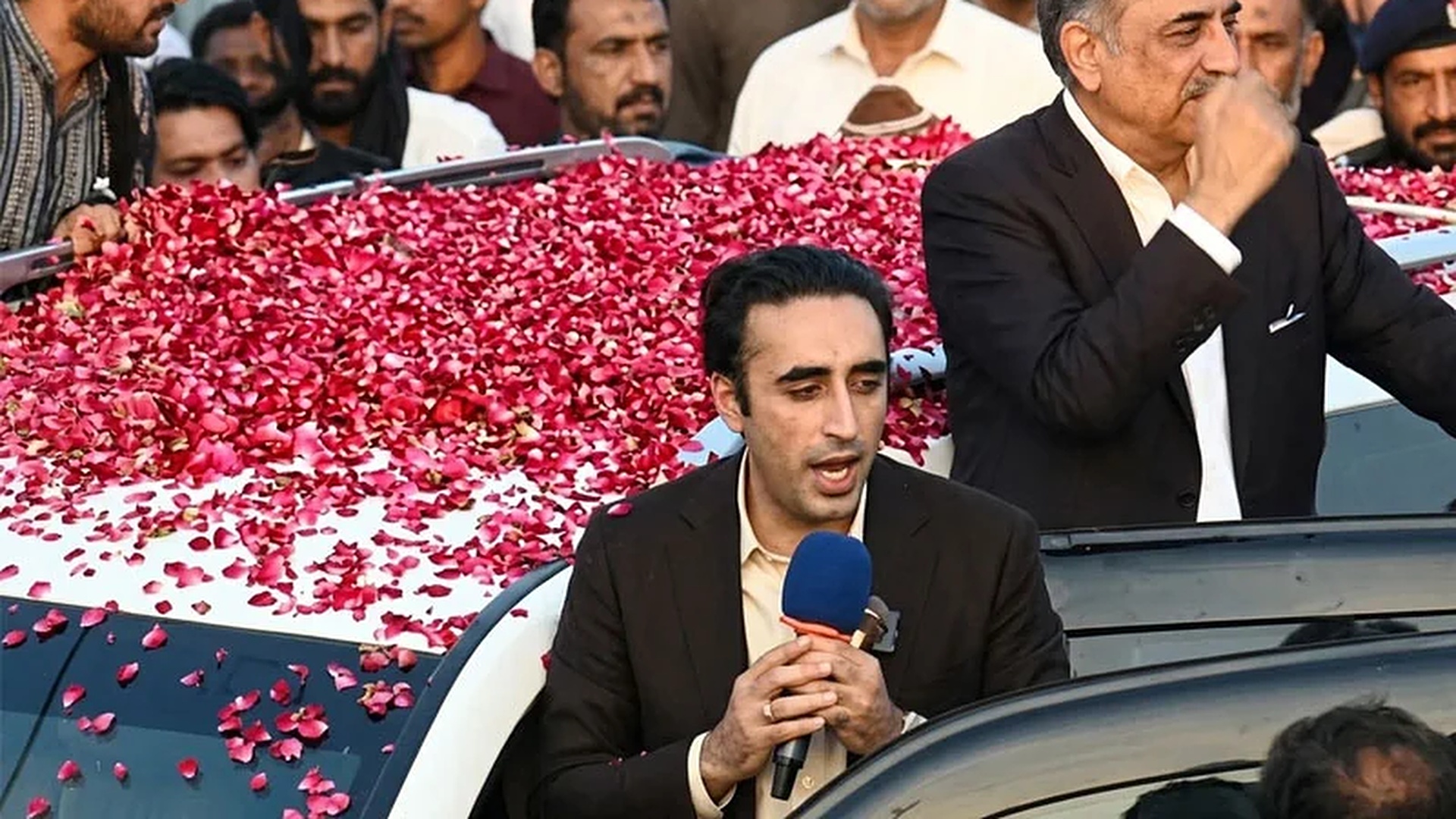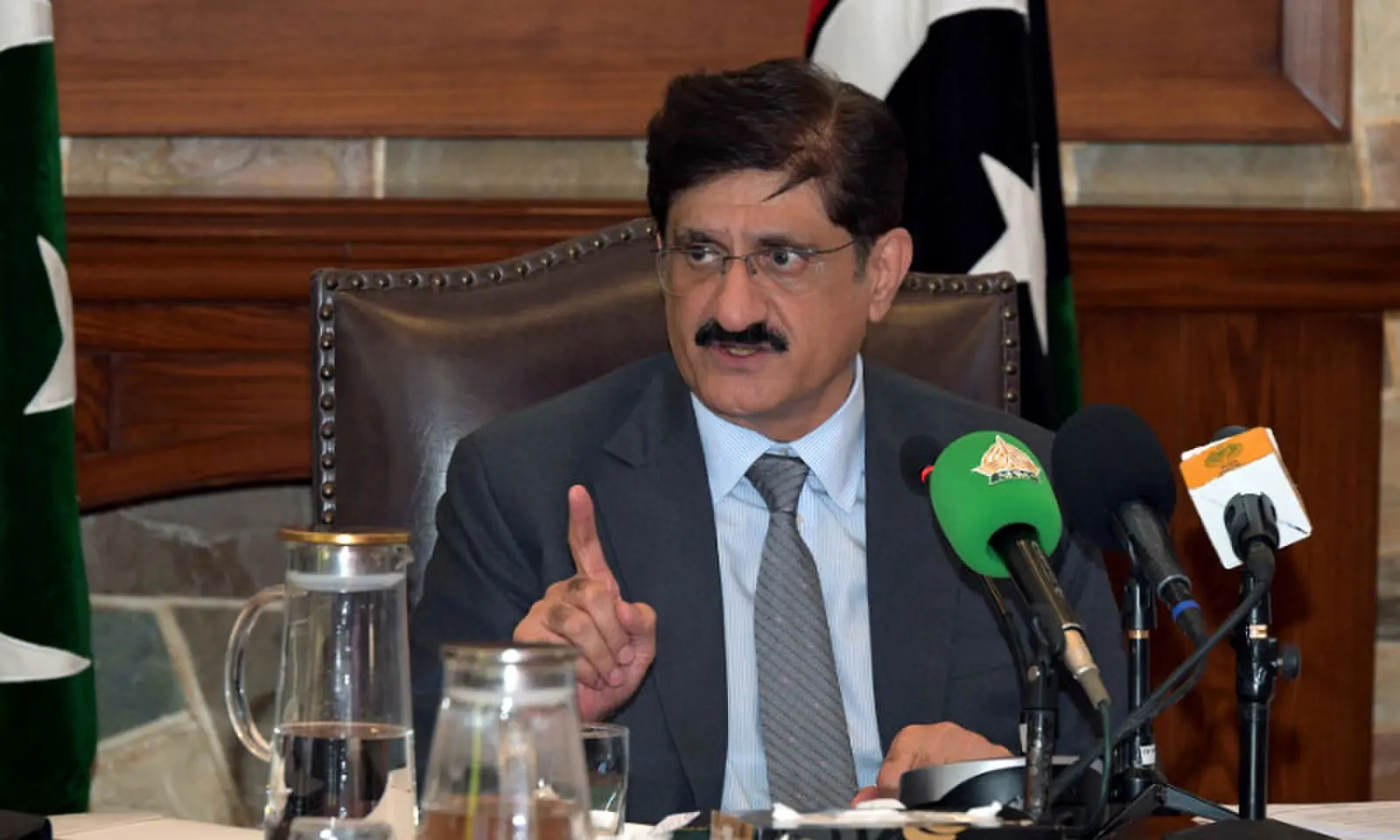
Karachi: Sindh Chief Minister Syed Murad Ali Shah on Thursday, November 26, announced plans to reform the province's local government system, promising to transfer more administrative and financial powers to elected councils while maintaining that the next local government elections would be held on schedule.
Addressing a press conference at the Chief Minister's House in Karachi, Murad said a ministerial committee would begin consultations next week to prepare amendments to the existing local government legislation.
The committee, comprising Local Government Minister Syed Nasir Hussain Shah and Law Minister Ziaul Hassan Lanjar, has been directed to engage opposition parties, civil society organisations and other stakeholders before submitting its recommendations within three months.
The chief minister said the proposed reforms would focus on strengthening local councils, improving their ability to deliver public services and giving elected representatives greater control over administrative and financial matters.
Sindh ministers Sharjeel Inam Memon and Saeed Ghani, along with Karachi Mayor Murtaza Wahab, were among those present at the press conference.
Government plans to expand powers of local councils
Murad said the provincial government wanted local bodies to exercise greater authority but would determine the extent of those powers after consultations with political parties and other stakeholders.
He also proposed strengthening the finances of local councils through the Provincial Finance Commission (PFC), which provides a mechanism for distributing provincial resources among local governments.
The proposed changes could affect how municipal bodies finance and manage services such as sanitation, roads, drainage and other infrastructure.
Under Sindh's local government system, elected councils have frequently faced questions over their powers, revenue sources and dependence on provincial departments for administrative decisions.
The debate has been particularly significant in Karachi, where political parties have disagreed over the division of responsibilities between the provincial government and municipal authorities.
The proposed reforms could address some of these concerns, although the government has not yet specified which functions, departments or revenue sources would be transferred to local councils.
The chief minister said the legislation would be developed through amendments to the existing law rather than an entirely separate legal framework.
Sindh rejects proposals for new provinces
The announcement comes amid a debate over creating provinces and administrative units in Pakistan, including proposals that could alter Sindh's boundaries. The Pakistan Peoples Party (PPP), which governs Sindh, has opposed the province's division, arguing that governance concerns should be addressed without changing its territorial boundaries.
Asked whether the provincial government had been approached about holding a referendum on creating provinces, Murad said no proposal had been communicated to him. He maintained that the Sindh Assembly had already rejected attempts to divide the province through a resolution supported by the required majority.
In September, the assembly adopted a resolution opposing changes to Sindh's territorial boundaries, citing constitutional protections requiring the consent of the affected provincial assembly.
Article 239(4) of Pakistan's Constitution requires any constitutional amendment altering provincial boundaries to receive the support of at least two thirds of the total membership of the assembly concerned.
The requirement means that a proposal to divide Sindh cannot proceed solely through a federal government decision or referendum without meeting the constitutional conditions.
The issue has become a point of disagreement between the PPP and parties advocating additional provinces as a means of improving administration and political representation.
The local government reform proposal offers another approach to the governance debate by focusing on the distribution of powers within the existing provincial structure.
Next local government elections to be held under revised law
Murad also reaffirmed the provincial government's commitment to holding local government elections on time. He said Sindh had conducted local polls despite political and security challenges and would continue to follow the electoral process.
According to the chief minister, the government intends to complete consultations and introduce the amendments before the next elections. The election schedule will be determined in consultation with the Election Commission of Pakistan.
The government has not announced the draft legislation, the precise powers to be devolved or the amount of funding local councils could receive under the proposed arrangements.
The committee's recommendations, expected within three months, will indicate whether the reforms involve changes to revenue distribution, municipal administration and the relationship between provincial departments and local governments.
The announcement places attention on the PPP's ability to strengthen local government institutions while maintaining its opposition to the creation of provinces within Sindh.
For municipal representatives and residents, the principal test will be whether the proposed changes provide elected councils with the authority and resources required to deliver services without continued dependence on provincial approvals.