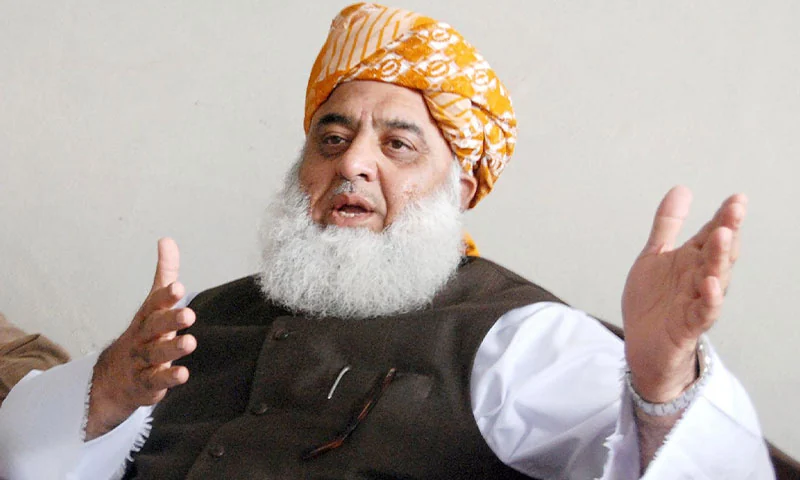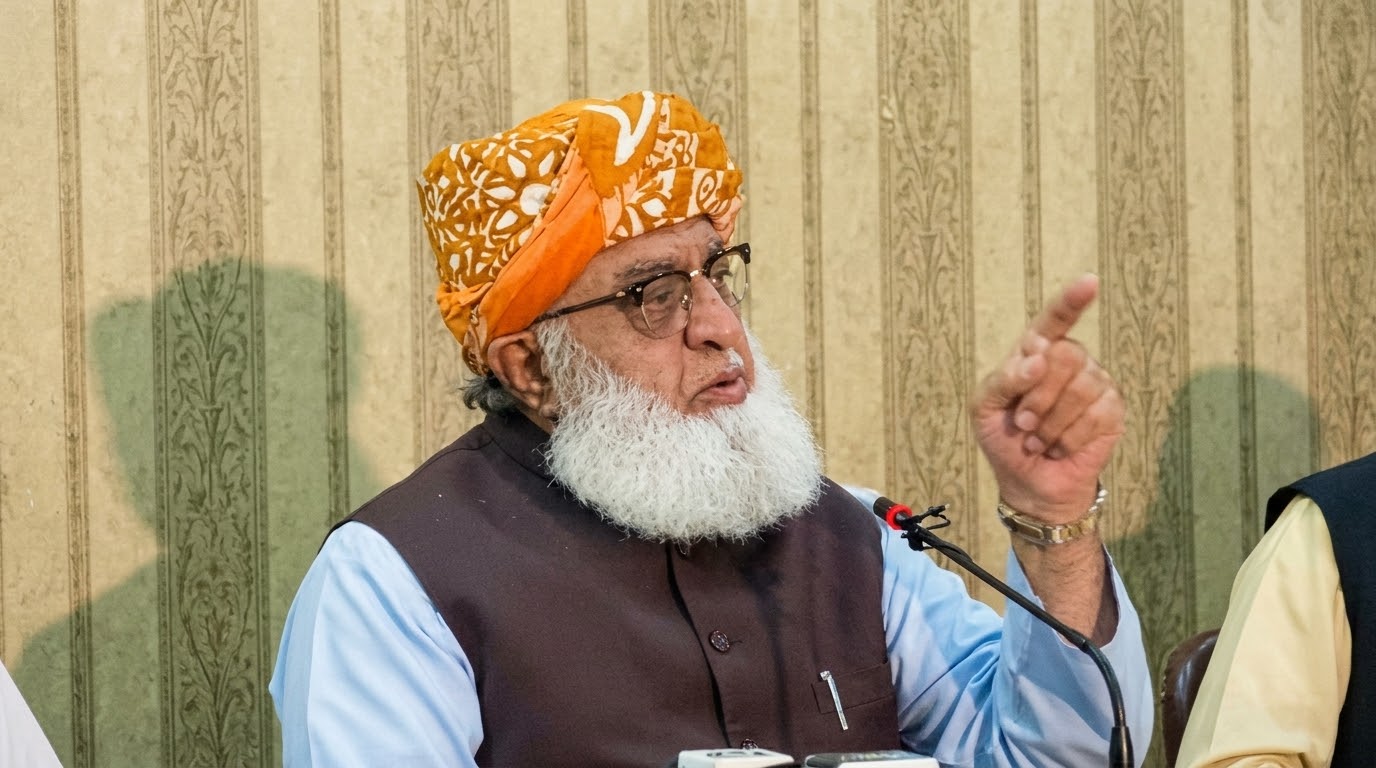
Lahore: The Lahore High Court (LHC) on Wednesday, November 25, sought a report from the Capital City Police Officer (CCPO) over the alleged house arrest of Jamiat Ulema e Islam Fazl (JUI F) chief Maulana Fazlur Rehman, questioning the legal basis for restricting his movement in Lahore.
Justice Ali Zia Bajwa issued the direction while hearing a petition filed by Advocate Chaudhry Abrar Hussain, a member of the JUI F's legal wing, who alleged that police had confined the party leader to his temporary residence in a housing society on Multan Road.
During the proceedings, the judge observed that if Fazlur Rehman had been detained without legal authority, those responsible would face consequences.
Justice Bajwa said the authorities would have to explain the reasons for restricting his movement if he had been placed under detention.
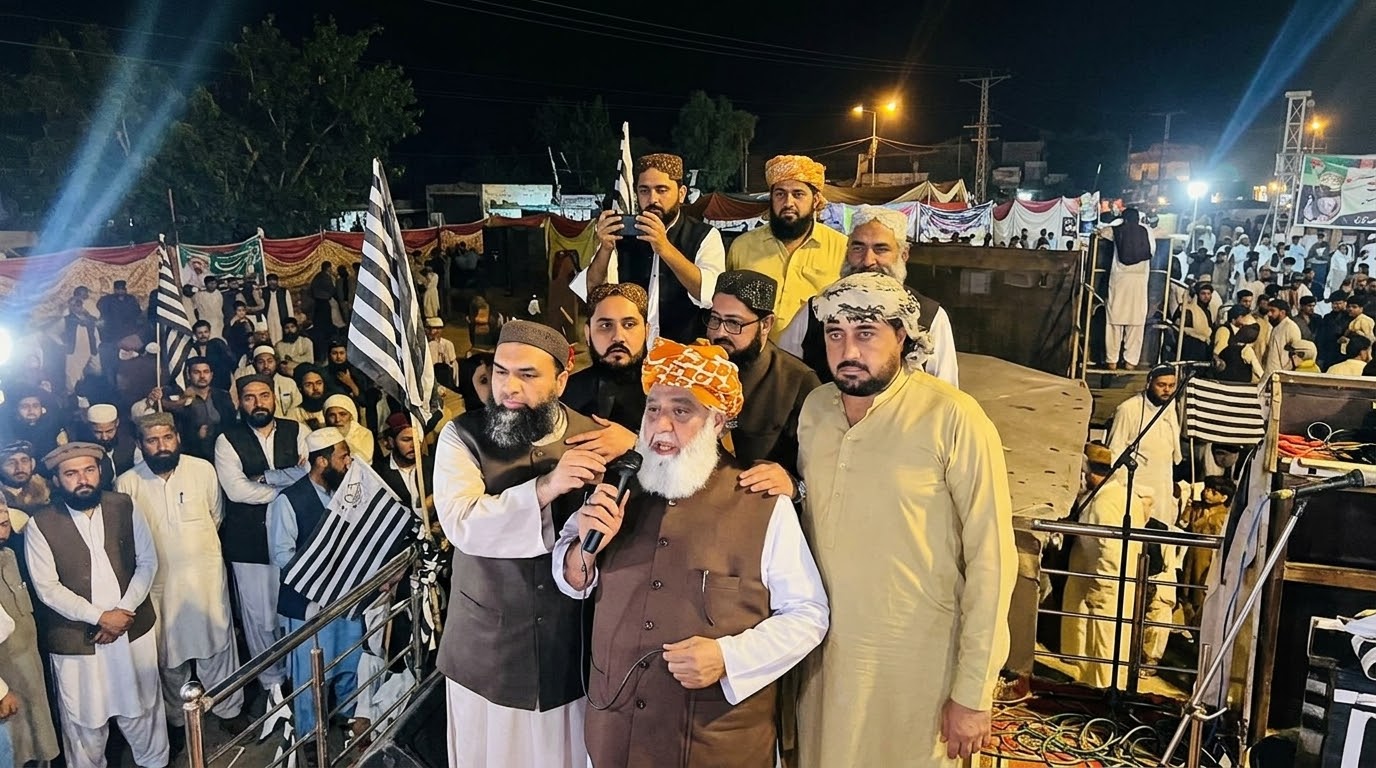
The petition followed a police deployment outside Fazlur Rehman's residence on Tuesday, which prevented him from attending a multiparty conference organised by the Lahore High Court Bar Association.
The conference was attended by representatives of political parties and the legal community to discuss constitutional and political developments.
The JUI F chief had travelled to Lahore to participate in the gathering but was reportedly unable to leave his residence after police personnel were deployed outside the property.
Court questions legal grounds for confinement
During the hearing, Additional Advocate General Farrukh Javed Lodhi questioned the petitioner's claim, pointing out that Advocate Hussain had met Fazlur Rehman the previous day.
He referred to a photograph of the meeting circulating on social media, suggesting that the lawyer had been able to access the JUI F chief.
Hussain responded that police had permitted the meeting only after repeated requests, adding that access to visitors did not mean Fazlur Rehman was free to leave the property.
The petitioner maintained that the restrictions continued and expressed concern for the political leader's life and liberty. He asked the court to order his recovery.
Justice Bajwa directed the Lahore CCPO to submit a report by Thursday, November 26, explaining the circumstances of the alleged confinement and the legal authority under which any restrictions had been imposed.
The dispute comes amid tensions between the JUI F leadership and the government over political restrictions and the situation in Khyber Pakhtunkhwa. Fazlur Rehman has criticised the imposition of governor's rule in the province and questioned the government's handling of political activity.
The restrictions on his movement also coincided with efforts by opposition parties to coordinate their positions on constitutional and governance issues. Reports indicated that police began removing barricades outside his Lahore residence on Tuesday evening, although the JUI F maintained during Wednesday's court proceedings that he remained unable to move freely.
The case raises questions about the use of police powers to restrict political participation without an identified detention order.
Article 15 of Pakistan's Constitution protects freedom of movement, subject to restrictions imposed by law in the public interest, while Articles 16 and 17 protect the rights of assembly and association. The court has not yet determined whether Fazlur Rehman was unlawfully detained. Its order seeks to establish the facts and require the police to account for their actions before further proceedings.
The police report is expected to clarify whether the JUI F chief was formally placed under detention, which authority authorised the restrictions and whether they remained in force.