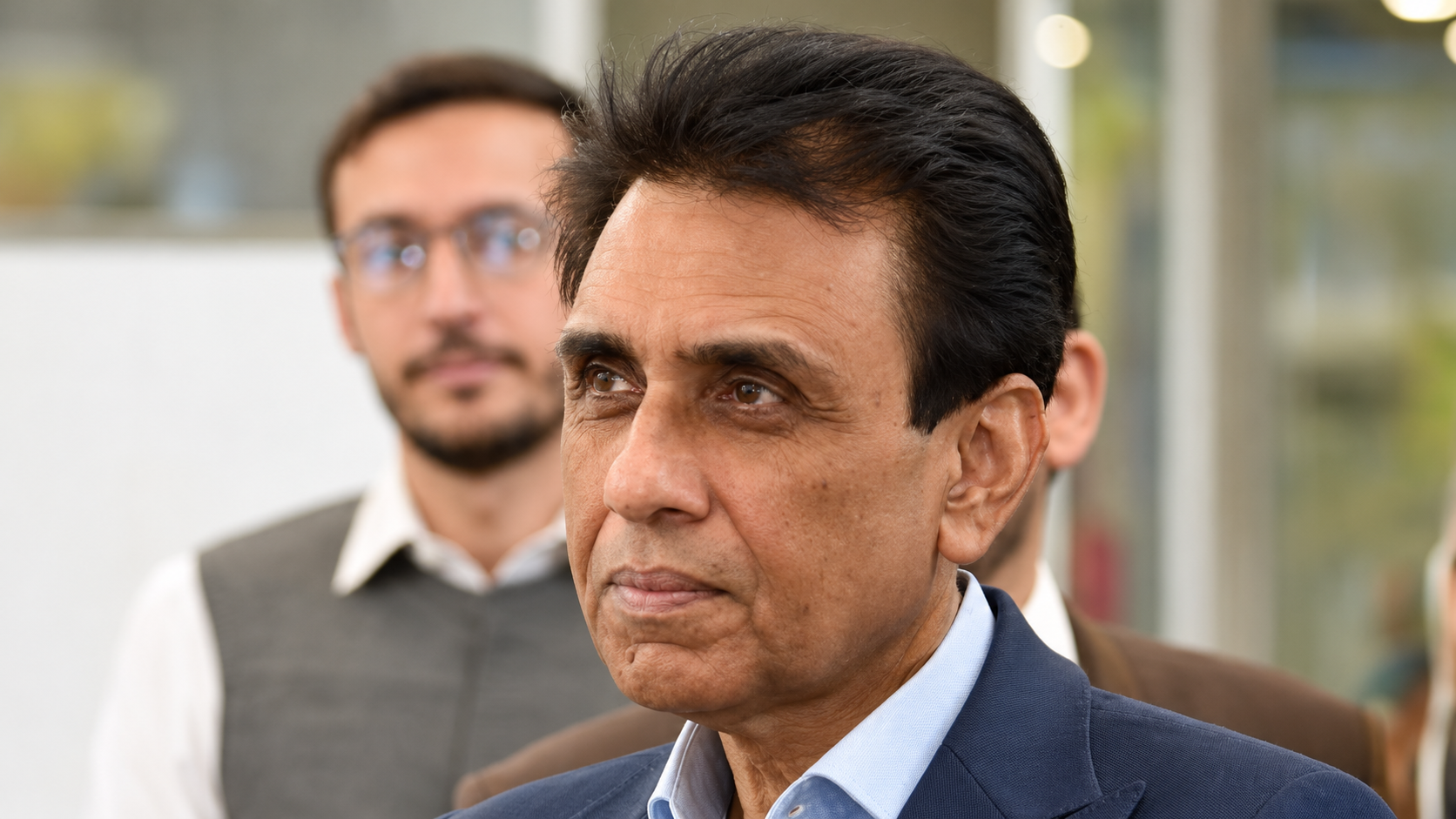
Karachi: Muttahida Qaumi Movement Pakistan (MQM P) Chairman Khalid Maqbool Siddiqui said the people of urban Sindh are “not anyone’s serfs” and “not slaves,” accusing the Pakistan Peoples Party (PPP) of denying the province’s cities a fair say in public spending and administration.
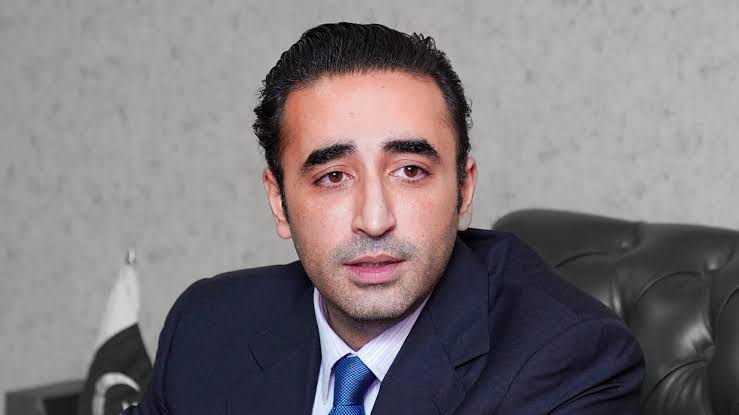
Siddiqui challenged PPP Chairman Bilawal Bhutto Zardari over his warning that an attempt to divide Sindh by force could lead to bloodshed. He asked why a nationwide debate on new provinces should raise the prospect of violence in Karachi, Hyderabad, Mirpur Khas and Nawabshah.
He characterised Bilawal's remarks as a threat to an entire community and urged law enforcement authorities to take notice. He also called for the courts to intervene on their own motion.
Bhutto Zardari opposed a referendum on new provinces. His warning referred specifically to an attempt to divide Sindh by force.
Siddiqui said the MQM P never called for a province exclusively for Karachi or for the Muhajir community. He said the party wanted new provinces wherever population growth and administrative needs justified them.
He argued that urban Sindh nevertheless has the strongest historical, economic and administrative case for a province.
The MQM P chairman criticised what he called “feudal democracy”, saying hereditary politics allowed leadership to pass through families. He questioned whether landlords could adequately represent farmers or business owners could speak for workers.
He also argued that the quota system had entrenched the divide between rural and urban Sindh rather than addressing disadvantage consistently across the country.
Siddiqui claimed Karachi generated 97 per cent of Sindh’s revenue while its residents had little say over how it was spent. He did not substantiate the figure in the speech.
He called on the Sindh government to account for its spending, including funds received through the National Finance Commission (NFC), and questioned how provincial spending translated into better schools or lower poverty.
Senior MQM P leader Farooq Sattar separately called for a nationwide referendum in December.
Under Article 239 of the Constitution, however, any amendment changing Sindh’s boundaries would require a two thirds majority of the total membership of each house of Parliament and a two thirds majority of the total membership of the Sindh Assembly.