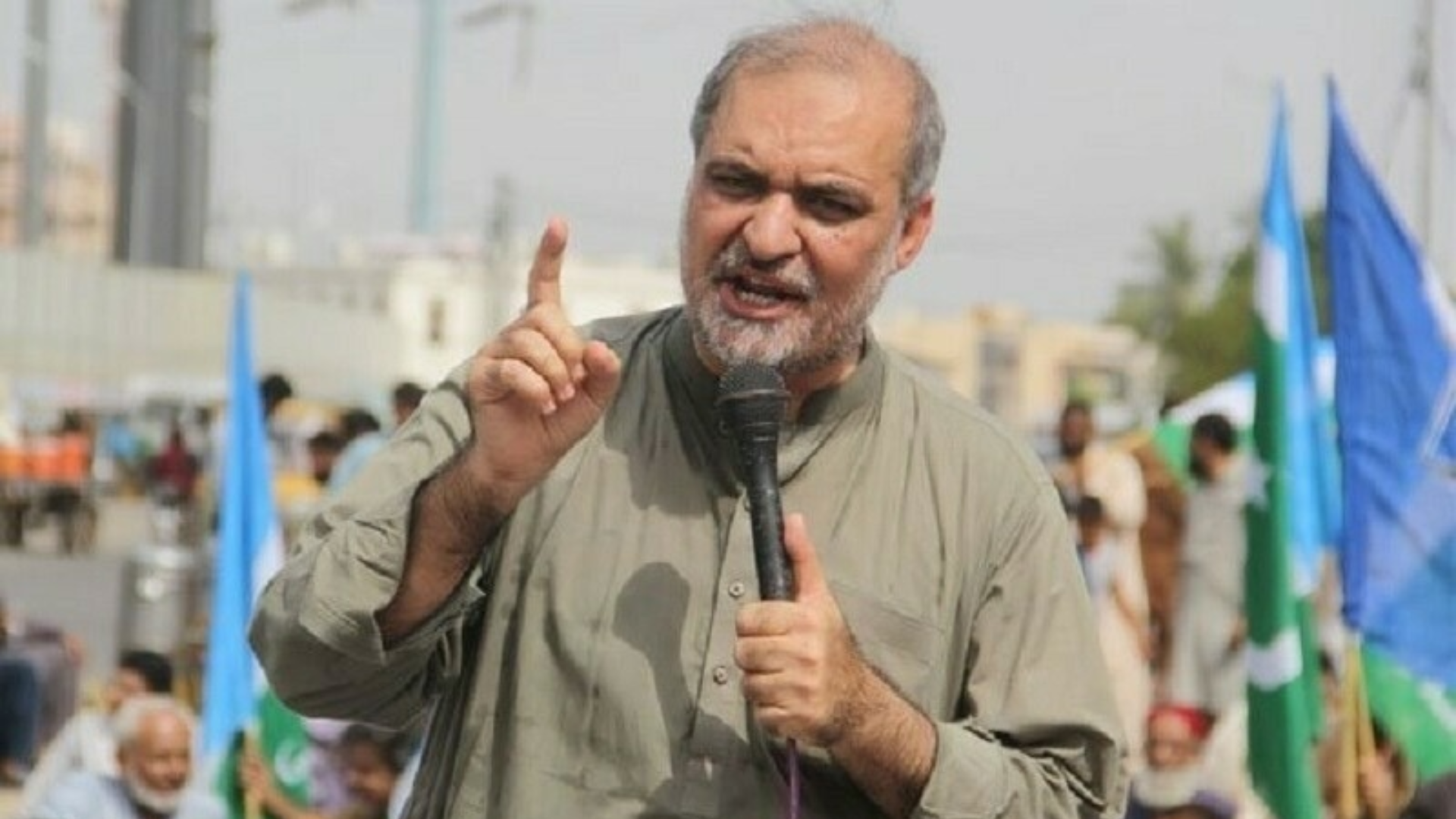
Karachi: Jamaat e Islami (JI) chief Hafiz Naeem ur Rehman accused powerful business groups of influencing Pakistan's economy for their own financial gain, alleging that successive governments protected influential interests while passing the burden of rising prices and taxes onto ordinary citizens.
In recent press conferences, Rehman criticised what he describes as an interconnected network of banks, sugar mills, flour businesses, oil refineries and independent power producers (IPPs).
He alleged that these sectors benefit from government decisions while consumers, farmers and taxpayers bear the financial consequences.
He claimed a small number of individuals kept accumulating wealth while millions of Pakistanis struggled with rising living costs.
Banks and the interest based financial system
The JI chief also criticised Pakistan's banking sector and the government's reliance on interest based borrowing.
At his October 28 press conference, Rehman questioned the government's commitment to eliminating interest, arguing that its financial policies continued to benefit commercial banks.
He alleged that the banking system placed substantial pressure on public finances while allowing financial institutions to protect their profitability.
Rehman linked these concerns to government borrowing costs and the wider financial burden on taxpayers.
His criticism reflects JI's longstanding position that the government should reduce its dependence on interest-based financing and reform public expenditure.
Allegations of political protection
He argued that the burden of taxation and economic adjustment repeatedly fell on ordinary Pakistanis while those with greater financial influence avoided comparable pressure.
Rehman called for reforms to government spending, taxation, petroleum pricing, and the electricity sector, arguing that economic relief requires confronting powerful business interests rather than relying on additional taxes.
His allegations raise questions about market regulation, competition, government subsidies and the transparency of commercial relationships with the state.
However, the accusations against business sectors and political actors remain his claims and should not be treated as established findings of corruption without supporting investigations or documentary evidence.