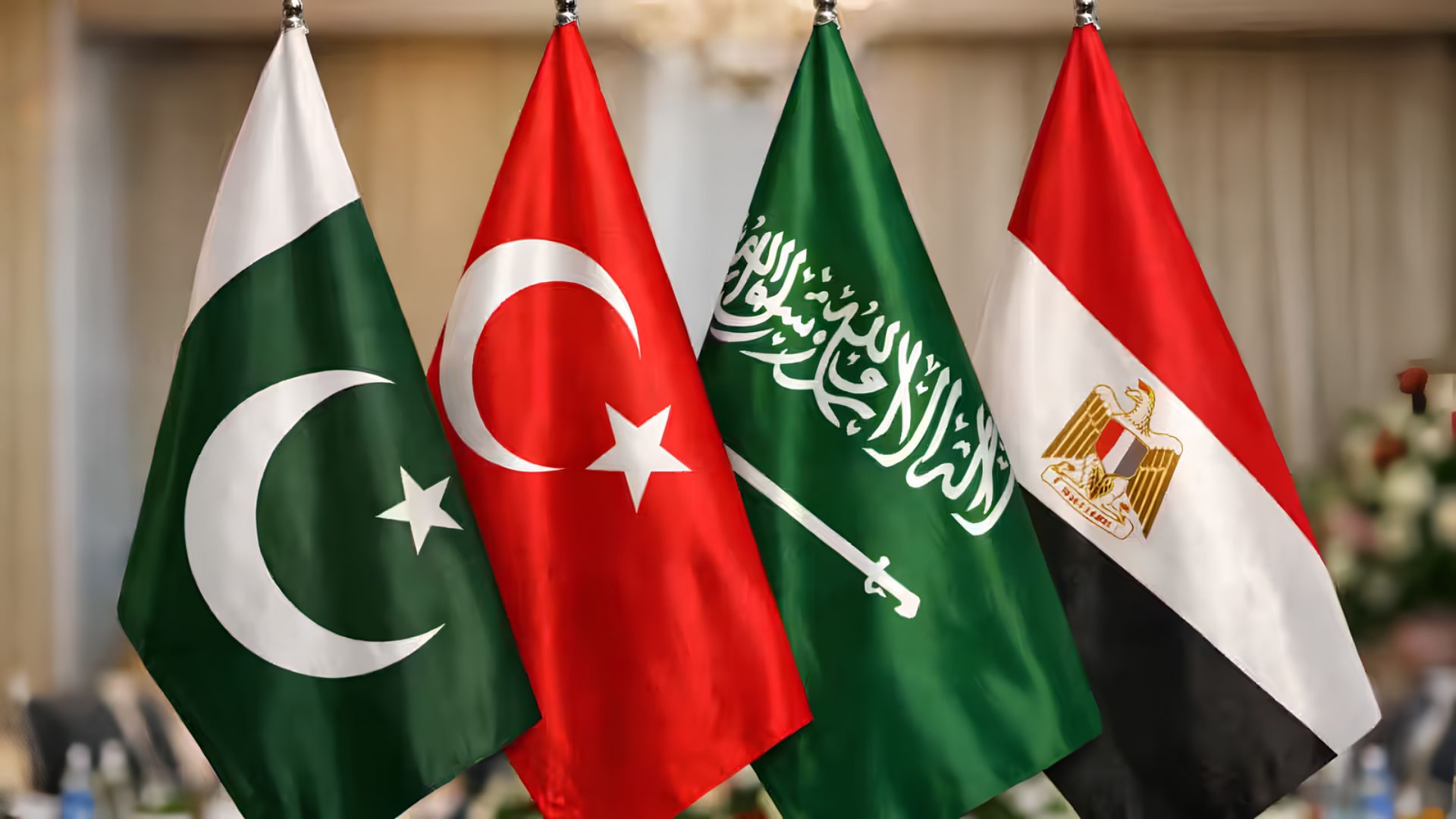
Istanbul: Pakistan, Türkiye, Saudi Arabia and Egypt have backed the Pakistan brokered understanding between Iran and the US, coupling their endorsement with a demand to restore safe passage through the Strait of Hormuz.
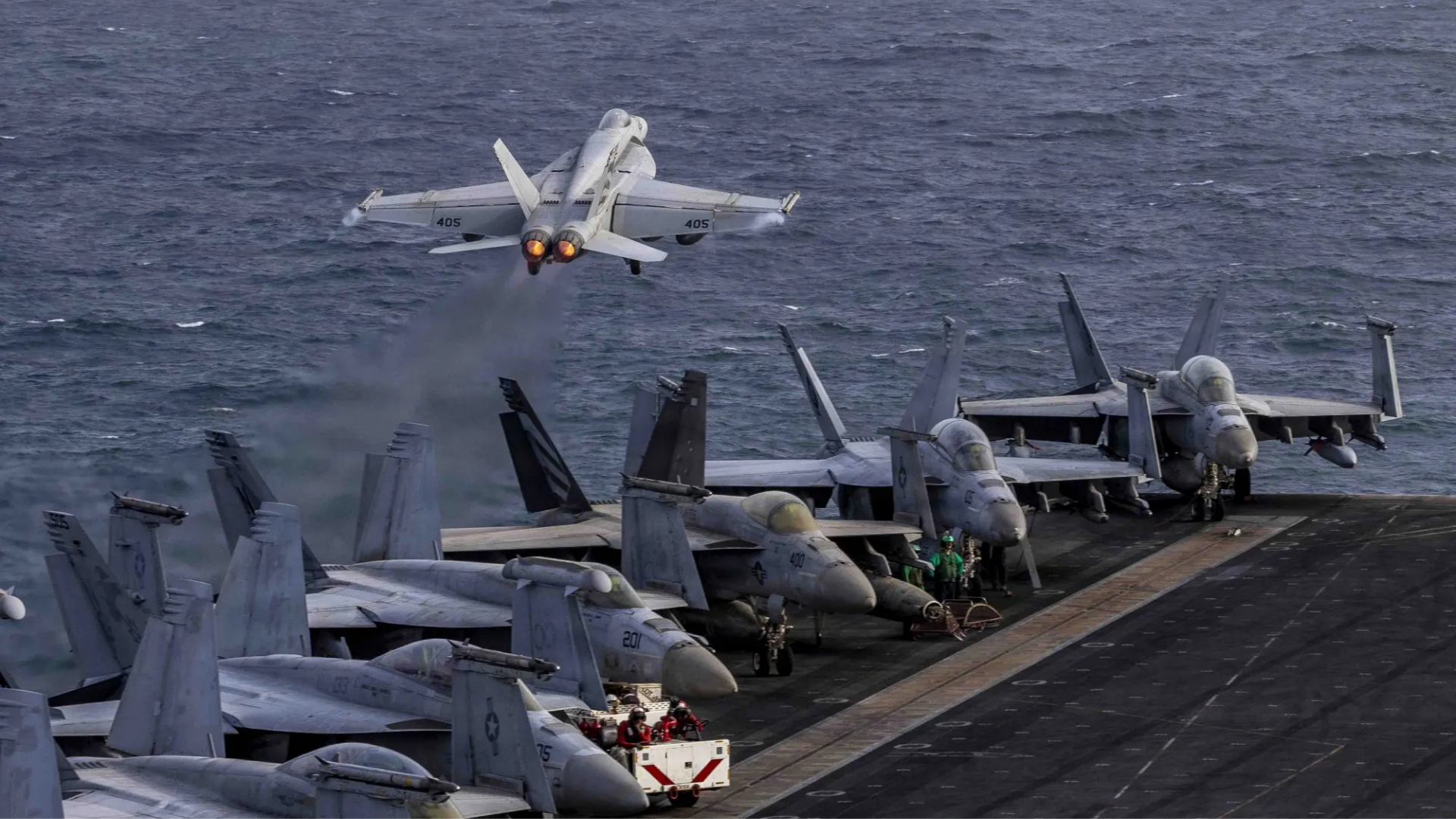
Meeting on Friday, the foreign ministers of Pakistan, Türkiye, Saudi Arabia and Egypt called for a negotiated settlement and opposed further escalation. Their joint statement urged protection of civilians and civilian infrastructure, including vessels.
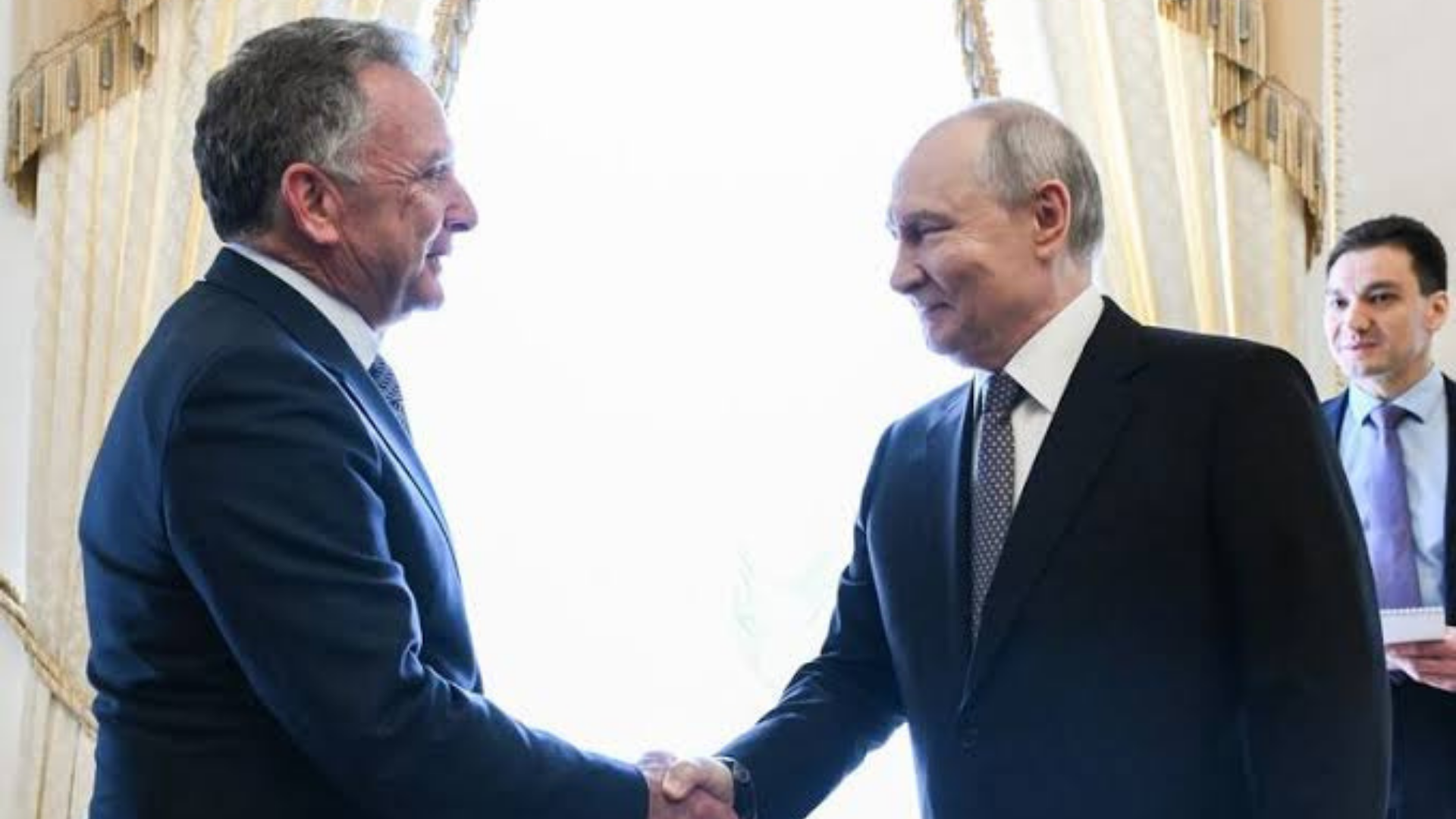
The meeting brought together Ishaq Dar, Hakan Fidan, Prince Faisal bin Farhan and Badr Abdelatty as concerns grew over another round of military action against Iran.
What is the Islamabad MoU?
The MoU is the framework behind earlier US Iran diplomatic engagement mediated by Pakistan and Qatar. A June 22 joint statement from the two mediators recorded talks in Switzerland under that framework and the establishment of a communication line intended to reduce incidents and misunderstandings affecting commercial shipping through Hormuz.
Friday’s endorsement provides diplomatic backing for that process. It does not, by itself, announce a new agreement between Washington and Tehran or establish that disputed commitments have been implemented.
Why shipping is central
The R4 ministers called for safe, secure and unrestricted passage through Hormuz, rejecting restrictions on lawful navigation.
The strait connects the Gulf with the Gulf of Oman and the Arabian Sea. Its significance extends beyond oil: disruption can affect shipping schedules, insurance costs and deliveries of energy, food and fertiliser.
The ministers separately condemned Houthi attacks against Saudi Arabia and commercial shipping in the Red Sea and Bab al Mandeb. These are distinct maritime areas, meaning insecurity can affect more than one major trade corridor.
They expressed solidarity with Saudi Arabia and Yemen’s internationally recognised government and urged the Houthis to halt military operations and return to a political process.
Eight countries, separate commitments
France, Germany, Britain and Italy joined the expanded consultations. Although earlier announcements used R4+E3, Italy’s participation made the gathering an eight country consultation. Pakistan’s official account also confirmed the participating ministers subsequently met President Recep Tayyip Erdoğan.
The R4 statement should not be treated as a joint declaration by all eight participants.
Nor is R4 identical to the Makkah Joint Defence Agreement, whose partners are Pakistan, Türkiye and Saudi Arabia. Pakistan’s Foreign Office said Islamabad and Riyadh had completed ratification, while Ankara’s domestic process remained underway, according to The Express Tribune.
On Palestine, the R4 called for uninterrupted aid and reconstruction in Gaza and reaffirmed support for a Palestinian state along the June 4, 1967 lines, with East Jerusalem as its capital.
The gathering strengthens coordination around existing diplomatic efforts. Whether it restrains military escalation or changes conditions for shipping will depend on subsequent decisions by the parties to the conflicts.