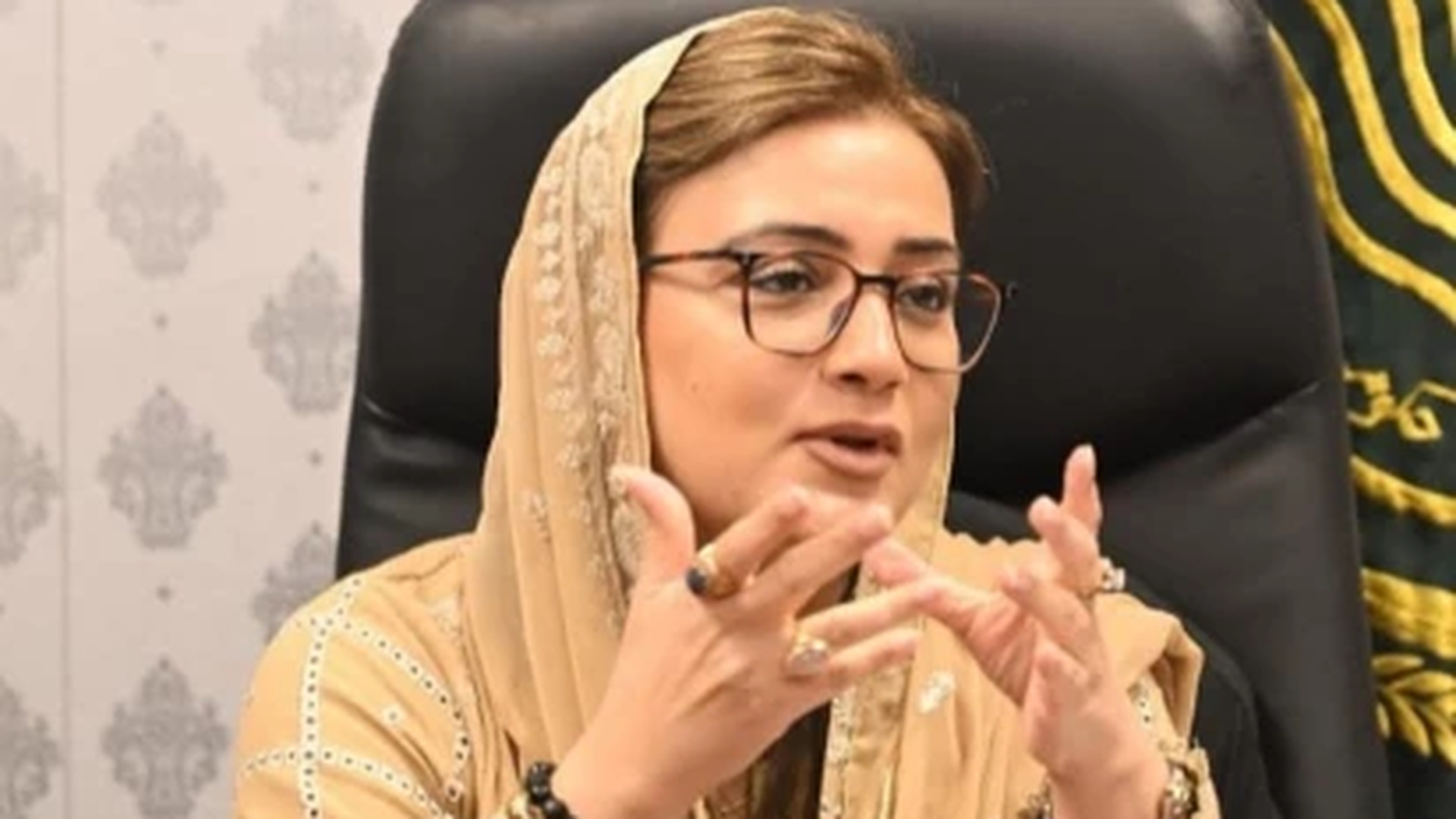
Lahore: Punjab plans to introduce its own anti rape legislation and establish special courts to hear sexual violence cases, Information Minister Azma Bokhari said on Monday, November 16. Speaking at a press conference in Lahore, she cited a rise in reported offences against women and children and said only 0.77 per cent of rape cases resulted in convictions in 2025.
The announcement followed a law and order meeting at which Chief Minister Maryam Nawaz requested figures on offences against women and children. Bokhari said the government would also monitor areas where police had received more complaints of domestic violence. She did not give a timetable for introducing the bill or say how the proposed courts would operate alongside those designated under federal law.
Pakistan’s Anti Rape (Investigation and Trial) Act, 2021, already provides for special courts, investigation teams and protections for victims and witnesses. Courts in Punjab have been designated under that law. Bokhari did not specify what powers or procedures the provincial legislation would add.
Police figures reported in January showed that 13,820 sexual assault cases involving women and children were registered across Punjab in 2025, including 1,576 in Lahore and 945 in Faisalabad. That total covers sexual assault offences more broadly and is not the same as the number of rape cases. Bokhari did not say whether the conviction rate was based on cases registered in 2025 or those decided by courts that year.
Punjab Police was preparing in January to set up a unit within its Crime Control Department (CCD) to investigate sexual offences. A police review had found that problems with coordination, gaps in specialist training and delays in forensic work were holding up investigations. Those problems arise before a case reaches court, and Bokhari did not say whether the bill would change how police collect evidence or work with prosecutors.
Bokhari said 1.24 million women had contacted Punjab’s Virtual Police Station and that most complaints involved domestic violence. She said the service had secured justice in 92 per cent of cases but did not define what counted as a resolution. The figure measures outcomes reported by the service and cannot be compared directly with a court conviction rate.