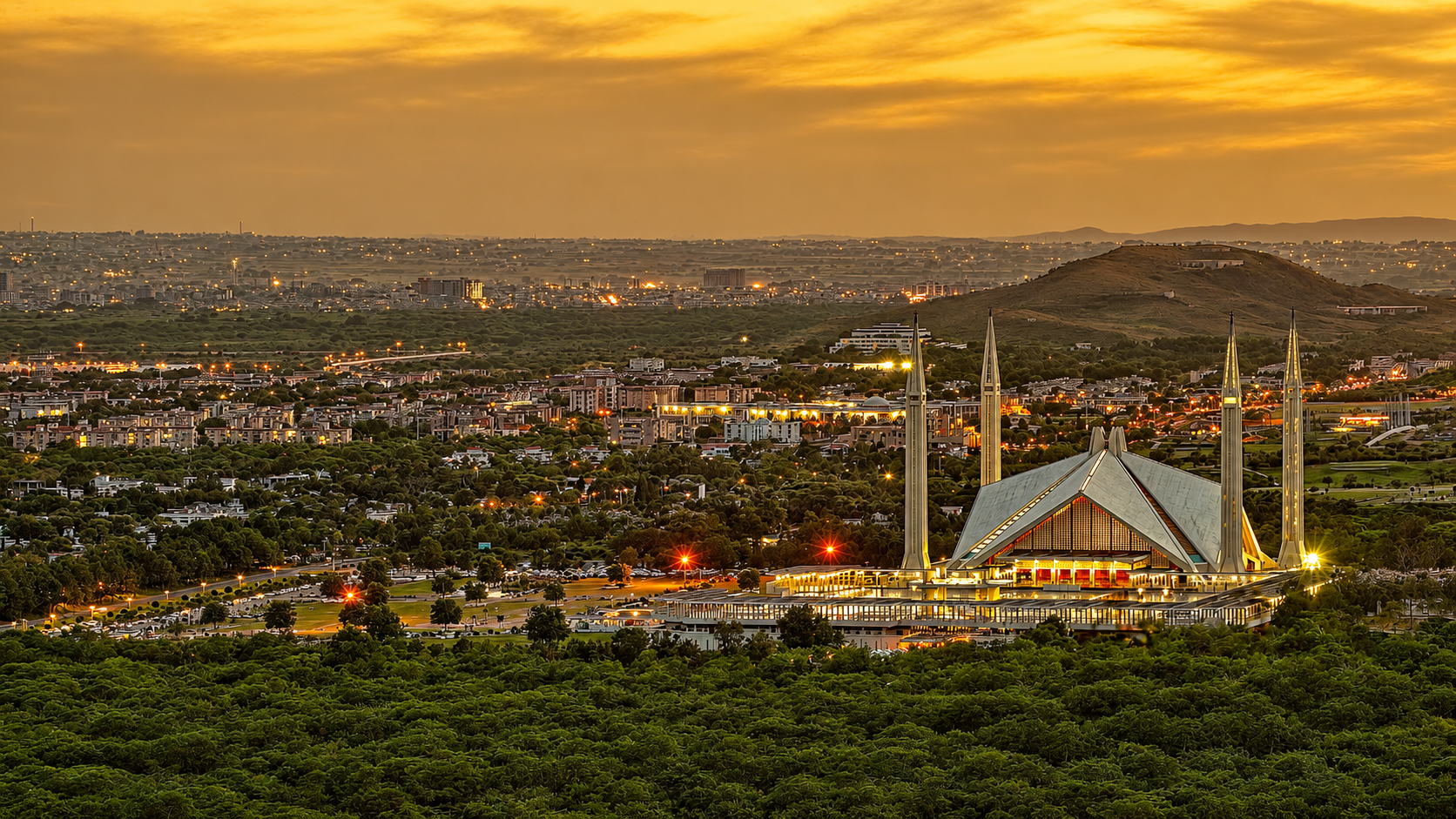
Islamabad: Pakistan will host the 30th meeting of the Economic Cooperation Organization (ECO) Council of Ministers in Islamabad on November 15 and 16, bringing together foreign ministers and delegations from member states to discuss regional trade, connectivity and economic integration.
Deputy Prime Minister and Foreign Minister Ishaq Dar will chair the meeting, which will also be attended by representatives of the ECO Secretariat and its subsidiary bodies, the Foreign Office said on Saturday.
The ministerial session will be preceded by a meeting of senior officials from member countries. They will review the organisation's programmes, assess the performance of its subsidiary bodies and finalise the agenda and draft documents for consideration by foreign ministers.
Pakistan holds the ECO chairmanship for 2026 to 27 and will lead discussions under the theme Reviving Regionalism for a Resilient ECO. According to the Foreign Office, Islamabad intends to use its chairmanship to strengthen trade links, improve transport networks and encourage cooperation among member countries. The government also aims to position Pakistan as a transit and logistics hub connecting Central Asia, South Asia and the Middle East.
The meeting comes as ECO member states seek to improve economic cooperation across a region where cross-border trade and transport remain constrained by infrastructure gaps, regulatory barriers and political differences.
Established in 1985 by Pakistan, Iran and Türkiye, the ECO expanded in 1992 to include Afghanistan, Azerbaijan, Kazakhstan, Kyrgyzstan, Tajikistan, Turkmenistan and Uzbekistan. The organisation now comprises 10 member countries and provides a platform for cooperation in trade, transport, energy and economic development.
Pakistan's geographical position gives it a potential role in connecting landlocked Central Asian economies with international markets through its road networks, railways and seaports.
However, translating regional connectivity proposals into trade growth depends on improvements in infrastructure, customs procedures and cooperation between neighbouring states. The Foreign Office said Pakistan's chairmanship would focus on developing partnerships and facilitating supply chains to support regional economic activity.
Foreign Minister Ishaq Dar welcomed the visiting delegations in a message posted on X, expressing hope that the discussions would strengthen cooperation among member states.
“I look forward to productive deliberations as we work together to strengthen regional cooperation and advance our shared priorities,” Dar said. Among the arrivals was Tahsin Ertuğruloğlu, foreign minister of the Turkish Republic of Northern Cyprus, who was received by Foreign Ministry officials at Islamabad airport.
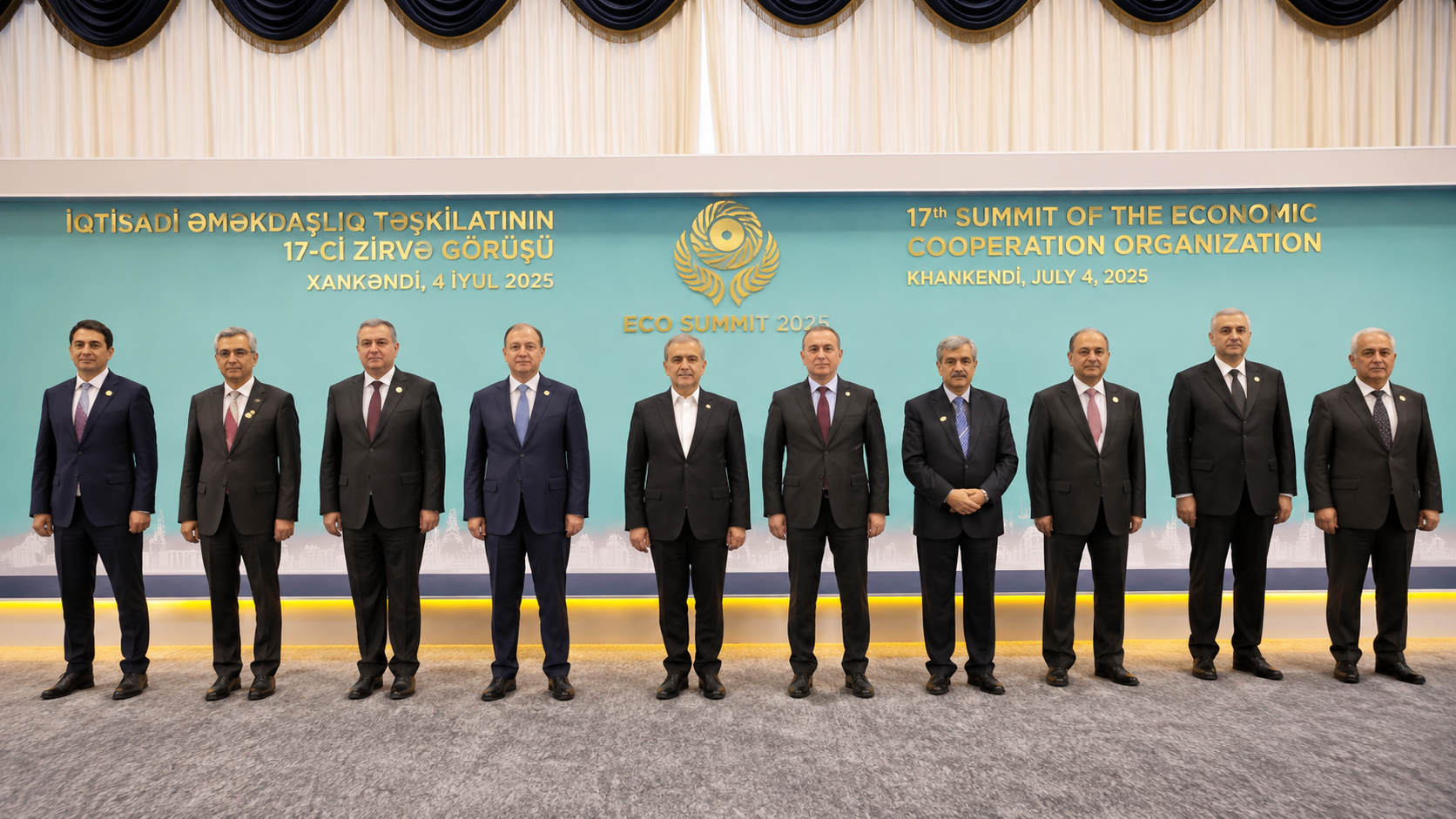
The Foreign Office has not yet announced the complete list of participating ministers or the agreements expected to emerge from the meeting. The Islamabad meeting follows the 17th ECO Summit, held in Khankendi, Azerbaijan, on July 3 and 4, 2025, where Prime Minister Shehbaz Sharif led Pakistan's delegation.
At that summit, Pakistan called for increased trade among member countries, improvements in transport connectivity, cooperation in the energy sector and progress on sustainable development.
Islamabad also reaffirmed its commitment to the organisation's ECO Vision 2025 framework. The Council of Ministers serves as the organisation's principal policy and decision making body, providing a forum for member states to review regional priorities and coordinate their economic cooperation programmes.
The November meeting will allow Pakistan to outline its priorities for the 2026 to 27 chairmanship and seek support from member countries for initiatives involving trade facilitation, logistics and regional integration. The outcome will depend on the commitments adopted by participating states and their implementation through the ECO's institutions.