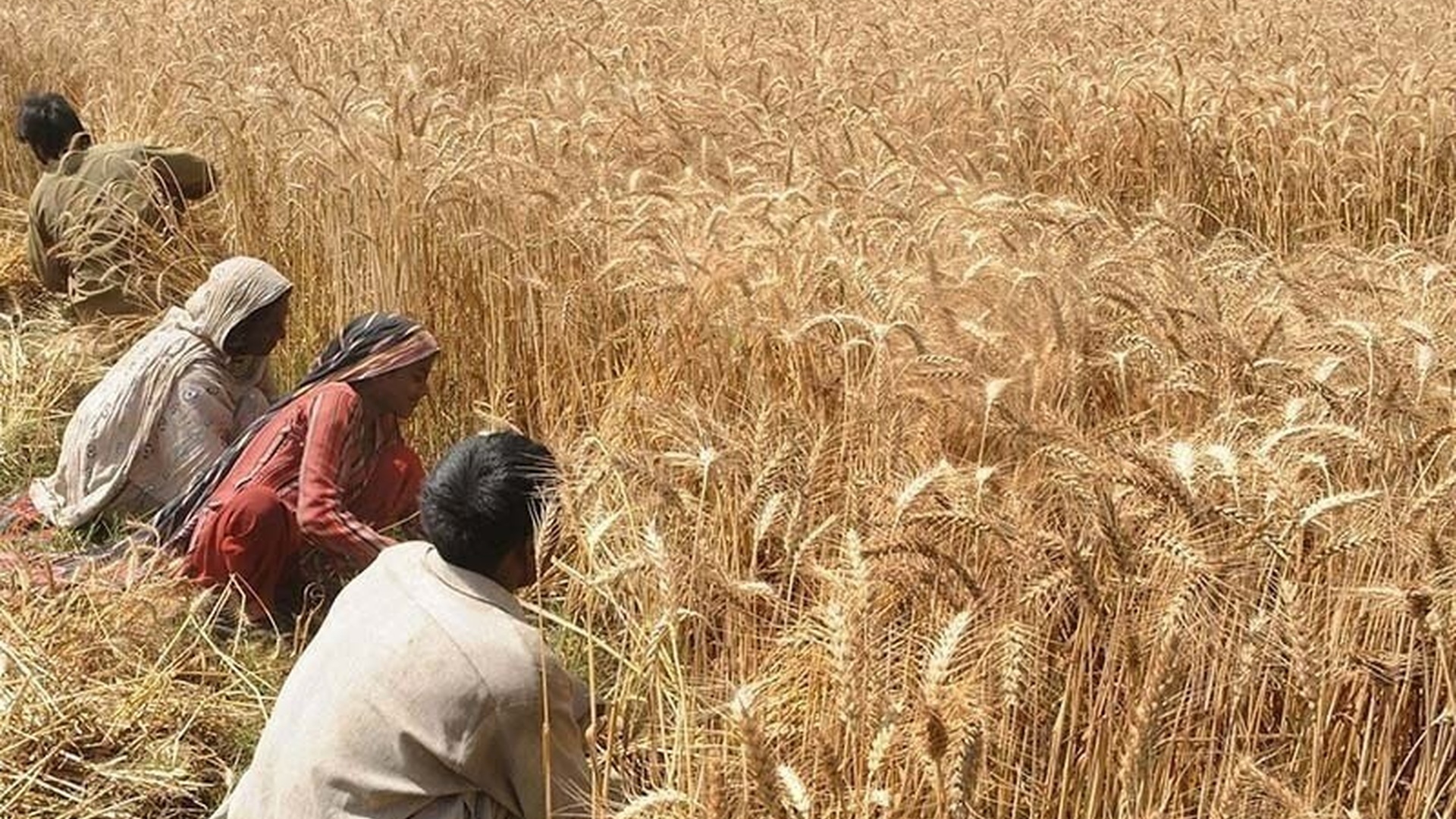
Lahore: Kisan Board Pakistan (KBP) urged the federal government on Sunday, November 15, to extend the Prime Minister’s Fuel Relief Scheme to farmers, saying diesel costs were raising the cost of growing wheat. The group said the government had yet to act on a commitment it made during talks with Jamaat i Islami (JI) over the petroleum levy.
In a statement, KBP Vice President Amanullah Chattha said farmers had already faced diesel prices above Rs 400 per litre during the rice harvest. The government kept the price of high speed diesel at Rs 360 per litre in its November 13 review, even as it cut petrol by Rs 2 per litre. Chattha said fuel costs remained a burden for wheat growers.
Diesel is used to run tractors for preparing fields and sowing, as well as pumps where farmers rely on diesel for irrigation. The board’s demand concerns fuel used for farming, which was not covered by the scheme as announced in September. The programme initially offered a subsidy of Rs 100 per litre, subject to monthly limits, to owners of motorcycles, rickshaws and cars with engines of up to 800 cubic centimetres.
After the tenth round of talks on November 10, JI deputy chief Liaqat Baloch said the two sides had agreed on the outlines of a relief package but had yet to settle the terms. He said the party had proposed extending the scheme to the agriculture sector, including tractors. The government’s account of the talks referred to further consultations and did not set out eligibility rules or a start date for farmers.
Chattha warned that unless the government contained production costs, Pakistan could have to spend more foreign exchange on wheat imports to meet demand. He referred to an import order for one million tonnes of grain. Dawn reported in September that the government had ordered one million tonnes of wheat, with 750,000 tonnes due for delivery in November.
Punjab announced its wheat sowing target earlier this month. The target measures how much land the province wants farmers to plant. Chattha’s warning concerns what growers will spend to cultivate that acreage and whether domestic production will be enough to limit the need for imports.