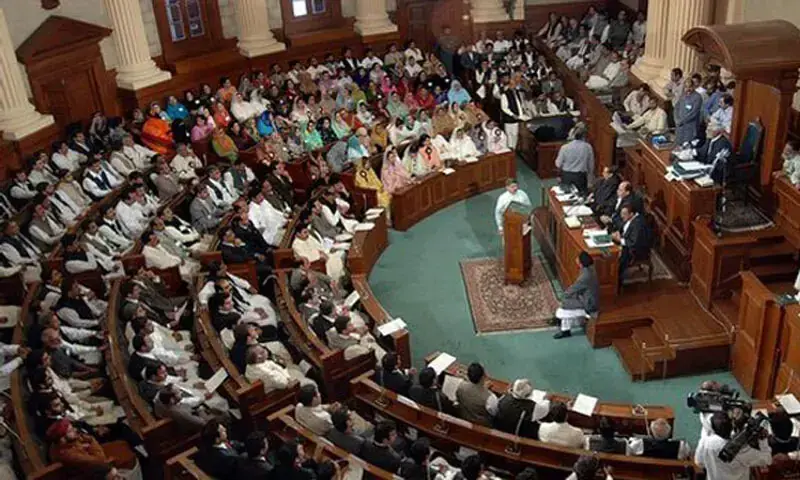
Lahore: Pakistan Tehreek e Insaf (PTI) lawmaker Rana Aftab Ahmad Khan has accused the Punjab government of rushing bills through the provincial assembly to expand its powers without giving lawmakers enough time to scrutinise them.
Khan, who represents constituency PP 108, set out his objections in a letter to Speaker Malik Muhammad Ahmad Khan on November 19. He alleged that the government had skipped consultations and disregarded objections from the opposition. He said the Assembly should examine what powers a bill gives the government and what safeguards it provides for people affected by its decisions.
The lawmaker cited constitutional provisions on treatment in accordance with the law, the right to a fair trial, human dignity and the freedoms of assembly, association and expression. He argued that the government could not use provincial legislation to override those protections. He said the opposition was not against changes to how the province was run, but objected to measures it believed would weaken oversight and restrict dissent.
The Punjab Control of Habitual Offenders and Anti Social Behaviour Bill 2026 was introduced on June 8. The draft would have allowed district intelligence committees to recommend measures such as freezing bank accounts or blocking identity cards. It also set out ways to challenge decisions, including an appeal to a tribunal. The draft said the measures were intended to address public nuisance and prevent crime.
The Assembly’s law committee approved the draft in June, but Chief Minister Maryam Nawaz later ordered it to be redrafted after lawmakers raised objections. The speaker told the House that it would go back to the Law Department and the cabinet before returning to the Assembly. The November 19 report on Khan’s letter did not say whether a revised bill had been introduced.
Khan also cited the Punjab Enforcement and Regulatory Authority (PERA), which was established under a separate law in 2024. Its remit includes removing encroachments, curbing hoarding and enforcing price controls. Khan argued that the use of such enforcement powers needed safeguards against misuse.