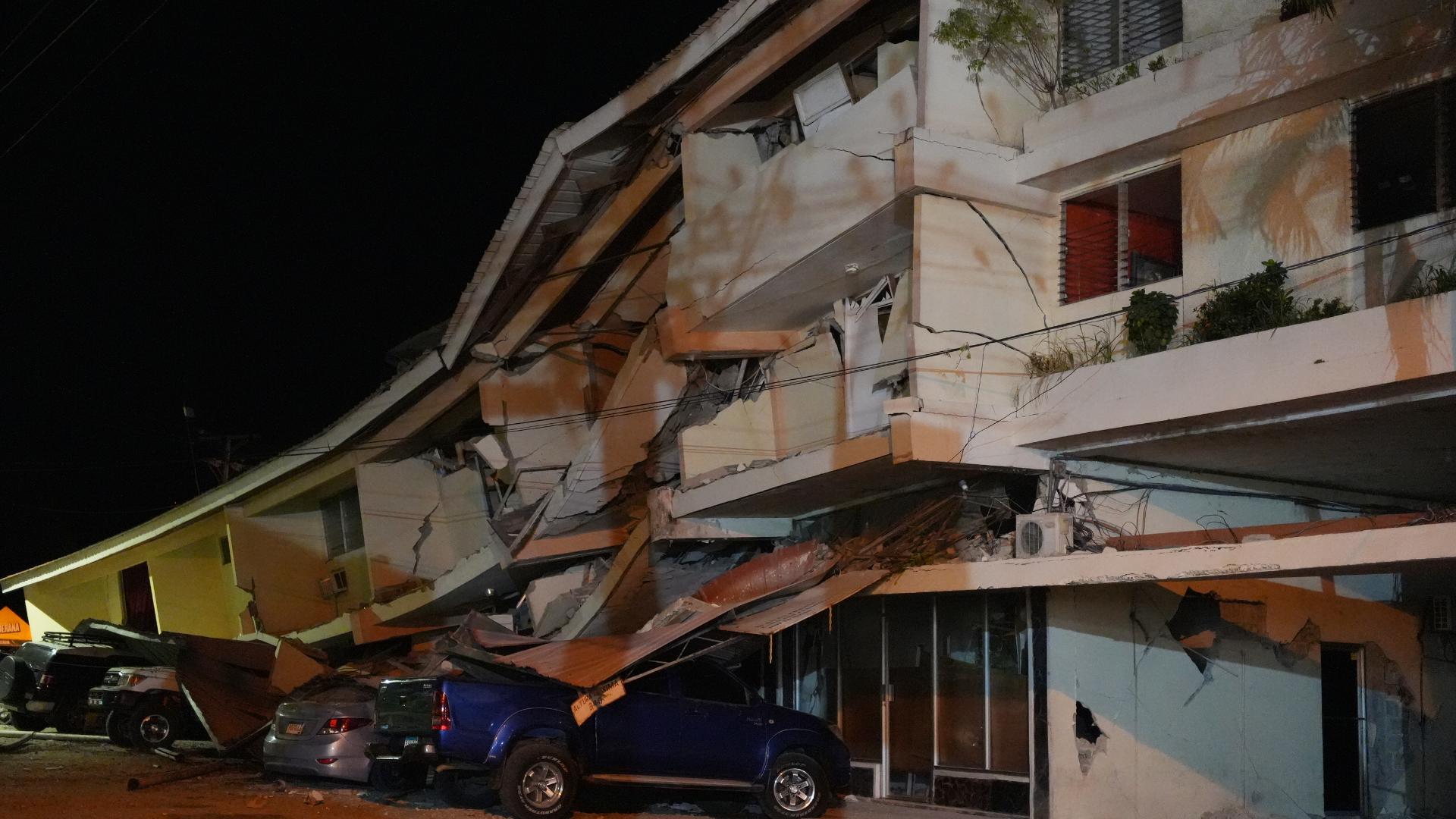
Panama City: At least 27 people suffered minor injuries and more than 400 buildings were affected by Panama’s powerful October 9 earthquake, according to the latest civil protection assessment reported on October 10.
No deaths or missing people were reported. Damage included 142 homes, 188 schools and 20 health facilities across nine provinces. Approximately 300 coastal residents were evacuated, while damaged roads, bridges and landslides left five communities isolated.
The US Geological Survey measured the main earthquake at magnitude 7.7. Panama’s geosciences institute subsequently reported 7.5, illustrating that assessments can differ as seismic data are reviewed. More than 100 aftershocks had been recorded, according to the updated account.
The Panama Canal reported normal operations after the earthquake. Tocumen International Airport resumed flights following a temporary suspension, while electricity disruptions affected six provinces.
Water infrastructure also sustained damage. An earlier government assessment said the treatment plant supplying the capital was operating at 20 per cent capacity.
Panama experiences earthquakes because of interacting tectonic plates, particularly near its Costa Rican border and Pacific coast. However, major destructive earthquakes are less frequent.
A magnitude 7.4 earthquake centred in neighbouring Costa Rica in 1991 killed 23 people and injured 559 in Panama, leaving thousands homeless in the Bocas del Toro region.
Panama’s geosciences institute attributed the latest earthquake to accumulated stress within the Azuero Sona fault system.
There is no established climate change explanation for this earthquake. Its reported cause is tectonic movement; USGS guidance also finds no consistent relationship between earthquakes and weather conditions. The immediate concerns are aftershocks, structural safety and restoring essential services.