Islamabad: The federal government introduced a temporary petroleum pricing arrangement requiring domestic oil refineries to absorb an estimated Rs 15 billion in additional costs over 30 days. Officials say the measure prevented a Rs 15 per litre increase in petrol prices.
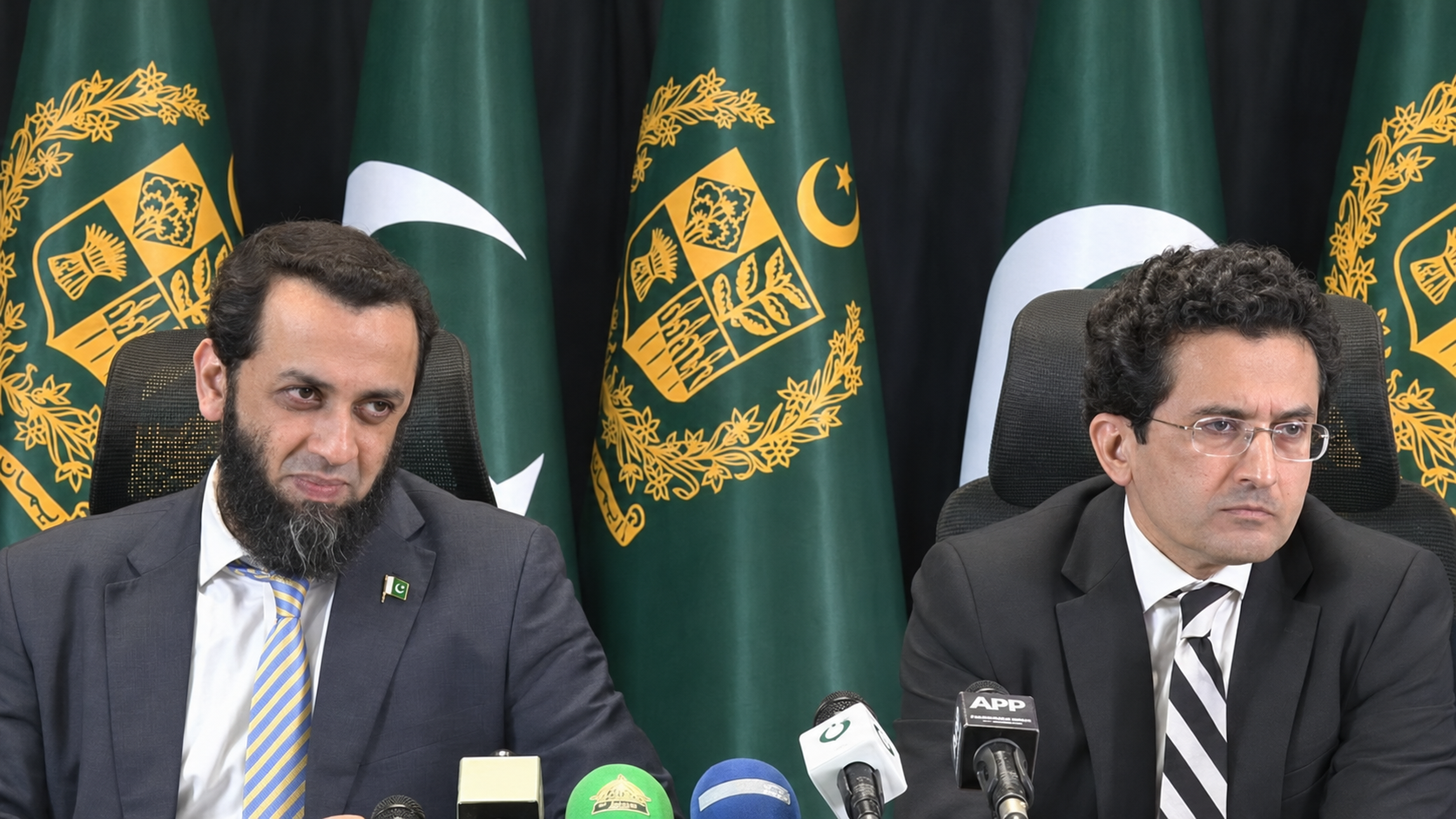
Petroleum Minister Ali Pervaiz Malik announced the decision at a Monday press conference alongside Information Minister Attaullah Tarar, citing rising import costs due to the ongoing conflict between the United States and Iran.
Malik said that Prime Minister Shehbaz Sharif sought cooperation from local refineries to protect consumers from another fuel price rise.
According to the minister, the refineries earned unusually high profits over the previous three months because the government helped them maintain production and secure crude oil supplies.
He said the temporary arrangement would allow petrol to be sold approximately Rs 15 per litre below the price that would otherwise apply under international market conditions.
Refineries to absorb Rs 15 billion over 30 days
Under the revised pricing mechanism, refineries will contribute approximately Rs 50 per litre to the petroleum levy, resulting in an estimated financial impact of Rs 15 billion per month.
The government linked the calculation to petroleum pricing benchmarks from 7 March, before import premiums increased sharply.
Malik said petrol import premiums, previously around USD 5 to USD 6 per barrel, rose above USD 20. Recent Pakistan State Oil tenders attracted premiums of USD 25 to USD 30 per barrel or higher.
He attributed the increase to higher freight charges, insurance costs and disruptions to energy shipments caused by the Middle East conflict.
Pakistan imports about 70 per cent of its petrol requirements, while domestic refineries supply the remaining 30 per cent.
The minister described the intervention as temporary and said the government intended to return to market deregulation once regional conditions were stabilised.
Refinery executive disputes government's claim
According to industry estimates, the petroleum ministry directed refineries to give up pricing differentials under the revised formula, potentially adding up to Rs 49 per litre to the cost of locally produced petrol.
Malik acknowledged concerns over the pricing changes and said he would meet refinery representatives on Tuesday to discuss their objections.
The disagreement raises questions about how the financial burden will be shared and whether the temporary mechanism can continue beyond its initial 30 day period.
Government reports Rs27 billion in fuel subsidies
Information Minister Attaullah Tarar said that more than 15 million people registered for the Prime Minister's Fuel Relief Scheme.
According to the minister, the programme disbursed about Rs 27 billion, providing subsidised petrol to eligible motorcycle riders, rickshaw operators, and small car owners.
Under the scheme, registered motorcycle users receive a weekly concession of Rs 500, while eligible car owners with engines up to 800cc can buy 10 litres of petrol every 10 days at a discount of Rs 100 per litre.
Tarar also said Pakistan possesses sufficient petroleum stocks and that there is no immediate risk of a nationwide fuel shortage.
Malik said domestic gas supplies for cooking hours were secured for November, with arrangements for December and January still being finalised.
The refinery pricing intervention comes as the government seeks to contain fuel costs without disrupting petroleum imports. Its continuation beyond the initial period remains uncertain, particularly given the industry's objections and ongoing volatility in international energy markets.