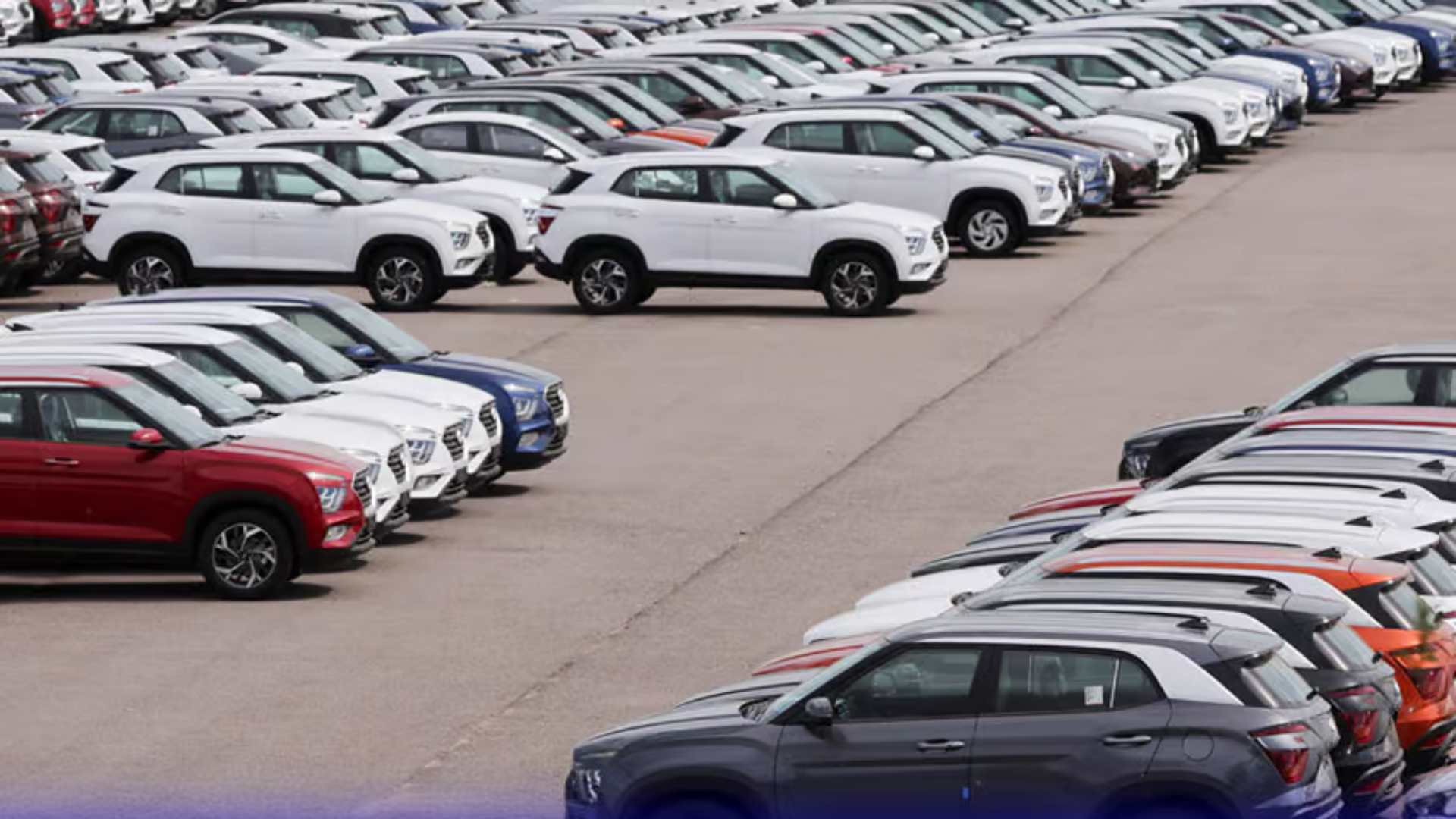
Islamabad: Pakistan's proposed automobile policy could lower car prices for consumers while pressuring domestic parts manufacturers, exposing a growing divide over the future of the country's automotive industry.
The Automotive and Auto Parts Manufacturing Policy 2026 to 2031 aims to boost local vehicle production, increase exports, and accelerate electric vehicle adoption through reduced import duties and tax incentives.
The government projects USD 17.7 billion in savings from local manufacturing over five years, plus USD 6.9 billion in benefits from electric vehicle adoption. Together, the estimates total about USD 24.6 billion.
The proposed policy also targets cumulative vehicle and auto parts exports of USD 6 billion by 2030 to 2031, compared with current annual exports of approximately USD 190 to USD 200 million.
For consumers, the most immediate appeal could be lower vehicle prices.
Industry estimates suggest conventional petrol cars could become 8 to 10 per cent cheaper, while hybrid vehicles may fall by around 9 per cent. Prices of some plug in hybrid models could fall by more than 20 per cent.
The draft proposes preferential sales tax rates of 1 per cent for battery electric vehicles, 6 per cent for range extended electric vehicles and 9 per cent for plug in hybrids.
However, these are proposed measures, and the estimated price reductions are not guaranteed.
The policy already attracted objections from the Pakistan Association of Automotive Parts and Accessories Manufacturers (PAAPAM).
In a letter dated October 23 to Prime Minister Shehbaz Sharif, the association warned that reducing duties on imported vehicles and automotive components could undermine domestic manufacturing.
PAAPAM chairman Abdul Rehman Aizaz said the local parts industry comprises more than 1200 companies and supports approximately 1.5 million jobs.
He also cited USD 1.8 billion in annual import substitution and Rs 700 billion worth of locally manufactured components supplied to vehicle assemblers.
The disagreement reflects a wider economic dilemma. Lower import duties could spur competition and expand consumer choice, especially as Chinese electric vehicle manufacturers expand their presence in Pakistan.
For domestic suppliers, the concern is not simply whether imported cars become cheaper. It is whether locally manufactured components can remain competitive as tariff protection declines.
The draft estimates that electric vehicle adoption could generate USD 6.9 billion in combined benefits through reduced fuel imports, electricity use and other economic and environmental gains.
Prime Minister Shehbaz Sharif has approved the draft, but the process still requires further cabinet-level consideration and review by the International Monetary Fund.
The central challenge is whether Pakistan can make vehicles more affordable without weakening the manufacturing base it hopes to expand.