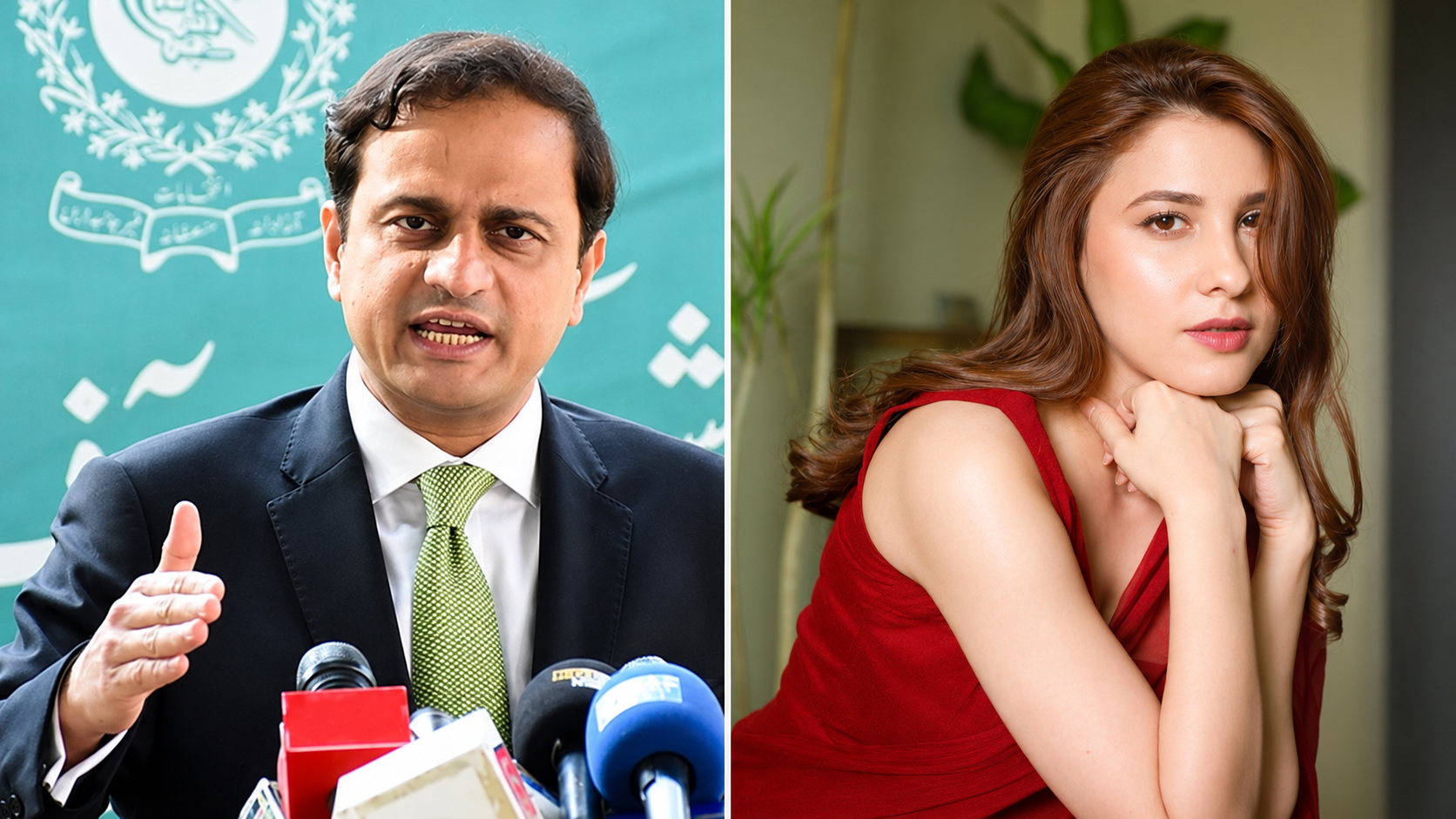
Karachi: Karachi Mayor Murtaza Wahab has responded to actress Hina Altaf's criticism of women's safety in the city, saying conditions have improved compared with two decades ago, when violence, kidnappings, extortion and strikes disrupted life in the provincial capital.
The exchange followed a video Altaf shared on Instagram during her visit to London in late October, shortly before she returned to Pakistan. In the video, the actress said she wanted to enjoy her last breakfast in London before travelling back to Karachi, which she described as a prison for women.
Altaf said women in Pakistan faced restrictions on their movement and could not walk freely on public roads. She also remarked that being a girl in the country felt like committing a crime. Her comments prompted reactions on social media, with some users agreeing with her concerns about women's freedom and others criticising her description of Karachi.

Wahab compares Karachi's present with its past
Speaking at a press conference, Wahab said he did not personally know Altaf but acknowledged that she was entitled to express her opinion about the city. He rejected the suggestion that women could not move freely in Karachi, referring to Sindh Chief Minister Murad Ali Shah's movements through the city's streets without fear.
The mayor argued that discussions about Karachi's security often overlooked the conditions residents faced around 20 years ago. He recalled a period when bodies were found in sacks, businesses faced extortion demands, kidnappings occurred and strikes repeatedly disrupted commercial and public life.
According to Wahab, the security situation has since changed, allowing residents to carry out their activities under conditions different from those experienced during the city's periods of political and criminal violence. He also questioned comparisons between Karachi and London, saying the British capital faced its own security concerns.

Women's freedom remains part of the debate
Although Wahab referred to improvements in Karachi's security, Altaf's comments concerned women's ability to use public spaces without fear or restrictions. The distinction is relevant because a reduction in organised violence does not necessarily address harassment, intimidation or the limitations women may experience while travelling or walking alone.
Karachi has experienced periods of political violence, targeted killings, kidnappings and extortion, particularly during the 1990s and early 2010s. Law enforcement operations subsequently targeted armed groups and criminal networks operating in the city.
However, public safety also depends on whether residents can travel, work, and use recreational spaces without encountering harassment or threats. Altaf's remarks focused on that everyday experience rather than the city's earlier history of organised violence.
The mayor's response, meanwhile, framed the discussion around the changes in law and order Karachi has undergone over the past two decades.
The discussion has also drawn a response from Punjab Women Protection Authority Chairperson Hina Pervaiz Butt, who invited Altaf to Lahore after watching her video. Butt said the Punjab government, led by Chief Minister Maryam Nawaz, was working to improve women's safety and access to public spaces. She maintained that women could move around Lahore without fear and encouraged the actress to experience the city's security arrangements.
The exchange has brought attention to how safety is assessed in Pakistan's cities, particularly the difference between improvements in law enforcement and women's experiences in public places.
While Wahab has defended Karachi's progress, Altaf's comments have kept the question of women's freedom of movement in public discussion.