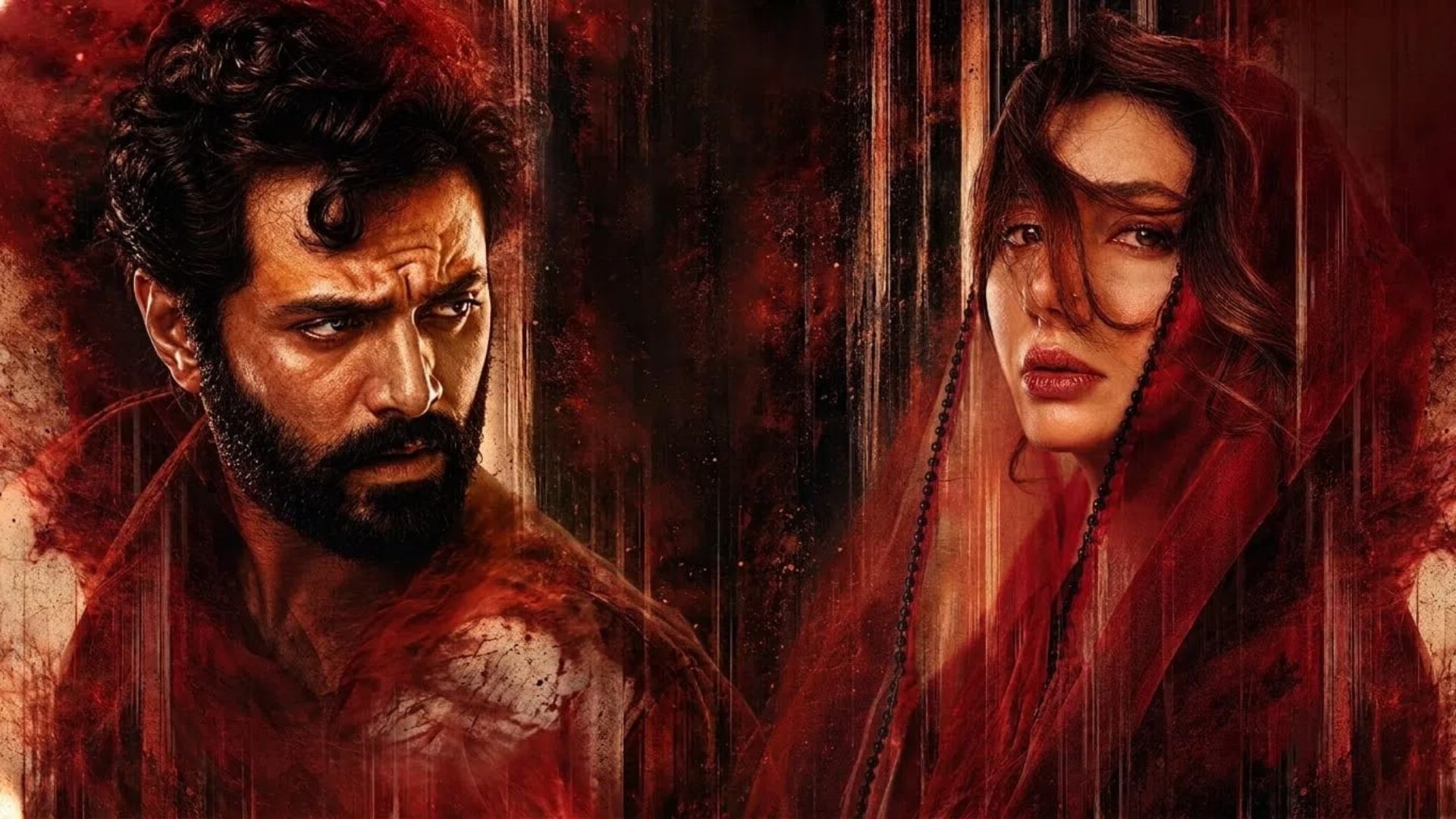
Mitti De Baway has prompted fresh discussion about caste, revenge and social exclusion after episodes seven and eight brought a violent turning point in Baala’s life.
Viewers responding online have praised Wahaj Ali’s portrayal of grief, Mahira Khan’s conflicted Bilqees Bano, known as Billo, and Amar Khan’s performance as Baala’s wife, Zarina, according to Dawn Images.
Episode seven ends with a shootout at a railway crossing in which Baala’s brother Aslam, known as Achi, is killed. The following episode traces Baala’s transformation into the hardened Baala Gujrati and his connection with gangster Phajja, played by Sohail Ahmed.
Ali’s movement from a grieving brother unable to perform the last rites to a man driven by cold determination drew particular attention from viewers.
Billo, meanwhile, has generated a more divided response. Audiences have discussed how her character can experience oppression while also inflicting it on others.
The drama places inherited social status at the centre of these relationships. The divide between the Shah family and the Miraasi community of hereditary musicians shapes questions of belonging, marriage and acceptance.
Billo’s teenage relationship with Baala becomes grounds for her father in law to expel her, despite her subsequent devotion to her marriage and household. Viewers have questioned the use of religious respectability and family honour to justify humiliation rather than forgiveness.
Zarina’s role has also attracted praise, with some viewers describing Amar Khan as a standout performer and expressing sympathy for her character.
Others have compared the drama’s themes with Emily Brontë’s Wuthering Heights, particularly its treatment of social hierarchy, thwarted love and destructive resentment.
Written by Faiza Iftikhar and directed by Syed Wajahat Hussain, the drama’s latest episodes connect personal tragedy with the prejudices shaping its characters’ choices, moving the discussion beyond revenge alone.