Quetta: The Jamiat Ulema i Islam Fazl (JUI F) has instructed its workers across Balochistan to prepare for possible political protests, citing concerns over the province's security situation, economic conditions and delays in legislation affecting religious seminaries and mineral resources.
The party took the decision on Sunday, November 1, during a meeting of its provincial executive committee and parliamentary representatives, chaired by provincial president Senator Maulana Abdul Wasey.
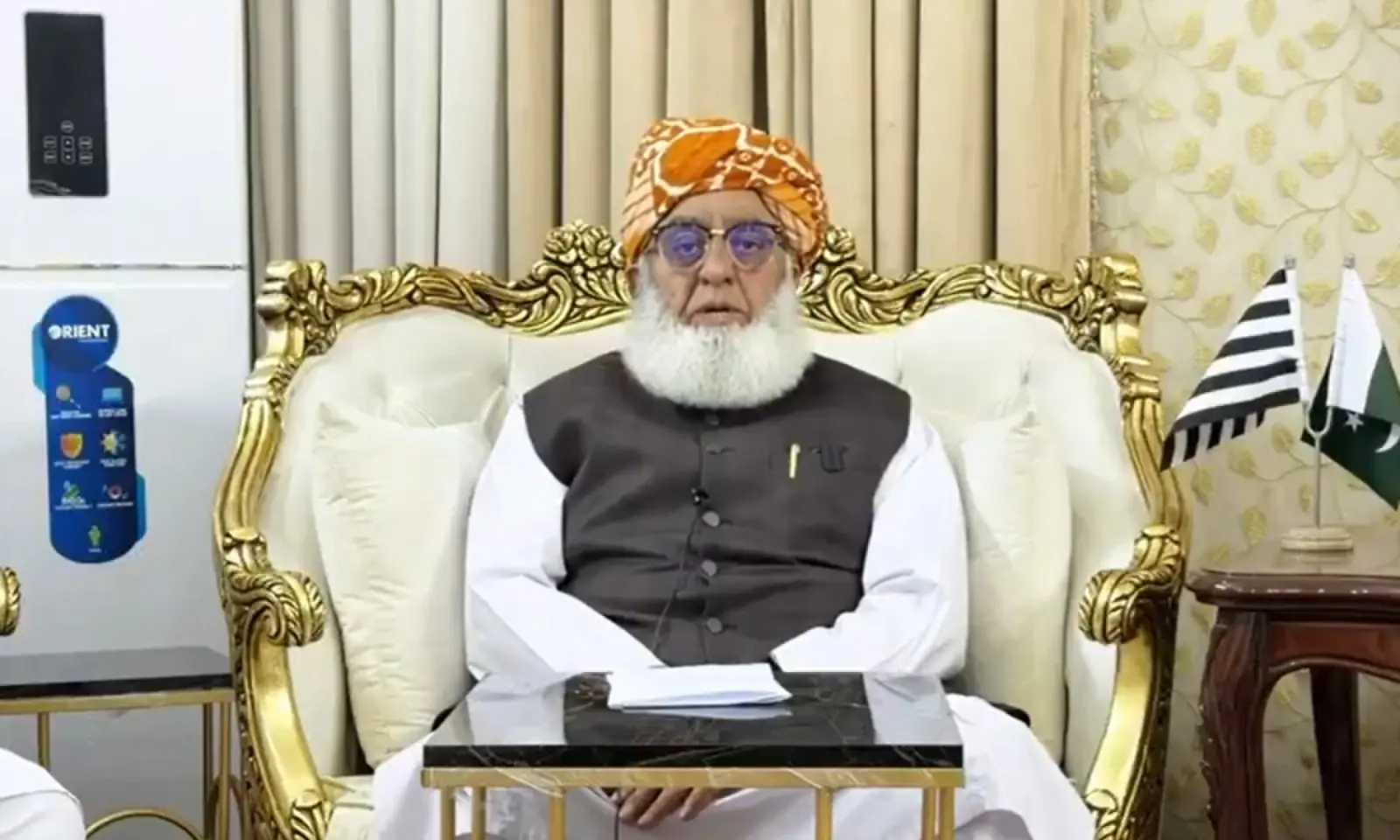
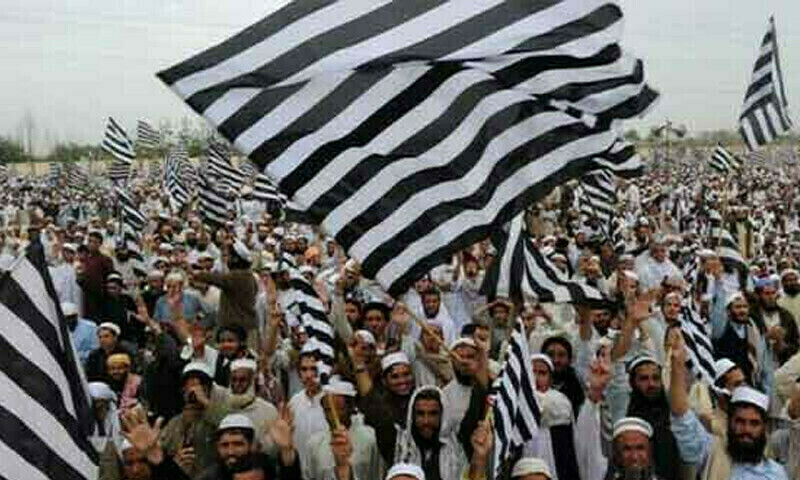
The meeting endorsed the political position of JUI F chief Maulana Fazlur Rehman and decisions taken by the party's central executive council. It directed provincial, district, tehsil and union council organisations to resume mobilisation activities and remain prepared for instructions from the central leadership.
The decision follows months of disagreements between JUI F and the Balochistan government over the regulation of religious seminaries, provincial mineral legislation and the treatment of party representatives.
JUI F questions provincial government's performance
Party leaders criticised Chief Minister Sarfraz Bugti's administration, alleging that deteriorating security conditions had disrupted commercial activity, affected employment opportunities and restricted movement along major highways. The participants cited incidents of targeted killings and violence as evidence of what they described as weakening government control over law and order.
They also accused the provincial administration of failing to provide essential services and address unemployment, although the meeting did not present figures to substantiate its assessment of economic conditions. Security and economic activity remain connected concerns in Balochistan, where disruptions along highways and border trade routes can affect the movement of goods, transport services and livelihoods.
Seminary registration and mining legislation remain disputed
The meeting demanded that the provincial government introduce legislation governing the registration, administration and legal status of religious seminaries. It also called for the proposed Mines and Minerals legislation to be presented before the Balochistan Assembly for parliamentary scrutiny and amendments.
Both issues have been sources of disagreement between the provincial government and JUI F. In May, the party postponed a planned protest after Chief Minister Bugti assured its leadership that differences over religious seminaries would be addressed through negotiations. The chief minister had also indicated that legislation concerning seminary registration would be brought before the provincial assembly.
However, JUI F has continued to demand progress on those commitments.
The dispute over mineral legislation concerns the framework for managing Balochistan's natural resources and the role of elected representatives in scrutinising proposed laws. JUI F has previously argued that provincial stakeholders should be consulted before decisions affecting mineral resources are implemented.
At an October 7 press conference, Wasey said opposition parties had not initially been adequately consulted on the mineral-sector legislation and called for a review of proposals developed through consultations among political groups.
Wasey raises concerns over foreign involvement
Addressing Sunday's meeting, Wasey said his party would continue advocating constitutional supremacy, democratic principles, religious identity and public rights. He criticised political parties that he accused of prioritising individual interests over public concerns.
Wasey also warned against Pakistan becoming involved in conflicts at the direction of foreign powers, particularly the United States and Israel, arguing that such involvement would be contrary to national interests. His remarks reflected the party's broader foreign policy stance and its opposition to external involvement in Pakistan's political and security affairs.
Provincial General Secretary Agha Mahmood Shah said JUI F would expand organisational visits across Balochistan to strengthen contact with local communities and prepare workers for future political activities.
The party had previously announced plans for province wide public outreach from November 17 to 25, including district visits and meetings with workers and residents. The latest instructions indicate that JUI F intends to use its provincial organisational network to pursue demands that remain unresolved despite earlier discussions with the government.
No date for a new protest was announced at Sunday's meeting. The party maintained that any future political campaign would be conducted through constitutional, democratic and peaceful means.