
Staff report: Iran’s Revolutionary Guards Corps (IRGC) said on Wednesday that Iran and Oman had agreed how to share the waterway and its revenues, but a senior Iranian source later said the two countries were still working on the details. “An agreement with Oman over the Strait of Hormuz has not been finalised,” said the source, adding that the talks were continuing on the details of an accord.
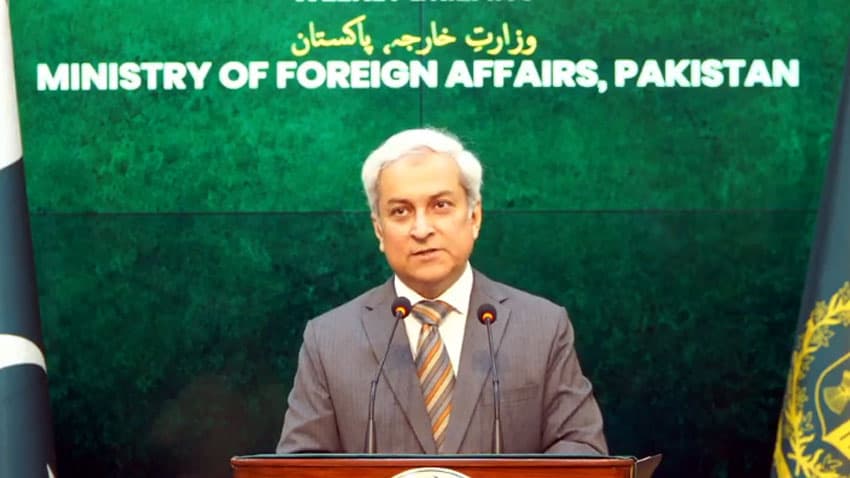
This was echoed in a statement by Brigadier General Hossein Mohebbi, a spokesperson for the Islamic Revolutionary Guard Corps (IRGC), who said Iran and Oman had “reached results that are acceptable to both sides” on controlling the strait and its revenues.
Mohebbi said the strait would remain shut unless the US met Tehran’s conditions under the interim ceasefire or memorandum, which the two sides signed in June before it unravelled. Those conditions include an end to the US blockade on Iranian ports, compensation and removal of sanctions. Iran and Oman have held talks for weeks about controlling traffic through the strait. Tehran and Washington have each tried to assert control over the channel, imposing separate blockades.
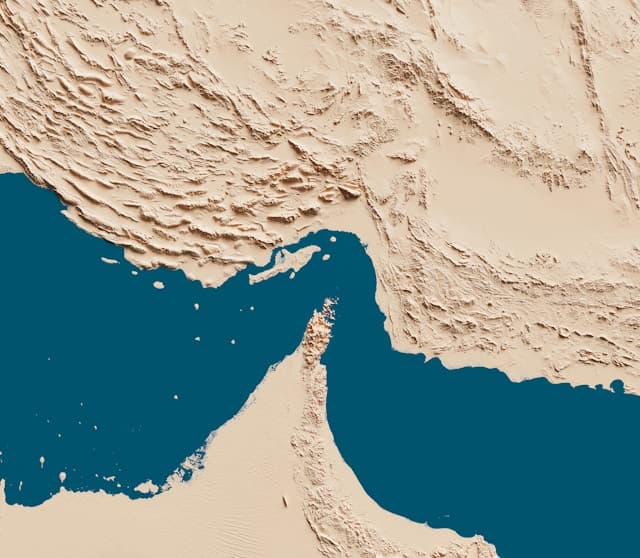
The international waterway was open to free navigation before the war, but Iran has since clung to its control of the strait as leverage and a revenue source, seeking to charge ships a commission, which the US has opposed
An agreement reached between the two sides in Islamabad in April reportedly broke down in part because of differences over the narrow waterway between Iran and Oman where one fifth of the world’s oil supplies passed before the war began on February 28. The guns have gone mostly silent and the US military’s Central Command (Centcom) has not reported any attacks on Iran for nearly a month. Washington appears to be leaning more on economic pressure by announcing plans to cut Iran off from its trading partners with increased sanctions.
Hormuz oil flows have fallen to a three month low, with just five million barrels transiting on Monday, according to the latest maritime tracking data. Before the war, the strait carried roughly 20 million barrels per day of crude oil.