
Islamabad: The fatal attacks on former public servant Hina Javed and digital content creator Shamsoo Bibi in the Rawalpindi Taxila jurisdiction have brought renewed focus to the systemic vulnerability of women in Pakistan. The two incidents, occurring within days of each other in August 2026, underline a broader environment of violence characterized by domestic abuse, physical assaults, and public harassment.
Hina Javed, who served under the National Information Technology Board (NITB) at the National Assembly Secretariat until June 2026, was killed at the residence of her in-laws in Rawalpindi. Police subsequently registered a criminal case against her husband and a domestic worker employed at the residence, citing severe physical abuse. The incident led Speaker National Assembly Sardar Ayaz Sadiq to direct the Standing Committee on Interior to submit an official report, while the Women Parliamentary Caucus (WPC) demanded a transparent, multi-agency investigation.
Simultaneously, Taxila police investigated the August 14 targeted killing of 28 year old TikTok creator Shamsoo Bibi, known online as Ayesha Gilamana. While initial reports filed by her family pointed toward a financial dispute, police investigations revealed that the killing was executed by hitmen hired by her father and brother under the pretext of an honour crime. Police subsequently arrested five family members, including her father and brother, alongside the alleged shooters.
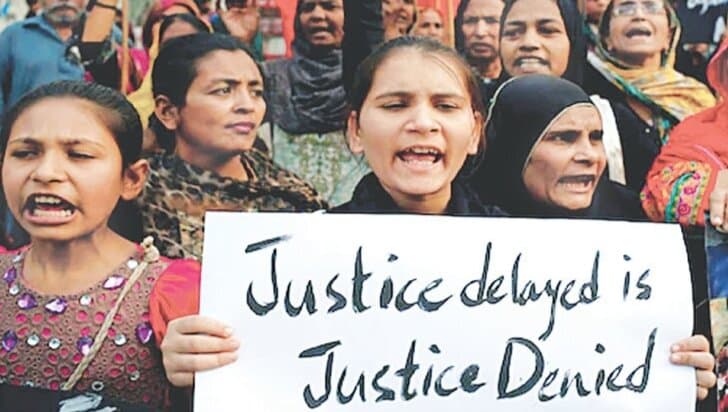
Rights organisations, including the Human Rights Commission of Pakistan (HRCP), note that these cases reflect an daily recurring pattern of gender based crime ranging from street harassment and sexual assault to fatal domestic violence. Despite the presence of statutory protections, such as the Protection against Harassment of Women at the Workplace Act and penal amendments restricting pardons in honour killings, implementation remains hindered by procedural delays, flawed initial investigations, and social pressure on victims.
The convergence of domestic femicide and public violence against female creators underscores a critical gap between legislative frameworks and institutional enforcement, leaving women across various socio-economic background without consistent security guarantees.