

Riyadh: Yemen’s Houthis have claimed a large-scale missile and drone attack on Saudi Arabia’s King Khalid Air Base, while the postponement of a regional meeting on the Strait of Hormuz has added to concerns over oil supplies and shipping in the region.
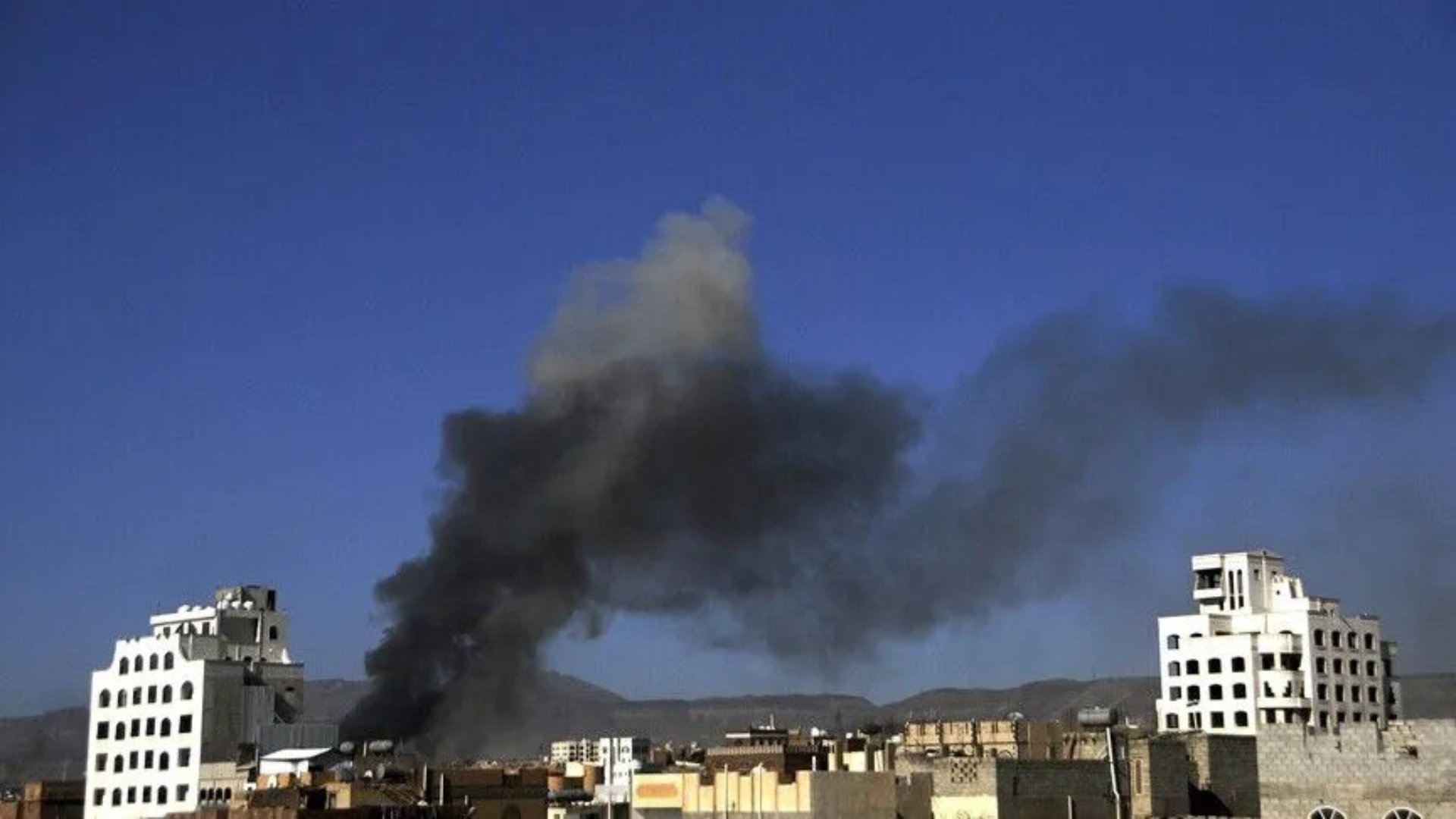
Houthi military spokesman Yahya Saree said the group targeted the air base in Khamis Mushait with dozens of ballistic missiles and drones. He claimed the strikes targeted aircraft hangars, radars, runways, ammunition depots and other military facilities, causing significant losses.
The Houthis said the attack was in response to Saudi airstrikes in Yemen, which they claimed had included more than 300 strikes by Saudi F-15 and Typhoon fighter jets across several Yemeni provinces over five days. Saudi Arabia has not immediately confirmed the reported damage at the air base.
Saudi Civil Defence issued an alert in Khamis Mushait governorate and later said the danger had passed. Residents were advised to follow Civil Defence instructions and avoid gatherings and filming.
Meanwhile, Iran said a planned meeting in Oman involving Tehran and Gulf countries was cancelled at Saudi Arabia’s request. Iranian Foreign Ministry spokesman Esmail Baghaei said Riyadh had asked that the meeting not take place for the time being. Saudi Arabia had not immediately commented.
The meeting was expected to provide an opportunity for Iran and Oman to present an understanding reached after weeks of negotiations on maritime routes through the Strait of Hormuz. Baghaei said the understanding had been finalised and that Tehran would consult Oman on the next steps.
The postponement came as Saudi Arabia’s 1,200-kilometre East-West oil pipeline remained closed after drone strikes damaged it on Friday. The pipeline allows Saudi Arabia to bypass the Strait of Hormuz by transporting oil to the Red Sea port of Yanbu.
Industry sources cited by Reuters said Saudi Arabia had enough oil stored at Yanbu to maintain exports for around five to seven days if the pipeline remained shut. They estimated that up to 4% of global oil supply could be affected if the outage continued, adding to disruptions caused by reduced traffic through the Strait of Hormuz.
China and South Korea separately called for restraint and dialogue, with Beijing expressing concern over civilian casualties and damage to energy infrastructure. Seoul condemned attacks targeting civilians and economic facilities and urged an immediate halt to the assaults.
The developments have coincided with continued risks to shipping in the Strait of Hormuz and disruptions to regional oil flows, with Middle Eastern oil supplies already significantly below pre-war levels.