Webdesk: Commercial shipping traffic through the Strait of Hormuz has dropped to its lowest level since May following recent United States (US) and Iranian strikes on vessels in the region, according to shipping data reported by Reuters.
An average of 10 commodity carrying vessels crossed the strategic waterway each day during the past 10 days, according to data from shipping analytics firm Kpler. The figure marked a significant decline from earlier levels.
The 10 day moving average stood at 10 vessels on Sunday, compared with more than 15 on Friday and almost 13 on Saturday.
Daily traffic also showed a sharp reduction. Only two vessels crossed the strait on Saturday, while six passed through on Sunday. Most of the vessels that crossed on Sunday used the Iranian route.
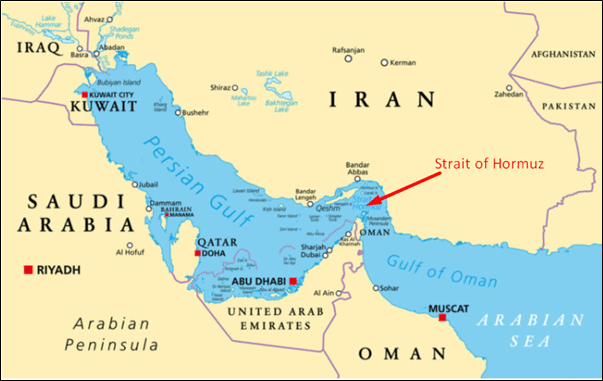
The Strait of Hormuz is a major maritime passage connecting the Persian Gulf with the Gulf of Oman and the Arabian Sea. It is an important route for the international movement of oil and other commodities, making changes in shipping activity closely watched by markets and governments.
The latest decline comes amid heightened tensions following US and Iranian strikes involving tankers. Reduced vessel movements can reflect concerns over security, insurance costs, operational risks and the ability of ships to navigate the waterway safely.
The drop in traffic does not by itself indicate a complete halt to commercial shipping through the strait. However, the recent figures point to a notable reduction in activity and underline the wider impact that military tensions can have on maritime trade.
The situation remains closely linked to developments in the region, with further changes in shipping patterns likely to depend on security conditions and the willingness of commercial operators to continue using the route.