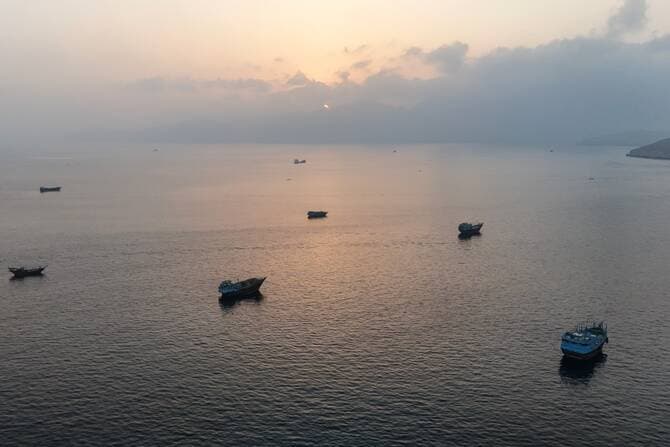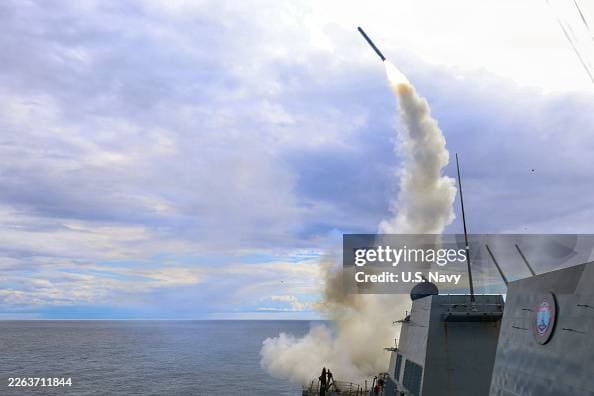

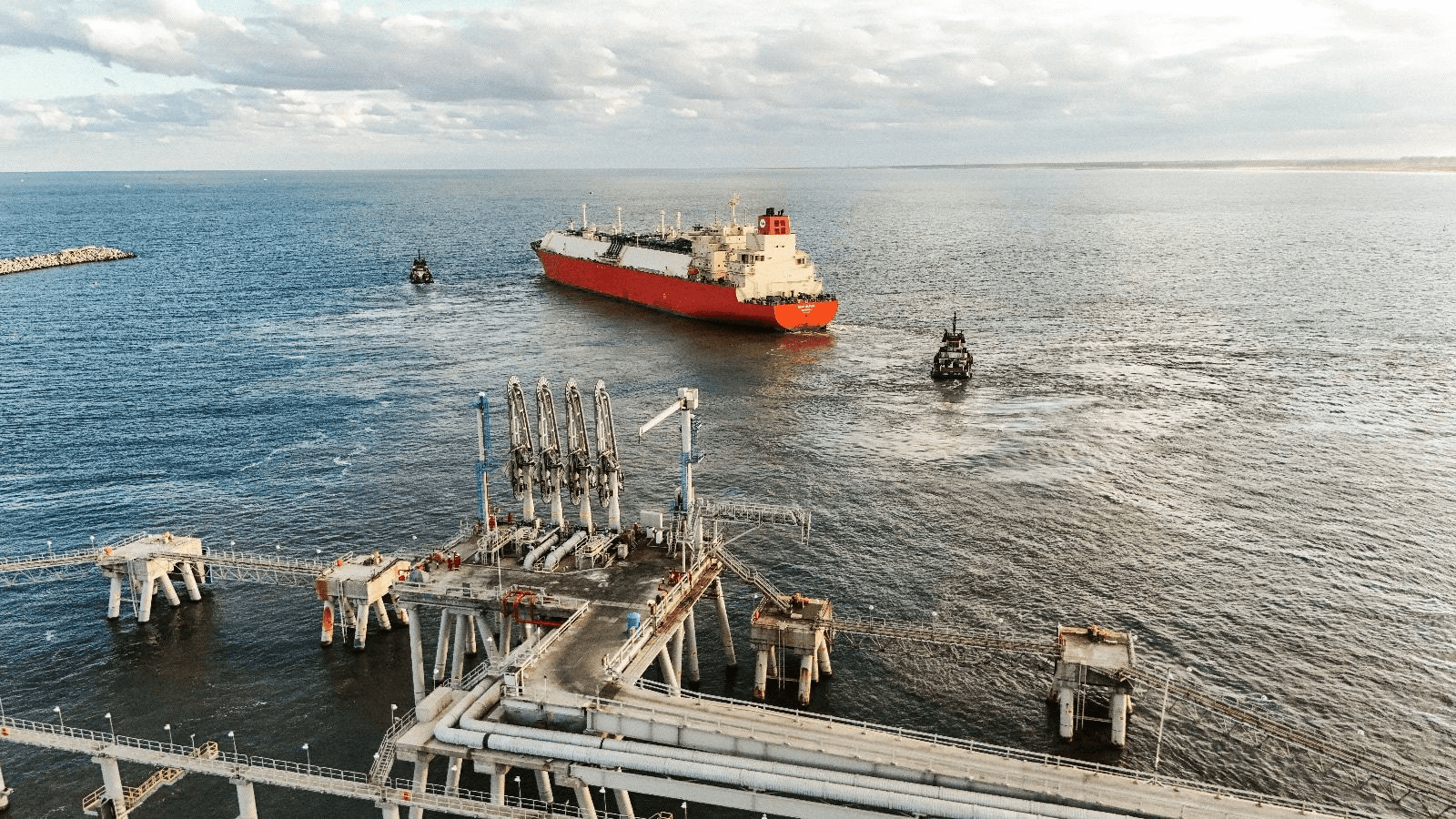
Dubai: Six months into the war between the US, Israel and Iran, Gulf oil exports remain severely constrained, with shipments through the Strait of Hormuz at less than a quarter of prewar levels and Saudi Arabia facing renewed pressure on its alternative Red Sea route.
Traffic through Hormuz, which carried about 20 million barrels per day (bpd) of crude before the conflict began on February 28, has fallen from an average of 88 ships a day to about 16, according to Kpler. Gulf oil exports dropped from around 20 million bpd in February to as little as 1.4 million bpd in May. By August, they had recovered to 3.6 million bpd, still 82 per cent below pre-war levels.
The disruption followed Iran's closure of the strait after an unprovoked attack by the US and the illegal occupation force in Palestine. A June 17 agreement brokered by Oman and Qatar briefly reopened the waterway, but it collapsed within weeks after Iran sought a role in managing the strait and imposing tolls on vessels. A subsequent 60 day memorandum negotiated with Pakistani and Qatari mediation also expired on August 17 without agreement.
The conflict has also damaged energy infrastructure across the Gulf. Saudi Arabia's Ras Tanura refinery and other plants were attacked, while a strike on an east-west pipeline pumping station cut 700,000 bpd of capacity. Qatar's Ras Laffan LNG complex lost 17 percent of its capacity after a missile strike, with repairs not expected to be completed until 2027.
The UAE's Ruwais refinery, Habshan gas plant and Shah gasfield were also targeted. Kuwait's two main refineries suffered repeated attacks, while facilities in Bahrain, Oman and Iraq were affected. Iranian energy infrastructure was hit as well, including the South Pars gasfield and Lavan Island refinery.
Saudi Arabia has relied increasingly on the Red Sea as an alternative export route. Shipments through the Bab Al Mandeb rose from an average of 633,000 bpd before the war to 3.1 million bpd in March, remaining between 3 million and 4 million bpd through June.
That route came under renewed pressure in July when the Houthis announced a maritime embargo on Saudi Arabia. Saudi oil shipments through Bab Al Mandeb fell to 2.4 million bpd in July and just 64,000 bpd in August.
Saudi Aramco has since diverted some crude around Africa or through Egypt to reach Mediterranean markets. The UAE has increased exports through Fujairah using the Abu Dhabi-Fujairah pipeline, while Iraq has expanded use of the Kirkuk-Ceyhan route and is pursuing additional export corridors.
Brent crude, which was above USD 70 a barrel before the conflict, reached an intraday peak of USD 126 on April 30 before falling to about USD 88.
The conflict also damaged oil, gas and refinery infrastructure in Bahrain, Oman, Saudi Arabia, the UAE and Iraq, further affecting energy supplies across the region.