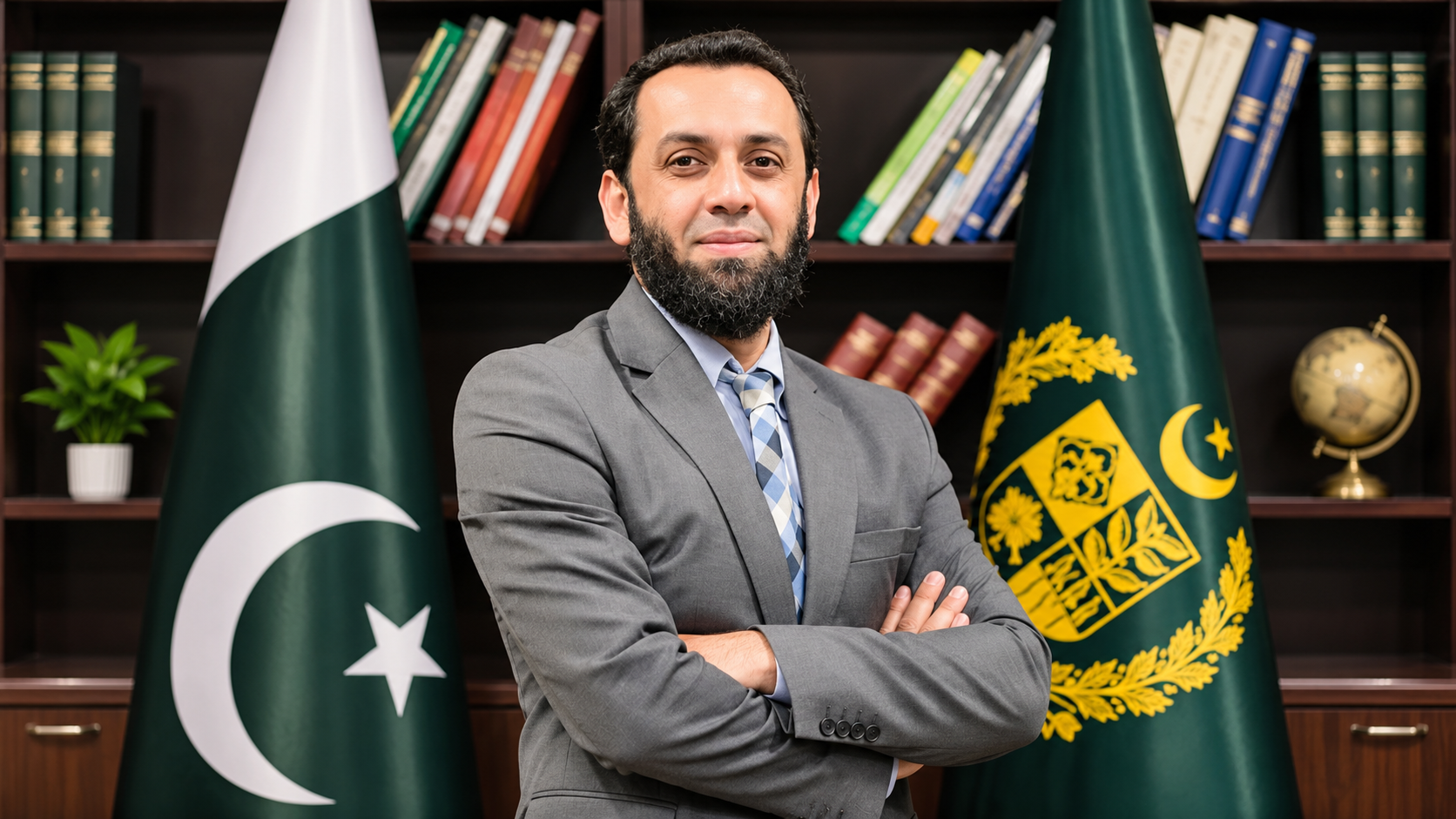
Islamabad: Federal Minister for Information and Broadcasting Attaullah Tarar on Monday directed officials to develop a strategy to revive Pakistan Television's (PTV) Drama and Film Academy, with plans to train young people in filmmaking, drama production, and digital content creation.
The directives were issued during a meeting in Islamabad attended by Federal Information Secretary Ashfaq Ahmed Khalil and ministry officials. Discussions also covered the restructuring of PTV Home and partnerships with private companies to provide training and generate revenue for the broadcaster.
Tarar said the government planned to introduce training in colour grading, a post production process used to adjust the colour and tone of filmed material. He maintained that the initiative would allow professionals to acquire skills and use production facilities in Pakistan rather than travelling abroad.
The proposed academy would offer courses in filmmaking, editing, drama production and digital content development, with students undertaking assignments and building portfolios.
Training facilities and private sector partnerships
Officials reviewed proposals for classrooms, studio laboratories, editing suites, student workstations and the recruitment of instructors and technical staff. Tarar directed the ministry to develop a pilot project with private sector participation and ensure that the curriculum reflected production requirements.
The government also plans to involve universities and encourage students to produce content for PTV News, PTV Home and other platforms operated by the broadcaster. The proposed partnerships are intended to link training with employment opportunities while creating income sources for PTV. However, the ministry has yet to announce the academy's budget, enrolment criteria, course fees or the date when training will begin.
PTV's history of drama production
Established in 1964, Pakistan Television became a centre for drama production during the 1970s and 1980s, a period often described as its golden era. Productions including Khuda Ki Basti, Waris, Ankahi, Tanhaiyan and Dhoop Kinare brought writers such as Haseena Moin and Amjad Islam Amjad to television audiences. These programmes explored family relationships, social class, and changes in Pakistani society, while boosting the careers of actors, directors, and production professionals. The growth of private television channels later changed the broadcasting market, with PTV facing competition for audiences and advertising revenue.
Punjab government pursuing film industry revival
The federal initiative comes as the Punjab government is developing its own film production and training infrastructure. In April 2026, the provincial government announced plans for a 50 acre Film City in Lahore's Nawaz Sharif IT City, with studios, post production laboratories and training facilities. Punjab also announced a Rs 2 billion film revival fund, including financial support for selected filmmakers. In October, Chief Minister Maryam Nawaz's government approved further measures, including filmmaker training, cinema restoration, and proposals on film royalties. The Film City is scheduled for inauguration on December 15, 2026.
The two initiatives address different aspects of the production industry. While PTV's proposed academy would focus on developing skills through training programmes, Punjab's projects are intended to provide infrastructure and financial support for filmmaking.
Both programmes still depend on implementation, including access to equipment, instructors, funding, and opportunities for trainees to enter the industry. The Information Ministry has also been directed to examine how the academy can sustain its operations through training programmes and partnerships.
Further decisions on funding, admission procedures and implementation will determine when the proposed facilities become available to students and production professionals.