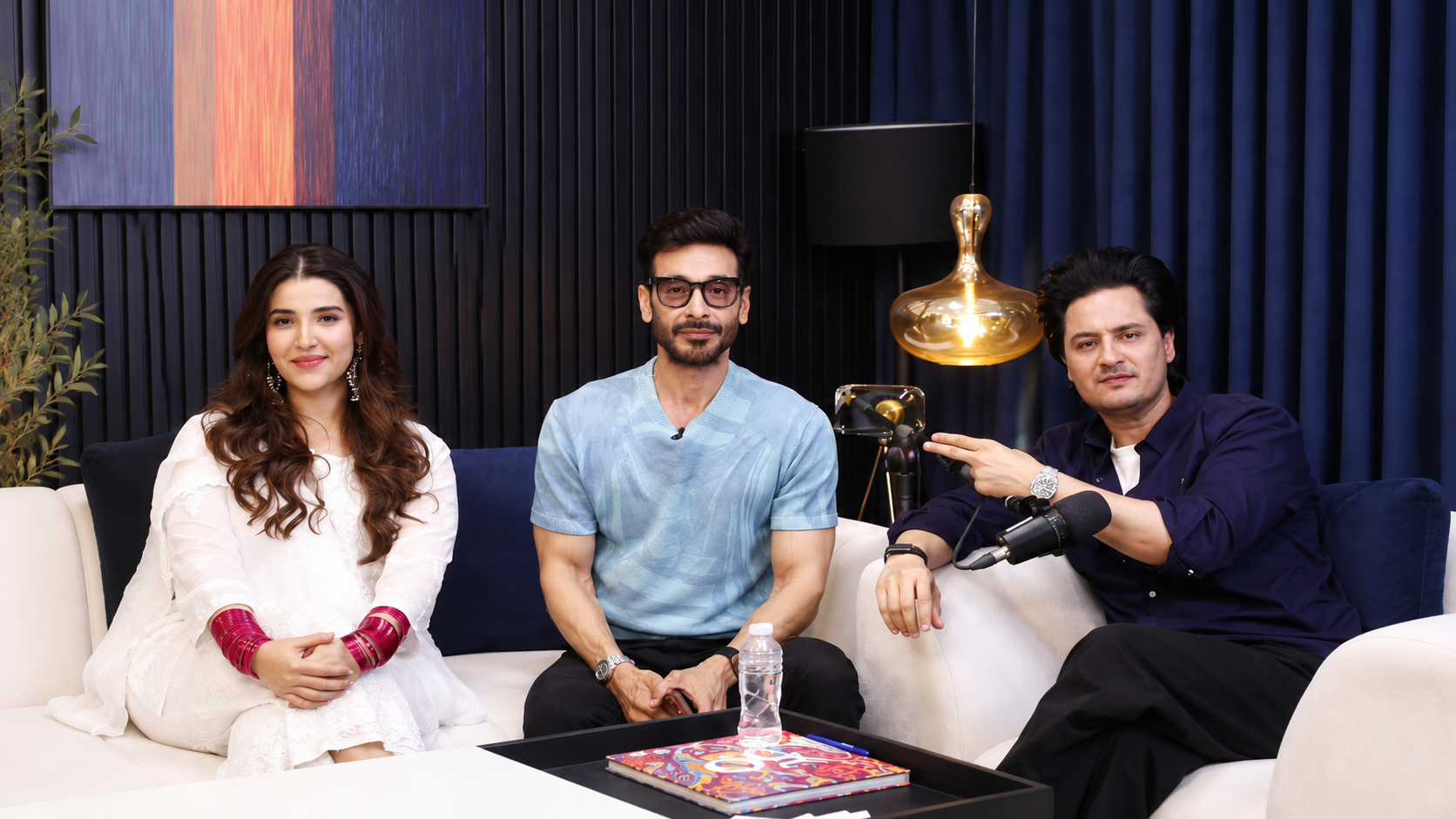
Karachi: Pakistani actor Faysal Quraishi has criticised India's restrictions on Pakistani television dramas, claiming that their popularity among Indian audiences challenged established perceptions of Pakistani society.
In remarks shared by the entertainment platform Pakistani Cinema, Quraishi suggested that Pakistani dramas presented a different picture of the country from the one Indian viewers had encountered through their domestic media and official narratives.

According to the actor, this contrasting portrayal contributed to India's decision to restrict access to Pakistani television content.
Quraishi claimed that the popularity of Pakistani dramas continued despite the restrictions, with some Indian viewers reportedly using virtual private networks (VPNs) to access programmes that were otherwise unavailable.
His comments have drawn attention to the longstanding cultural relationship between Pakistan and India, particularly the popularity of Pakistani television serials among audiences across the border.
Pakistani dramas have historically attracted Indian viewers through their storytelling, family centred narratives and performances, with several productions developing substantial audiences beyond Pakistan.
However, cultural exchanges between the neighbouring countries have repeatedly been affected by political tensions, diplomatic disputes and security developments.
Restrictions on Pakistani entertainment content became particularly prominent following the military confrontation between Pakistan and India in May 2025, when India launched Operation Sindoor.
In the aftermath of the operation, access to several Pakistani celebrities' Instagram accounts was restricted for users in India, affecting actors, musicians and other entertainment personalities.
The restrictions also extended to Pakistani entertainment and media content on digital platforms, further limiting access for Indian audiences.
These measures formed part of a broader deterioration in cultural exchanges between the two countries, which have experienced repeated disruptions during periods of heightened political and military tensions.
Quraishi's remarks reflect his view that Pakistani dramas have played a role in challenging negative perceptions of Pakistan by presenting everyday life, relationships and social issues to international audiences.
However, his assertion that India restricted Pakistani dramas specifically because they undermined an established narrative remains his interpretation rather than an officially confirmed explanation for the measures.
The actor's comments have renewed discussion about the influence of entertainment on cross border perceptions and the extent to which political tensions affect access to television, film and digital media.
Despite restrictions, Pakistani dramas continue to reach international audiences through various distribution platforms, highlighting the continued interest in the country's television industry.