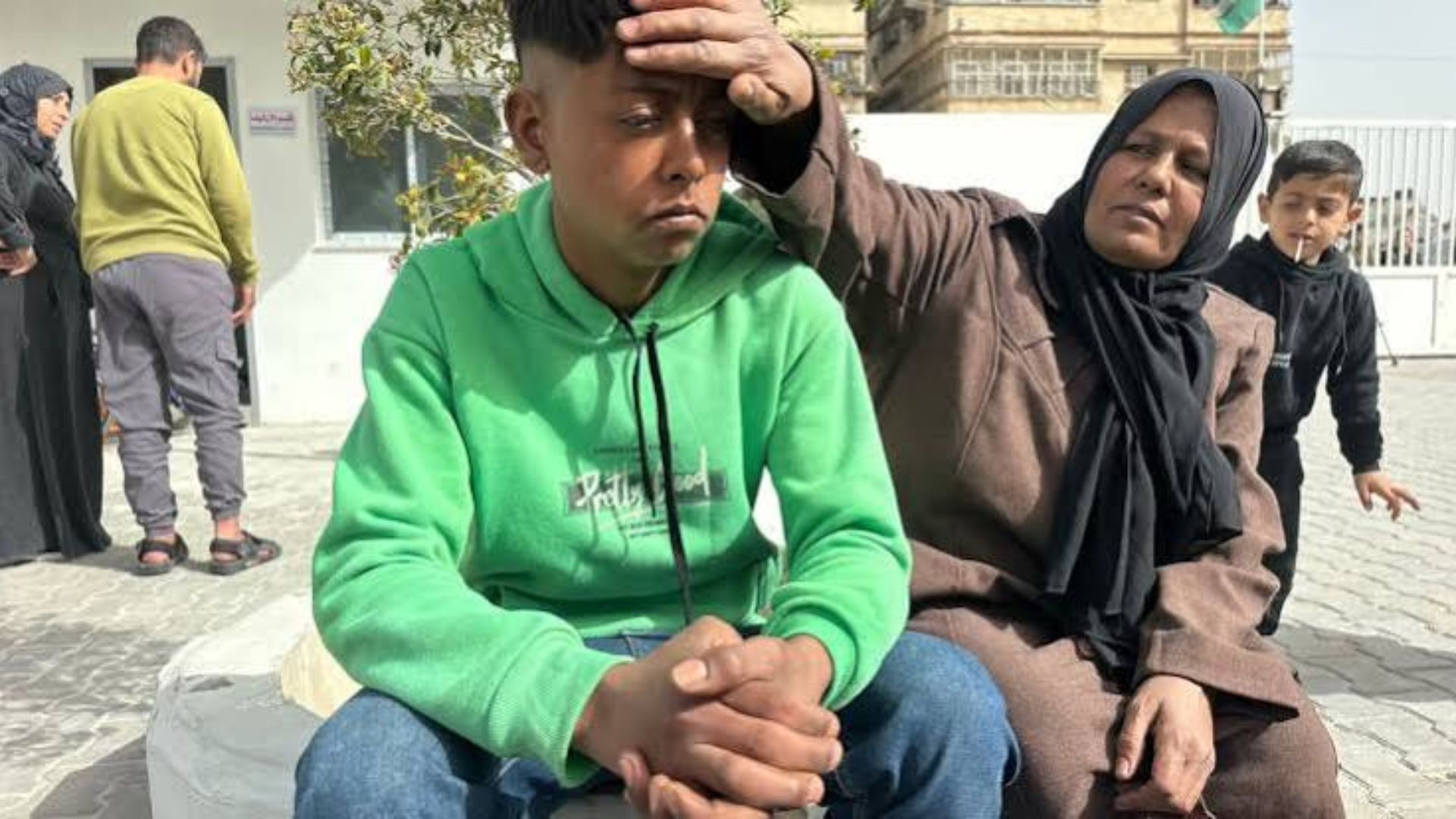
Gaza: For Palestinians in Gaza trying to replace clothes lost during displacement, even the colour of a garment can reportedly determine whether an order is accepted.
Roya News reported on October 15 that journalist Abeer Ayoub had shared an exchange with a shopping intermediary who said green dresses and other green clothing could not be brought into Gaza through the West Bank. Brokers attributed the refusals to 'Israeli' crossing restrictions.
The civilian consequences of such coercive measure is far reaching as ordinary purchases can become subject to restrictions that shoppers cannot readily predict or challenge.
The occupying force in Palestine restricts goods it classifies as having potential civilian and military applications, commonly called “dual use”. Rights organisation Gisha has documented restrictions affecting everyday supplies, including tarpaulins, sleeping bags and non electric wheelchairs.
Humanitarian organisations have previously reported green sleeping bags being refused entry because of associations with military equipment.
For displaced families, uncertainty at crossings compounds an already severe shortage of shelter and basic necessities. On October 9, the International Organization for Migration (IOM) said almost two million people needed shelter assistance, while humanitarian organisations had met only about 17 percent of winter shelter requirements.
Commercial deliveries have also faced disruption. On October 19, the occupation announced their gradual resumption after a halt it attributed to a payment dispute involving Hamas and merchants. Palestinian importers had disputed the occupation's explanation for the stoppage.
The wider problem predates these latest accounts. Refugees International documented inconsistent inspection instructions and the rejection of legitimate humanitarian goods in a March 2024 investigation. More recently, the UN reported continuing obstacles involving inspections, cargo handling and coordination.
For Palestinians rebuilding daily life, access means more than permission for a shipment to cross. It means being able to obtain clothing, bedding and shelter without ordinary necessities becoming inaccessible through unclear or shifting rules.