Geneva: El Nino is expected to intensify before peaking in December, potentially becoming one of the strongest events recorded since at least 1950, the World Meteorological Organisation (WMO) said on Thursday.
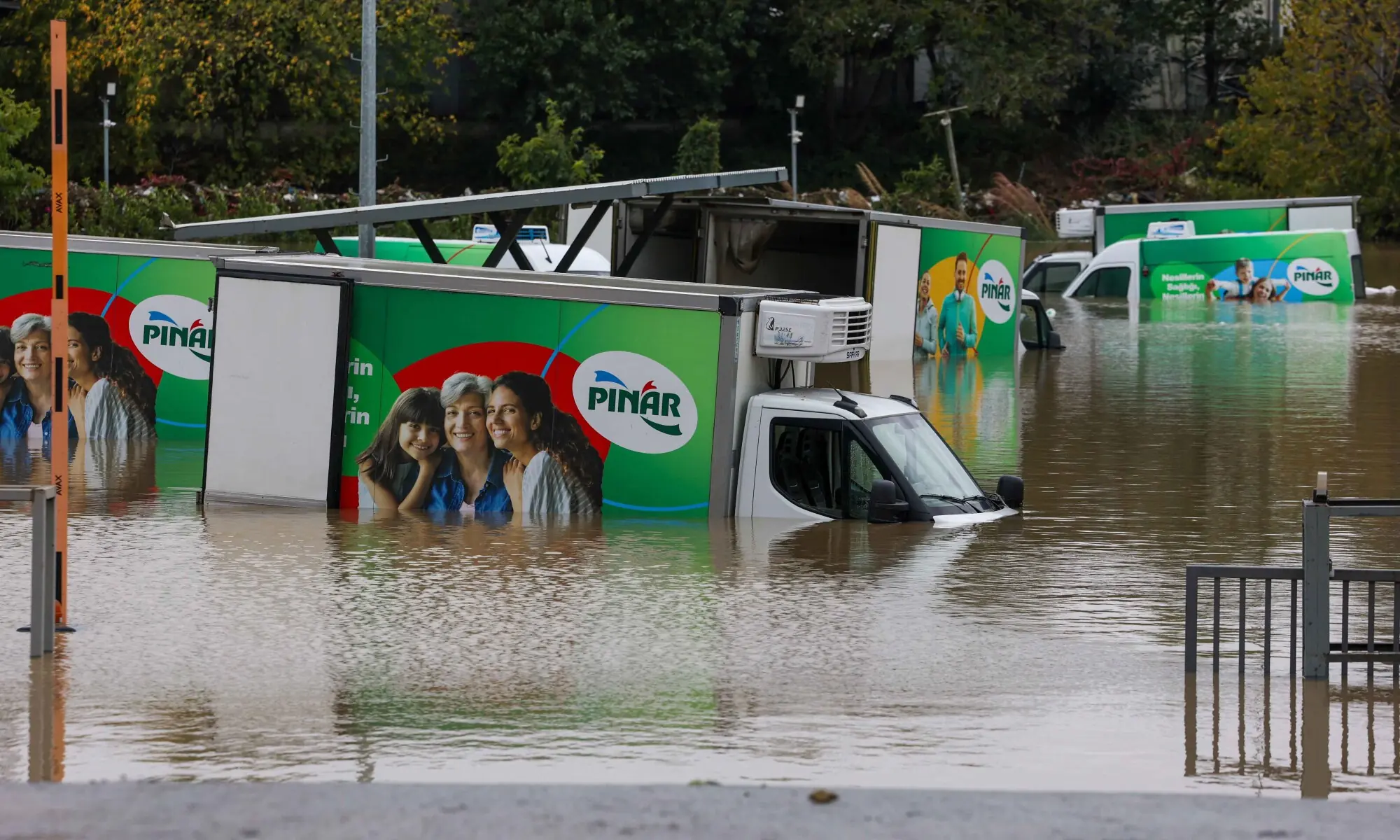
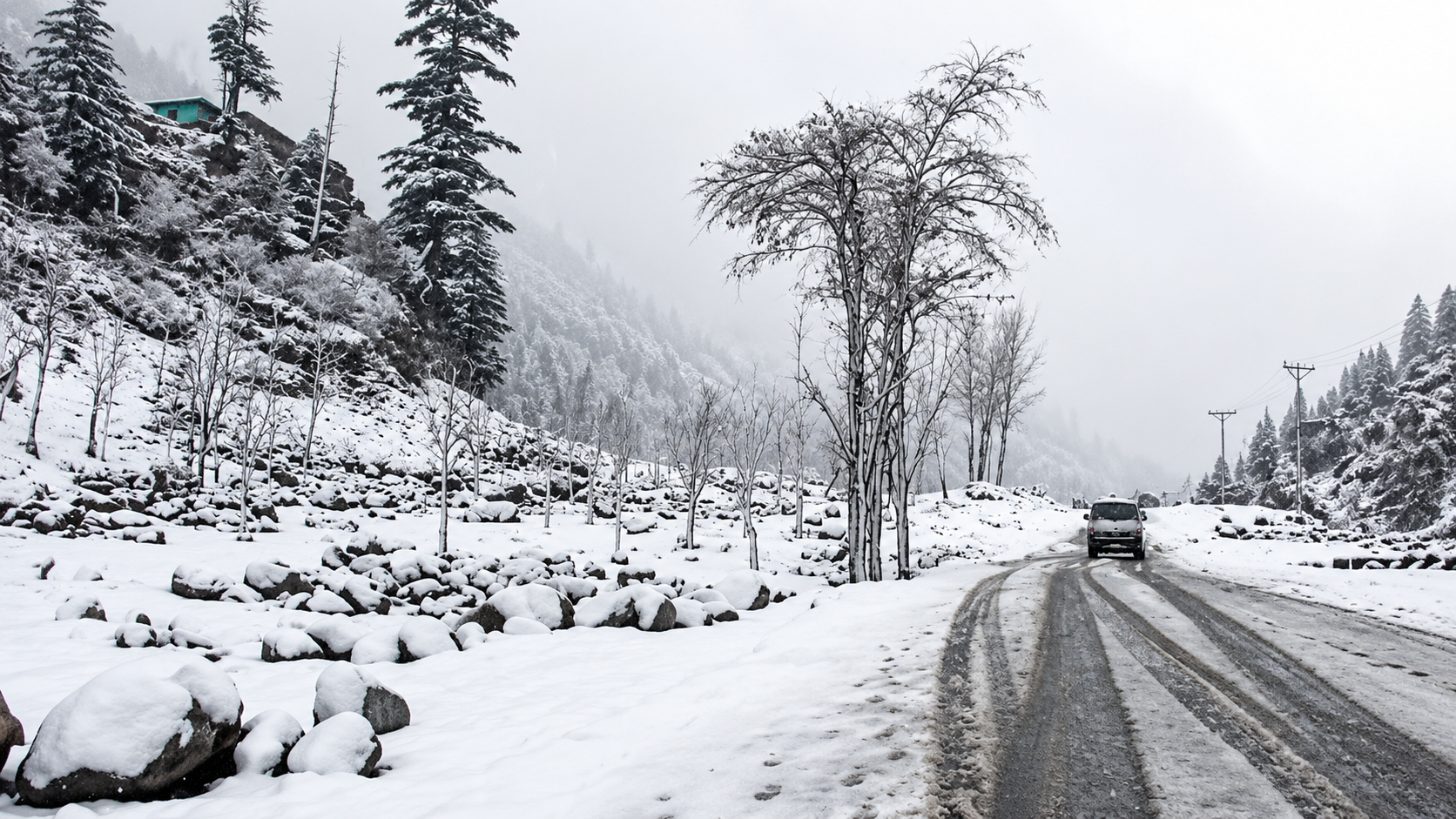
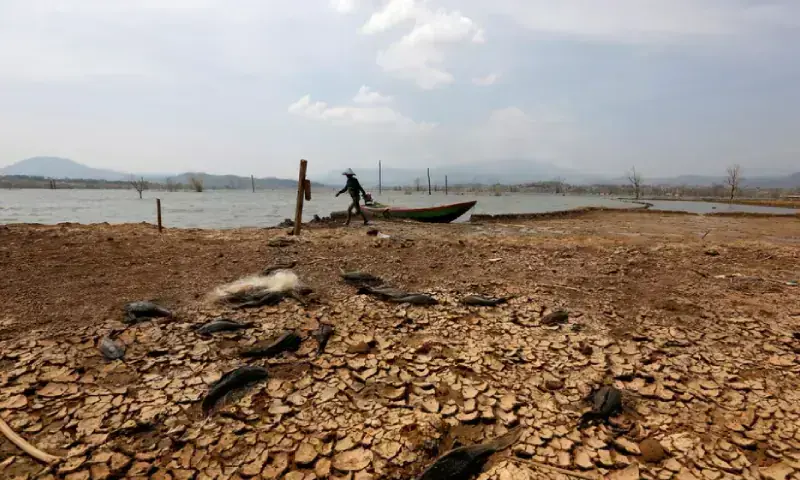
The UN agency warned that the phenomenon would likely bring above average temperatures to much of the world and alter rainfall patterns, increasing the risk of drought in some regions and flooding in others.
El Nino occurs when surface waters in the central and eastern equatorial Pacific become unusually warm. This changes atmospheric circulation, affecting winds and rainfall far beyond the ocean itself. It generally occurs every two to seven years and lasts nine to 12 months.
WMO chief Celeste Saulo said the event was firmly established and strengthening rapidly, with a near 100 per cent probability of persisting through February 2027.
According to the agency, the temperature anomaly in the central eastern Pacific rose from 1.6°C above normal in June to 2.5°C in August. It is forecast to reach approximately 3.7°C during October to December, exceeding the previous record of 2.6°C in 2015 to 2016.
These figures measure temperatures in a specific ocean region, rather than the increase in global average temperature. The forecast draws on assessments from 13 leading national and international meteorological centres.
Saulo said El Nino releases heat already stored in the ocean. With ocean temperatures at record levels, more heat is available to enter the atmosphere, compounding human driven climate warming.
Its consequences extend beyond hotter weather. Changes in rainfall can affect harvests, water availability and electricity generation, while floods can damage homes and infrastructure. Drought is already harming crops and animals in parts of Central America.
For Pakistan, the outlook makes seasonal monitoring important for agriculture, water management and disaster preparedness. However, a global El Nino forecast alone does not establish when or where Pakistan will experience drought or flooding.
The global temperature response can also lag behind El Nino’s peak, meaning its influence may continue after December.