

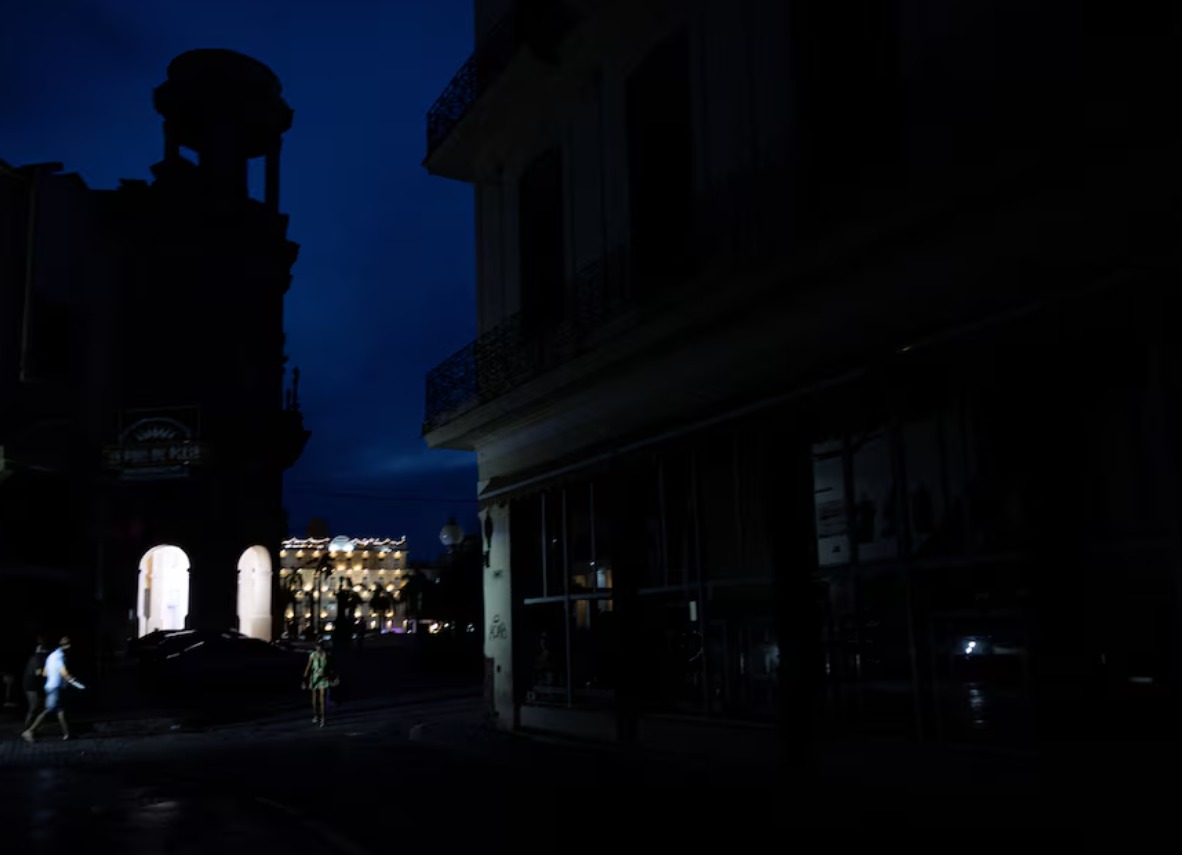
Havana: Cuba’s national electricity grid collapsed on Friday, leaving millions without power as fuel shortages and ageing infrastructure continue to strain the island’s energy system.
The collapse began around 2 pm local time after a failure in high voltage transmission lines in central Cuba, according to Cuban authorities. Officials said restoration was being carried out gradually, with electricity returning to some areas of Havana, particularly around hospitals, by Friday evening.
The outage was at least the sixth partial or total grid collapse reported in Cuba since January. The island has also experienced rolling blackouts lasting more than 30 hours in some areas, leaving many residents without reliable electricity for extended periods.
Cuba’s electricity system has been under pressure for years because of ageing generation infrastructure and fuel shortages. The situation has worsened since January amid US measures restricting oil supplies to the island. Reuters reported that the restrictions have contributed to more frequent and prolonged blackouts.
The latest collapse came just days after Washington imposed sanctions on 11 Cuban entities, including companies linked to nickel resources and military research. Cuban Foreign Minister Bruno Rodriguez said the measures were worsening shortages and economic hardship, while the US government has defended its pressure campaign as part of its broader policy towards Havana.
The electricity crisis is affecting daily life well beyond lighting. Prolonged outages can disrupt water supplies, food storage, communications, transport, healthcare and businesses, increasing pressure on an economy already facing shortages.
Cuba’s repeated grid failures therefore point to a broader energy security problem rather than a single technical breakdown. Friday’s transmission failure triggered the latest collapse, but the frequency of outages reflects deeper weaknesses in the country’s power system and fuel supply.