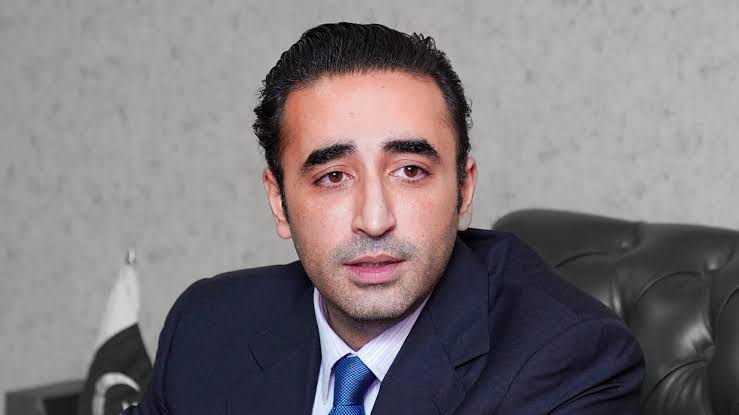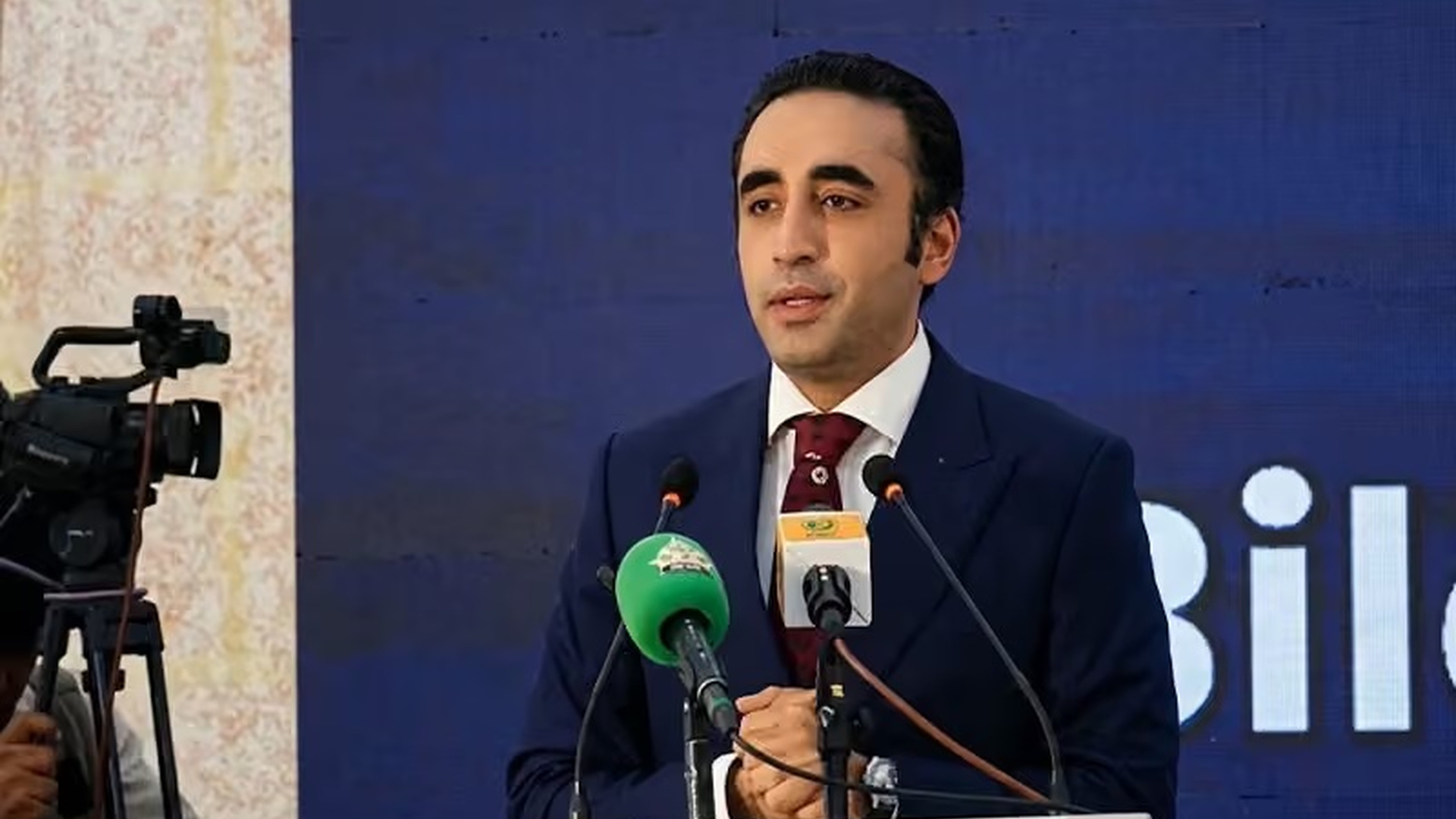
Karachi: Pakistan Peoples Party (PPP) chair Bilawal Bhutto Zardari called for a political reset on Tuesday, November 17, saying elected representatives should work together on poverty, unemployment and the cost of living. Speaking at a Meet the Press event at the Karachi Press Club, he said politicians had lost sight of the pressures facing households and that institutions needed to rebuild public trust.
Bhutto Zardari said responsibility for the state of the system was shared. He argued that changing how the country is governed would achieve little unless political leaders first addressed why the system had failed to serve people. He said opposition criticism should be answered through debate in Parliament, not with threats or accusations of disloyalty.
The remarks followed his November 10 appeal to the prime minister to build trust with coalition allies and the opposition. That appeal came as Interior Minister Mohsin Naqvi called for a broader reset and raised the prospect of creating new provinces. The PPP supports the Pakistan Muslim League Nawaz (PML N) led coalition at the centre, giving its position weight in talks over any changes.
Bhutto Zardari said he had not seen economic conditions this difficult in his lifetime. He pointed to electricity bills and said some families were having to choose between paying for their children’s education and buying food. Pakistan Bureau of Statistics data show that consumer prices in October were 9.6 per cent higher than a year earlier. The annual rate fell from 10.3 per cent in September, but prices still rose by 1.1 per cent from September to October.
The PPP chair also said a television channel in Karachi had dismissed 25 journalists. He did not name the broadcaster in the account of his remarks. He said the Prevention of Electronic Crimes Act (PECA) and other laws had made journalists fear prosecution, and invited them to suggest changes that could be raised in Parliament and the Sindh Assembly.
Amendments enacted in January 2025 made certain forms of online dissemination of false information punishable by up to three years in prison. Journalists’ unions and rights groups raised concerns about the law at a protest outside the same press club the previous week.