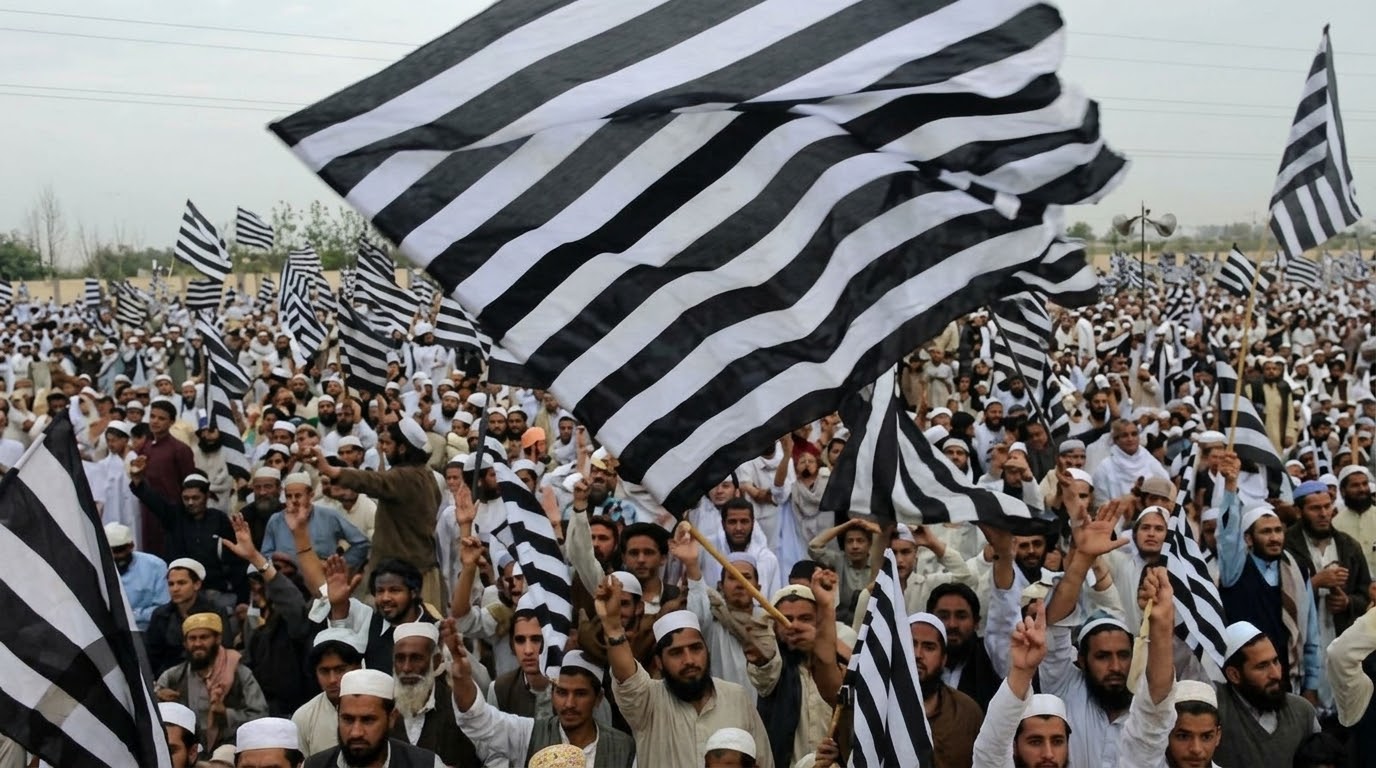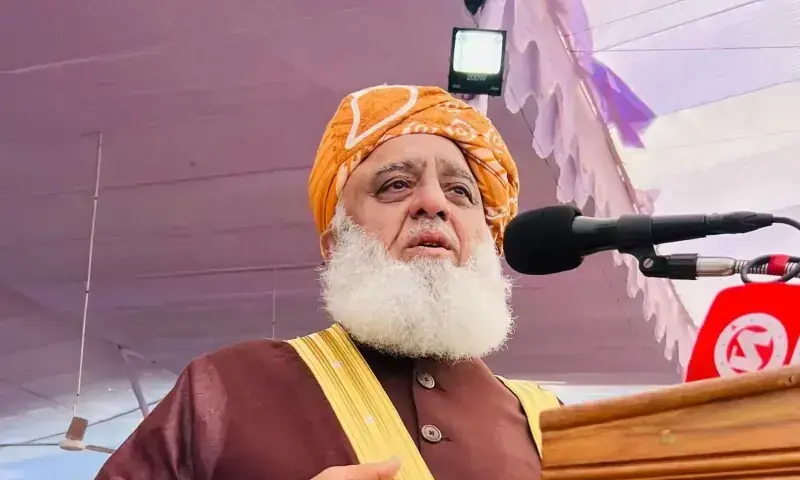
Quetta: Opposition lawmakers in the Balochistan Assembly staged a walkout on Monday, November 23, to protest against the withdrawal of security guards assigned to Jamiat Ulema e Islam Fazl (JUI F) chief Maulana Fazlur Rehman, raising concerns about threats to his safety.
Members of the JUI F and National Party (NP) left the assembly during the session but later returned after provincial ministers intervened and persuaded them to end their protest.
The session was chaired by Dr Ashok Kumar, a member of the Panel of Chairmen, in the absence of the speaker.
The protest began when JUI F lawmaker Zahid Reki raised the issue on a point of order, questioning the decision to withdraw security personnel from his party chief.
Reki said Rehman had survived two assassination attempts and argued that removing his security arrangements exposed him to further risks. He condemned the decision and warned that Prime Minister Shehbaz Sharif would be held responsible if any harm came to the JUI F leader.
Following his remarks, the lawmaker walked out of the assembly in protest.
National Party chief and former Balochistan chief minister Dr Abdul Malik Baloch also expressed concern over the withdrawal. He criticised the treatment of the JUI F leadership and announced that members of his party would join the walkout.
The opposition's protest prompted a response from provincial ministers, who urged lawmakers to return to the house. Balochistan Home Minister Ziaullah Langove said he was unaware of the circumstances surrounding the withdrawal of security guards from Rehman.
However, he acknowledged the JUI F chief's position in national politics and called for restraint in statements concerning security institutions.Langove said law enforcement and security personnel were performing their duties during a period of security challenges and should not be subjected to criticism that disregarded their work.
Provincial Minister Noor Muhammad Dummar also defended the role of security institutions, saying political leaders should avoid statements against personnel responsible for maintaining security. Neither minister provided details about which authority had ordered the withdrawal of Rehman's guards or whether the decision would be reviewed.
Following discussions with government representatives, the opposition lawmakers ended their protest and returned to the assembly. The reported withdrawal comes amid concerns raised by JUI F members about the security of their leadership and the party's relations with the authorities.
Earlier in November, the JUI F organised demonstrations in Sindh and Balochistan over what it described as a campaign against Rehman. Party representatives called for the government to ensure his safety and address political disagreements through dialogue.
The latest dispute therefore adds a security concern to the party's disagreements with the government.
However, the Balochistan Assembly proceedings did not establish why the security personnel had been withdrawn, whether a threat assessment had been conducted or which government department was responsible for the decision. Despite the interruption, the assembly continued with its legislative business and passed two bills.
Provincial Minister Bakht Muhammad Kakar presented the Balochistan Fisheries and Aquaculture Bill 2026, which had already been reviewed and approved by the relevant standing committee. The legislation seeks to regulate fisheries and aquaculture activities in the province, including matters concerning the management and development of the sector.
Earlier committee discussions had focused on fisheries regulation, conservation measures and consultation with fishing communities. Balochistan's coastal districts, including Gwadar and Lasbela, depend on fishing as a source of employment and income, making the sector relevant to the province's economy.
The assembly also approved the Balochistan Non Formal Education Bill 2026, presented by Parliamentary Secretary Wali Muhammad Noorzai. The legislation concerns educational opportunities outside the conventional schooling system, including arrangements intended to reach children who are not enrolled in schools.
A standing committee had reviewed the bill on November 18 as part of the legislative process. The provincial government has previously identified out of school children as an area requiring intervention through education programmes.
However, the details of implementing the legislation, including funding and administrative arrangements, were not announced during Monday's proceedings. The assembly was subsequently adjourned until 3 pm on December 8.
Although the opposition lawmakers returned following ministerial intervention, no decision was announced on restoring the security arrangements for the JUI F chief.
The matter remains unresolved pending clarification from the authorities responsible for assessing and providing his security.