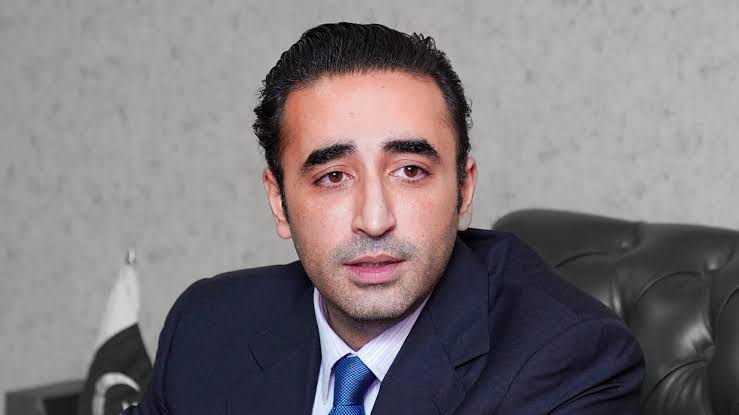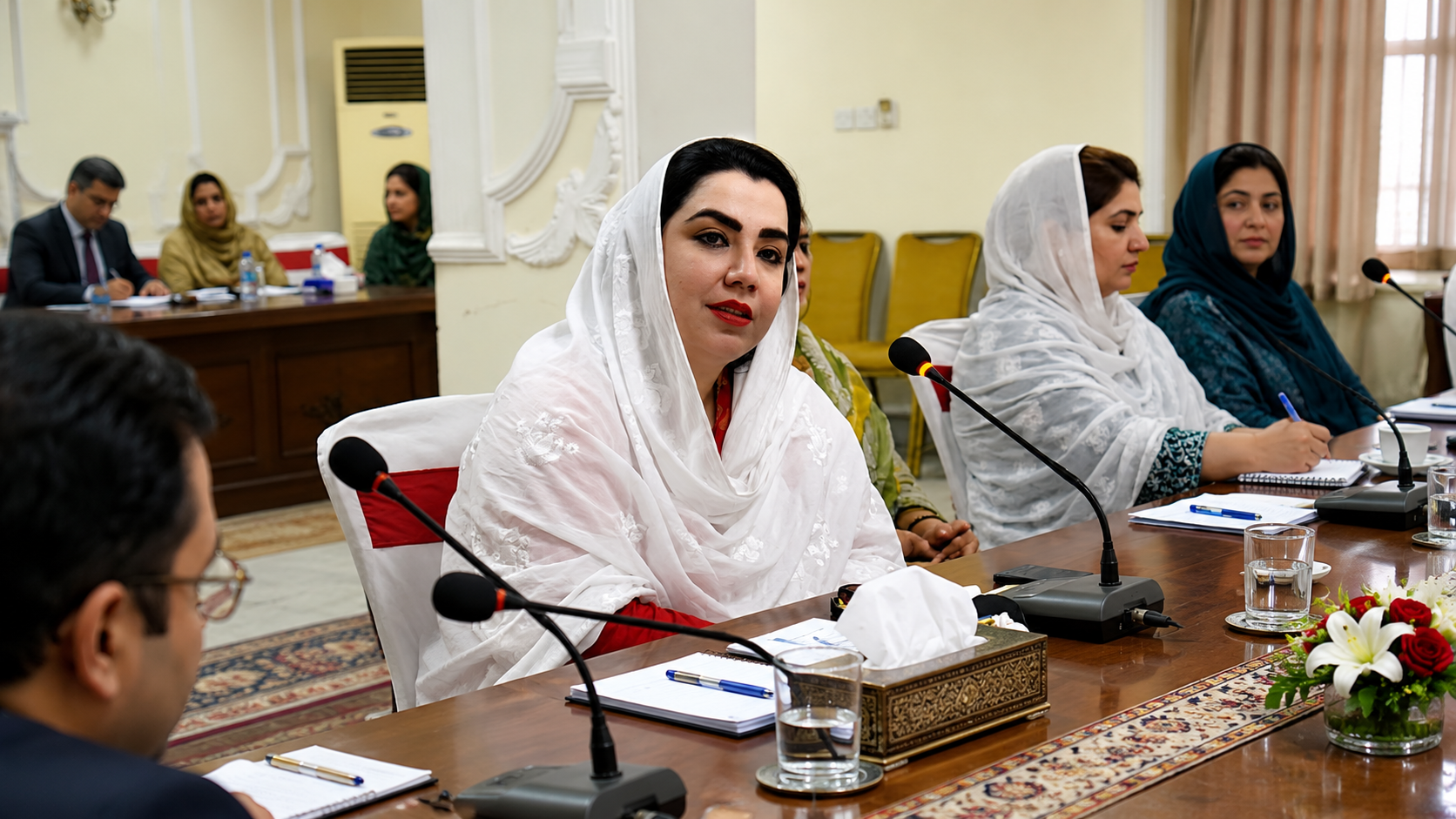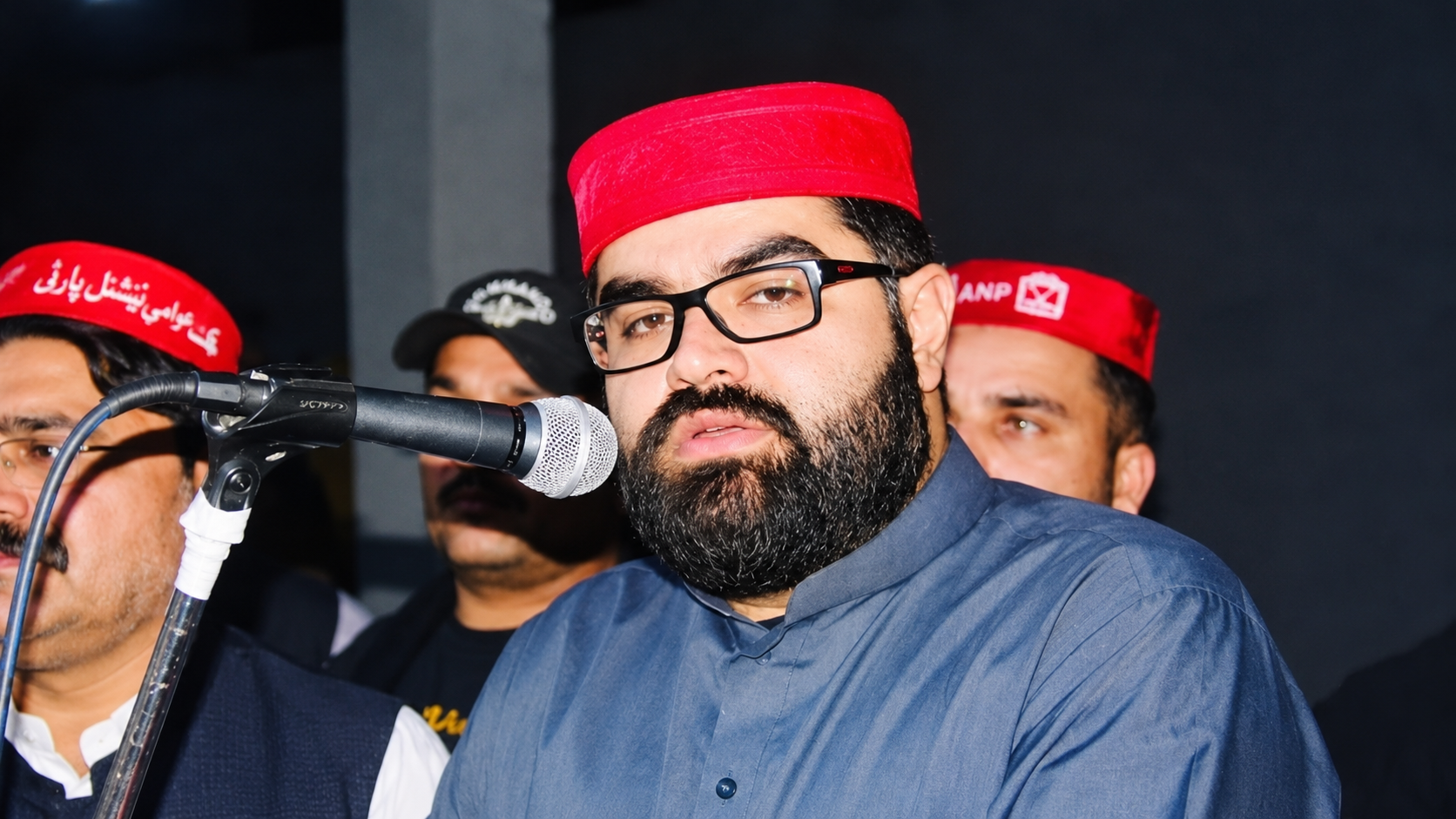
Peshawar: Awami National Party (ANP) Central President Senator Aimal Wali Khan has alleged that attempts to impose governor's rule in Khyber Pakhtunkhwa (KP) are aimed at gaining control over the province's mineral resources and facilitating its division into two administrative units.
In a statement addressing the province's political and security situation, Khan claimed that deteriorating law and order was being used as a justification for measures that could weaken provincial autonomy.
He said the ANP would oppose any attempt to transfer control over KP's mineral resources without the consent of its people and elected representatives. According to Khan, decisions concerning the extraction, management and distribution of mineral wealth must remain with the provincial government, which is accountable to the electorate.
His remarks come amid a debate over the creation of additional provinces in Pakistan, with political parties expressing differing views on administrative restructuring and the constitutional process required to implement it.
ANP questions constitutional basis for referendum
Khan also challenged proposals to hold a referendum on the creation of new provinces, questioning whether such an exercise could lawfully determine changes to provincial boundaries. He asked which constitutional provision would authorise the proposed referendum and raised concerns about whether bypassing constitutional requirements could attract proceedings under Article 6, which addresses high treason.
Under Article 48(6) of Pakistan's Constitution, a referendum on a matter of national importance requires approval by a joint sitting of Parliament. However, the creation of a province involving changes to existing provincial boundaries would also require a constitutional amendment. Article 239(4) requires approval by at least two thirds of the total membership of the assembly of the province concerned.
A referendum would therefore not, by itself, be sufficient to alter provincial boundaries. Khan's reference to Article 6 reflects the ANP's objection to any attempt to bypass constitutional procedures. Whether a particular action would meet the legal threshold for proceedings under that article would require a separate legal determination.
Party plans consultations with political stakeholders
The ANP president announced that the party would convene a meeting of its think tank to assess developments affecting the province.
Following those discussions, the party intends to invite representatives of political parties, movements and other stakeholders to examine the situation and formulate a joint response. Khan said the challenges facing KP, including security concerns, resource management and questions surrounding provincial authority, could not be resolved by one political party.
He called for a common minimum agenda that would allow political groups to coordinate their positions despite differences on other issues.
Debate over provincial autonomy and resources
The ANP's concerns come as political leaders across Pakistan discuss whether additional provinces could improve governance and public service delivery. Supporters of administrative restructuring argue that smaller provinces could make government institutions more accessible and improve the distribution of resources.
Opponents have raised concerns about provincial identity, political representation and the possibility of weakening existing constitutional arrangements. In KP, the debate also involves control over mineral resources and the relationship between provincial and federal authorities.
Article 172(3) of the Constitution provides for joint and equal ownership of mineral oil and natural gas within a province by the federal government and the province concerned. Other mineral resources are governed by the applicable constitutional and legal framework.
Governor's rule, meanwhile, is governed by Article 234, which provides for constitutional intervention when a provincial government cannot be carried on in accordance with the Constitution, subject to prescribed procedures and parliamentary oversight.
The ANP has not presented evidence establishing that governor's rule is being pursued specifically to obtain mineral resources or divide KP. Its assertions remain political allegations.
No formal decision to impose governor's rule or divide the province was identified in Khan's statement.The party's planned consultations are expected to determine whether it will pursue a coordinated political response with other stakeholders over provincial autonomy, mineral resources and proposed administrative changes.