
Dubai: The UAE Ministry of Defence announced that its air force responded to an incoming unmanned aerial vehicle (UAV) detected over offshore territorial waters. According to an official statement released via X, Emirati radar networks picked up the UAV as it crossed into national maritime boundaries from the direction of Iran, prompting immediate defensive action to neutralise the threat. Defence officials reassured the public that national surveillance networks operate continuously across the country's airspace and that the armed forces remain at peak readiness to defend sovereign territory.
The Emirati interception occurred shortly after Tehran's military forces claimed to have launched a swarm of Shahed drones aimed at Al Minhad Air Base, where US military personnel and assets are stationed. Iranian state media reported that the attack specifically targeted locations hosting American troops and helicopters. The IRGC declared the operation was executed as direct revenge for US air strikes conducted 24 hours earlier against Iranian installations on Larak Island.
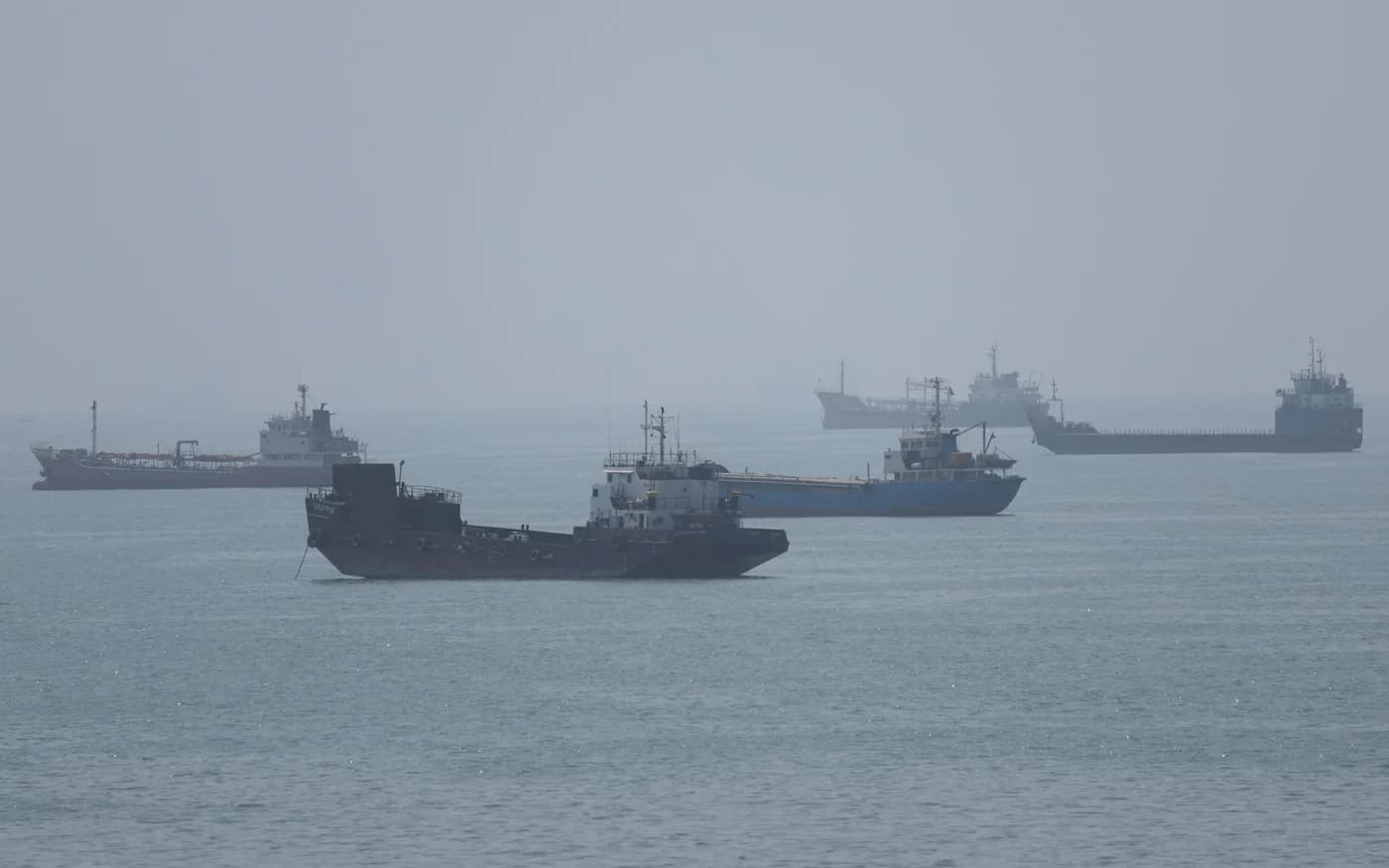
US military forces conducted targeted air strikes against two alleged Iranian launcher positions on Larak Island in the Strait of Hormuz, marking the first direct US strikes on Iranian soil in over a month. US Central Command stated that the targeted launchers were preparing to deploy sea mines into vital international shipping corridors, posing an imminent threat to commercial transit. In response, the IRGC reported multiple casualties among its personnel and local civilians, promising swift military retaliation across the region. Tehran subsequently launched drone and missile attacks against US targets in Jordan and the Emirates, leading to the interception by the UAE Air Force over offshore waters.
Emirati defense authorities reaffirmed that air defense systems continue to monitor and safeguard national airspace around the clock. The Ministry of Defence reiterated that the UAE's armed forces stand fully prepared to handle any emerging threats and protect national stability. This confrontation highlights growing volatility along critical maritime corridors, raising international concerns over commercial shipping safety and troop security across the wider Gulf region.