

Trump foresees Iran war to end right after US midterm elections
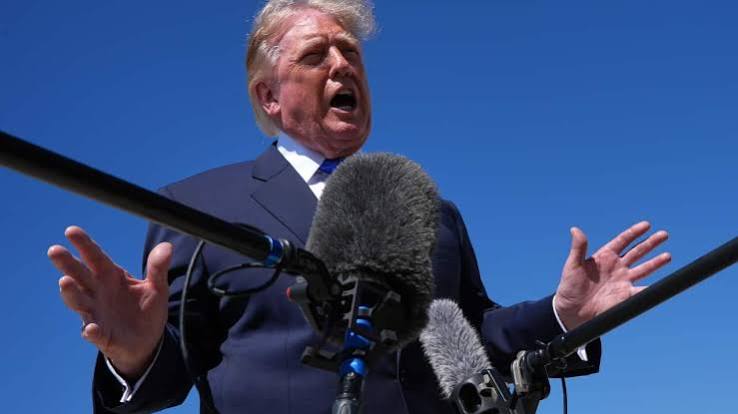
Islamabad: President Donald Trump predicted that the war with Iran will end "immediately after" the US midterm elections in November because Tehran was trying to influence the vote but would not be able to hold out any longer in the face of US economic pressure.
"I think war is going to end immediately after the election because they can't hold out any longer. They're desperate to try and affect the election," he told reporters before departing for the Republican National Convention in Dallas on Wednesday.
Trump's war with Iran has recently entered its seventh month with no immediate end in sight.
On Wednesday, Iran said it attacked 10 ships near the Strait of Hormuz after the US sank five Iranian oil tankers.
The renewed fighting sent oil prices surging, with benchmark Brent crude futures breaching $100 a barrel for the first time since July.
Trump's approval ratings recently sank to a record low due to frustration from voters over the Iran war and deepening cost-of-living crisis.
Midterm elections, due to be held on Nov 3 this year, are typically a referendum on the occupant of the White House.
Oil prices would also come down right after the election, Trump said on Wednesday, once the war is over, while acknowledging diplomatic talks are still a possibility but not preferred.
"Yes, a negotiation could possibly happen, but it's not something we're looking at," Trump said.
Iran threatens maritime sanctions on vessels entering new zone
Earlier, Iran said that enemy and commercial vessels entering a newly designated maritime zone without Tehran’s authorisation would face sanctions, according to Iranian media reports.
IRGC spokesman Hossein Mohibi said any enemy vessel or commercial ship entering the area without coordination with Iranian authorities would be placed on a sanctions list, the semi-official Fars News Agency reported.
He said the measure would mean Iran would halt the provision of maritime, insurance and support services to those vessels, and that they would remain barred from receiving the services even if they later transit the Strait of Hormuz.
In separate remarks by Iran’s Student News Network, Mohibi said that although the fighting with the world’s “greatest apparent powers” had ended at certain stages, “the nature of the war continues”.
He claimed that the war had, for the first time, inflicted “strategic damage” directly on the US and affected its security and economic calculations.
Mohibi said if the enemy wanted the situation to end, it must completely halt the war and refrain from renewed threats.
He also listed several other demands, including the withdrawal of the Israeli army from Lebanon, an end to the blockade of Yemen, the release of $24 billion in frozen Iranian assets, and an end to interference in Iran’s nuclear and missile capabilities.
“We have reached a point where if the enemy hits two or three of our targets, we respond firmly against 20 targets,” Mohibi said.
Iran's Revolutionary Guards earlier said that the maritime restricted area would extend from Chabahar in Iran into parts of the Gulf of Oman and the Arabian Sea, with its precise coordinates to be announced.
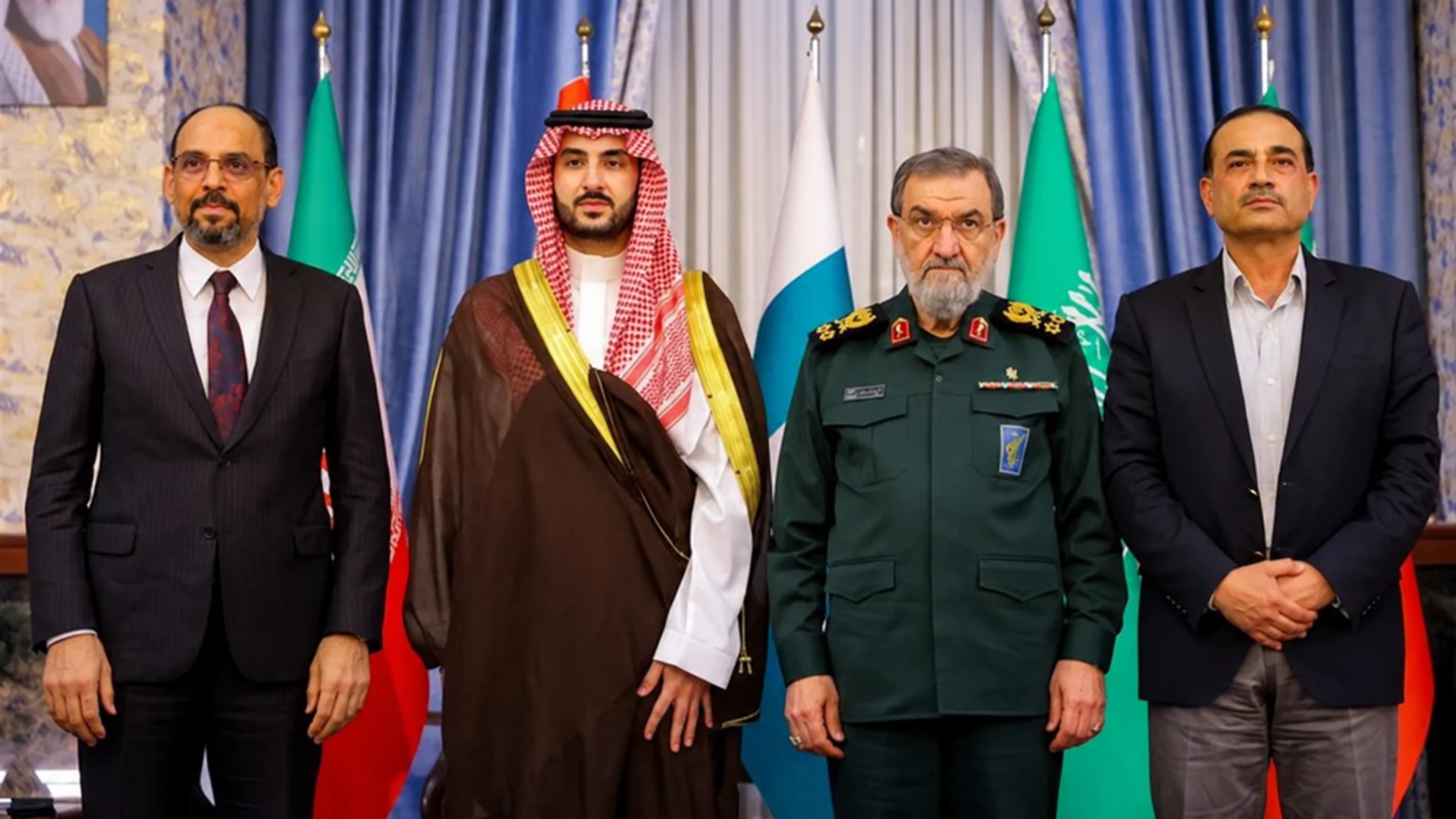
The announcement followed comments on Sunday by Mohsen Rezaei, secretary of Iran's Supreme National Security Council, who was quoted by state media as saying Iran would establish a restricted zone outside the Strait of Hormuz in the coming days.
It also followed an incident where the IRGC said that it struck two US Navy destroyers operating in the Middle East.
US CENTCOM denied the statement, saying that "No US Navy warship has been struck; all IRGC attempted attacks failed. Meanwhile, US forces have successfully destroyed 10 Iranian tankers in just the last week."