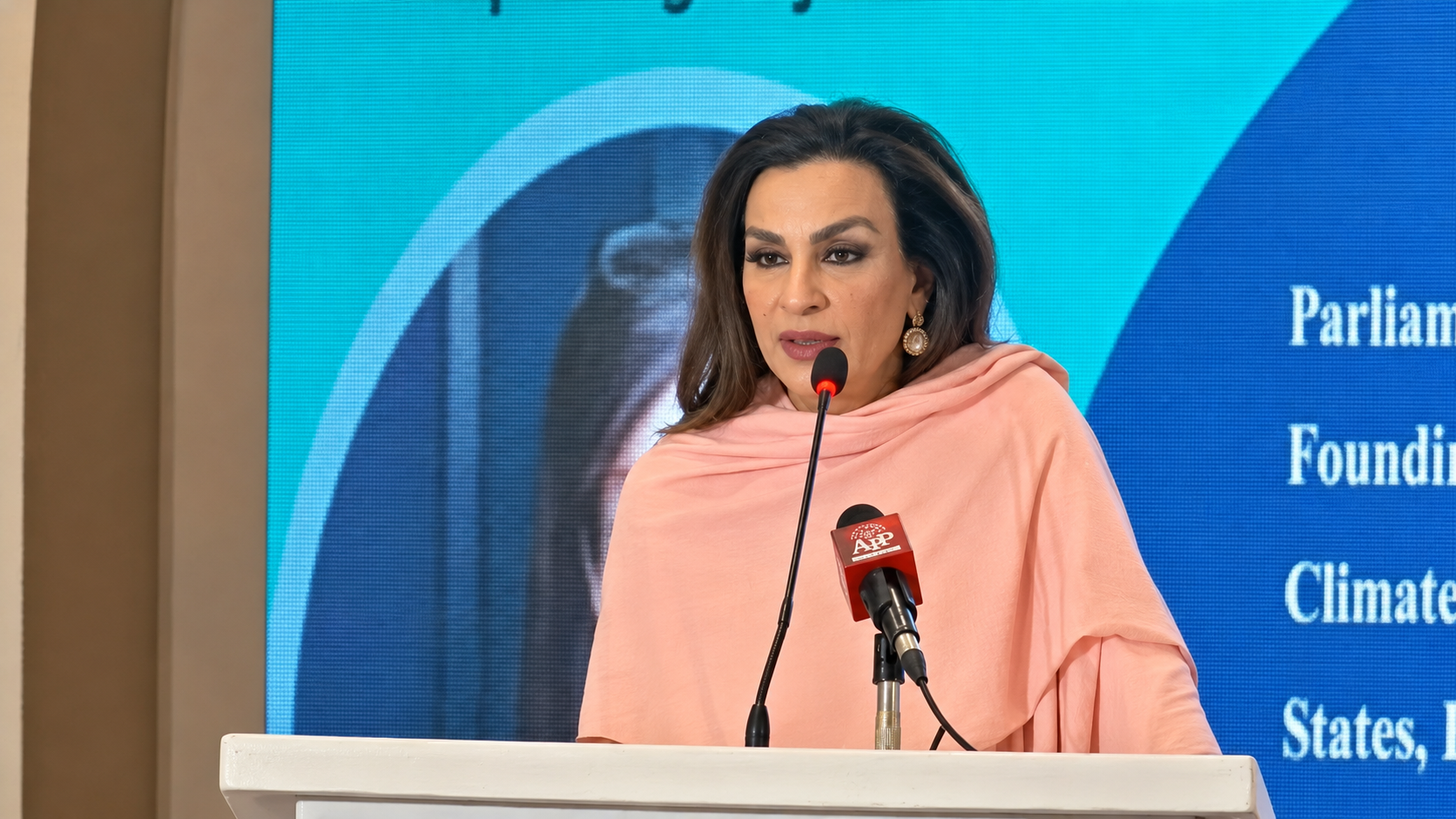
Islamabad: On November 13, Senator Sherry Rehman called on governments meeting in Antalya, Türkiye, to agree on a system that provides climate vulnerable countries with access to funding before and after disasters.
She said the 31st Conference of the Parties (COP31) should deliver financial commitments that countries can draw on, rather than another round of pledges.
In a statement, Rehman warned that repeated disasters are forcing countries such as Pakistan to redirect funds from development to recovery.
She said Türkiye’s presidency of the conference offered an opportunity to narrow differences between developed and developing countries on how climate action should be financed.
Pakistan makes the case for grants
Rehman’s remarks followed Prime Minister Shehbaz Sharif’s call at the summit for grant based financing and support to help vulnerable countries prepare for future climate shocks. Unlike loans, grants can fund recovery and adaptation without increasing the debt governments must repay.
Rehman cited Pakistan’s 2022 floods, which affected 33 million people. A post disaster assessment estimated physical damage at more than 14.9 billion US dollars and economic losses at about USD 5.2 billion. It estimated that recovery and reconstruction would require at least USD 16.3 billion.
She also questioned why governments continued to subsidise fossil fuels while citing a lack of funds for climate adaptation and recovery. She warned that rising temperatures were putting livelihoods, food security, and water supplies at greater risk in countries such as Pakistan.
What the existing finance pledge leaves open
At COP29 in 2024, countries agreed to increase annual climate finance for developing countries from 100 billion to at least USD 300 billion by 2035, with developed countries taking the lead.
The target sets an overall amount but does not guarantee individual countries a share or specify how much they will receive in grants.
For Pakistan, the issue in Antalya is therefore not only how much money governments promise but also how quickly vulnerable countries can access it and on what terms.