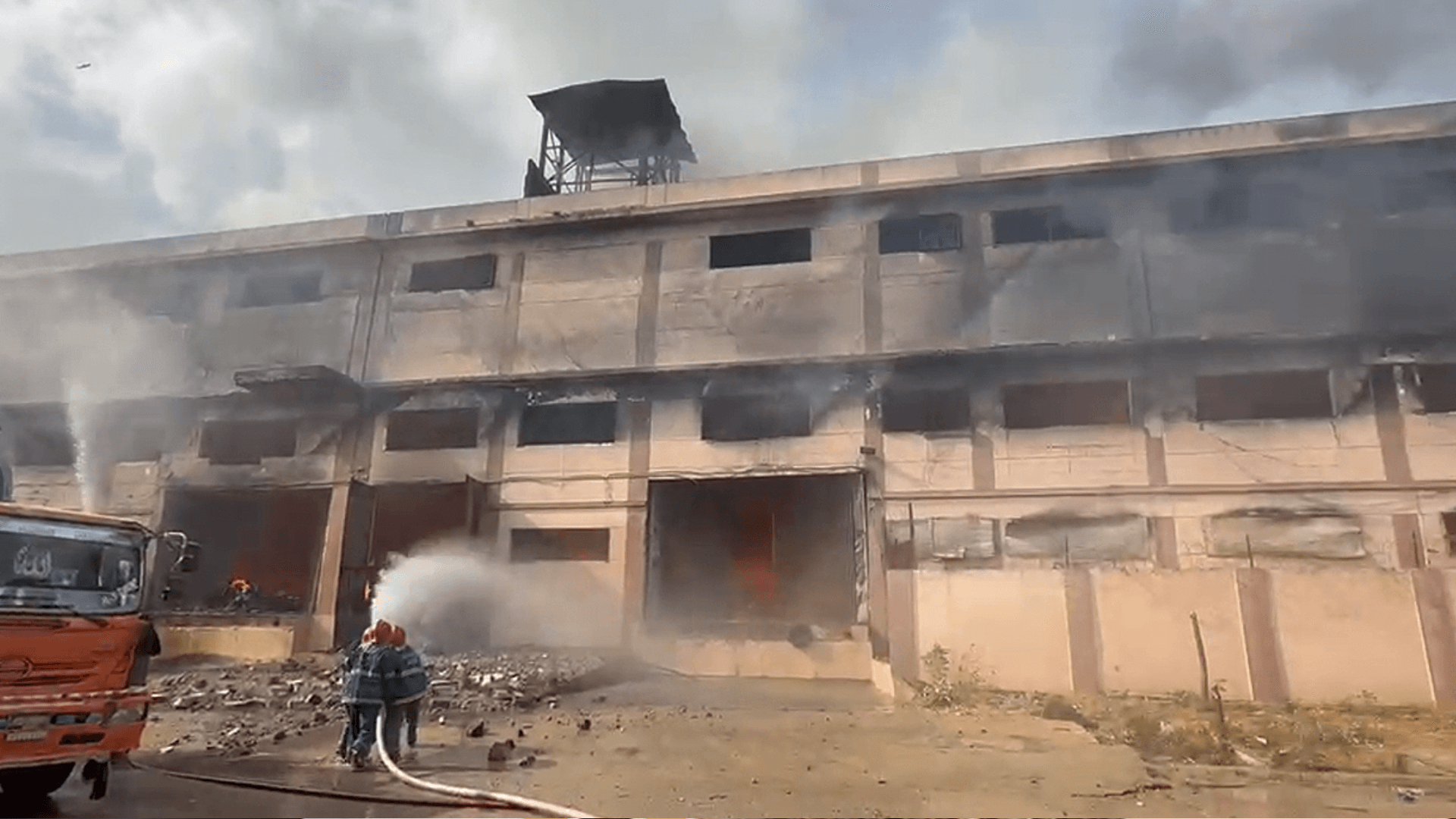

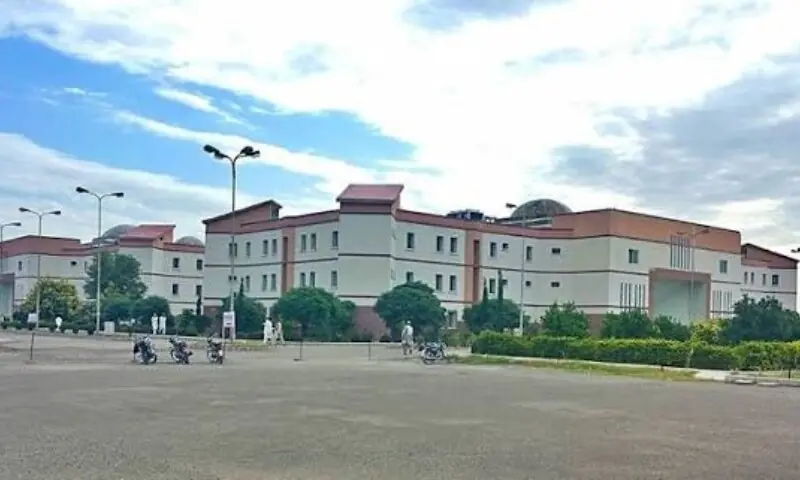
Bannu: A fire broke out in the urology ward of the Khalifa Gul Nawaz Teaching Hospital also known as the Medical Teaching Institution (MTI) Bannu at approximately 10:00 am on Monday. Initial reports suggest that the blaze was triggered by an electrical spark within the facility. Rescue 1122 personnel reached the hospital within roughly five minutes of receiving the emergency call, working alongside local staff to contain the situation.
Hospital staff and emergency responders immediately initiated evacuation procedures, safely moving all patients out of the affected ward to a secure location. The fire was brought fully under control within approximately 10 minutes of arrival, preventing the flames from spreading further and ensuring that no injuries or loss of life occurred.
Hospital spokesperson Mohammad Noman attributed the successful outcome to swift coordination and recent safety drills. Following a tragic hospital fire in Islamabad less than two weeks prior, MTI Bannu personnel had undergone specialised training in firefighting, emergency response, and rapid evacuation protocols. Noman noted that putting this training into practical application played a key role in averting what could have been a major disaster.
The incident occurs amidst heightened national concern regarding healthcare infrastructure safety. Less than two weeks earlier, a devastating fire in the neonatal nursery at the Pakistan Institute of Medical Sciences (PIMS) in Islamabad resulted in the deaths of 14 infants. An interim inquiry into the PIMS tragedy revealed severe operational lapses, including a lack of practiced evacuation protocols and detailed emergency procedures, prompting high level suspensions, criminal proceedings, and nationwide calls for strict fire safety enforcement.
The Bannu blaze is the second similar incident reported within days, following an electrical fire in an operating theatre at the Sheikh Zayed Medical College Hospital in Rahim Yar Khan, where quick thinking surgical staff successfully moved a patient to safety mid procedure. The contrast between these events highlights the critical impact of mandatory emergency training and routine infrastructure maintenance across the nation's medical facilities.